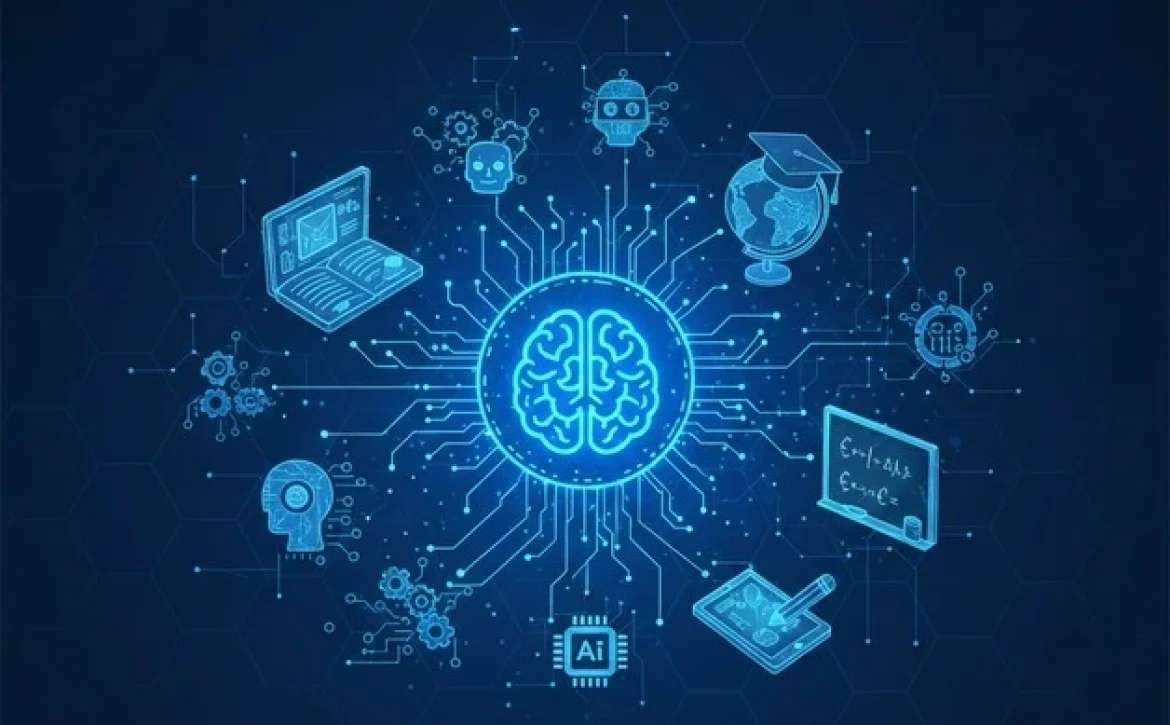
AI used in education means the application of artificial intelligence systems to improve learning, assessment, and educational management. It enhances how institutions analyze data, tailor content, and support diverse learners. How is this technology redefining modern education frameworks in 2026?
Key Takeaways
- AI enables adaptive, data-driven, and inclusive learning.
- Automation reduces teacher workload and improves accuracy.
- Accessibility tools expand opportunities for diverse learners.
- Ethical and secure implementation is crucial for sustainability.
- Institutions must align AI use with human-centered learning principles.
How is AI used in education for personalized learning?
Educational AI systems create adaptive learning environments that cater to each student’s specific progress and capability.
Key functions include:
- Adaptive learning platforms: Tools such as Smart Sparrow or Century Tech modify lessons in real time.
- Content customization: AI analyzes progress to suggest targeted exercises.
- Learning analytics: Predicts performance trends to assist teachers in individualized support.
This approach is commonly discussed alongside related concepts such as artificial intelligence in education examples and AI in education introduction when exploring modern pedagogical innovation.
How does AI improve teaching efficiency in classrooms?
Educators use AI systems to automate routine tasks and gain actionable insights.
Examples include:
- Automated grading: Essay and quiz evaluations save time and ensure consistency.
- Smart feedback tools: Real-time feedback on assignments improves engagement.
- Scheduling assistants: Tools help manage classes and student communications.
Such systems allow teachers to focus on higher-order thinking and mentorship rather than repetitive administrative work.
What are the main applications of AI used in education management?
AI simplifies institutional operations through automation and analytics.
Core applications include:
| Function | Example | Benefit |
| Enrollment prediction | Predictive AI dashboards | Optimizes admissions planning |
| Resource allocation | Data-driven scheduling | Reduces inefficiency |
| Performance analytics | Institutional AI models | Tracks academic outcomes |
Universities and schools employ these tools to align academic goals with real-time data insights.
How is AI enhancing accessibility and inclusion in education?
AI-powered tools make learning accessible to students with disabilities and linguistic barriers.
Examples include:
- Speech recognition for hearing-impaired learners.
- AI translators for multilingual classrooms.
- Assistive chatbots guiding visually impaired students.
These technologies align with UNESCO’s digital education guidelines emphasizing inclusivity and equal access.
What challenges arise when AI is used in education?
While beneficial, AI presents issues of data privacy, equity, and dependency.
Challenges include:
- Data security: Protecting sensitive student information.
- Bias in algorithms: Ensuring fair assessments.
- Over-reliance: Risk of diminishing human judgment.
Regulatory efforts by global education bodies now stress transparency and ethical AI deployment.
How will AI used in education evolve in the next decade?
Advanced systems will unite emotional cognition and AR/VR-driven learning environments:
- Lifelong learning assistants for continuous education.
- Emotionally responsive learning platforms.
- Use of augmented and virtual reality to create immersive learning experiences.
Institutions preparing for these changes are prioritizing digital literacy and ethical data practices.
Conclusion
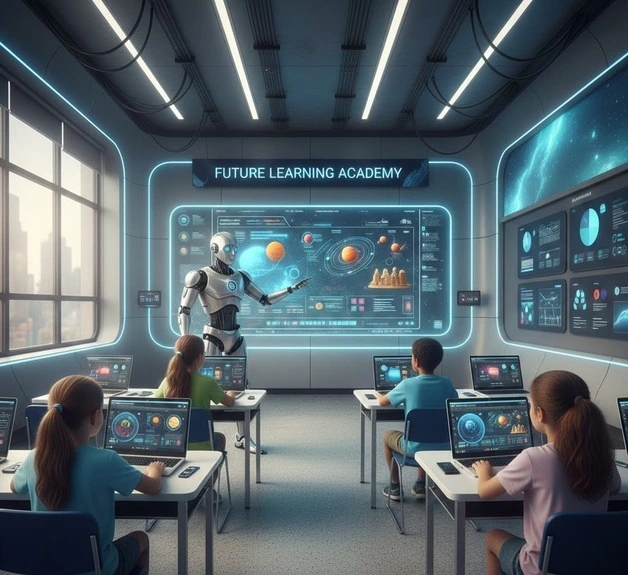
AI used in education is creating smarter, more inclusive, and data-informed academic ecosystems. As schools integrate these systems, understanding foundational concepts such as ai full form in education helps clarify their broader role in digital learning transformation.
FAQ
Which AI is better for education?
Google’s AI Tutor and IBM Watson Education are widely used for adaptive and analytical education support.
What are the 5 applications of AI?
Personalized learning, grading automation, accessibility tools, administrative analytics, and predictive performance systems.
How much AI is used in education?
By 2026, over 60% of global institutions have integrated at least one AI-based tool into their operations.
What are examples of AI in education?
Smart classrooms, adaptive tests, AI-driven feedback apps, and automated attendance systems.
What are the benefits of AI used in education?
Efficiency, personalization, improved access, and data-driven decision-making across learning environments.
Sources
- https://onlinedegrees.sandiego.edu/artificial-intelligence-education/
- https://www.unesco.org/en/digital-education/artificial-intelligence
- https://www.leewayhertz.com/ai-use-cases-in-education/
- https://bernardmarr.com/how-is-ai-used-in-education-real-world-examples-of-today-and-a-peek-into-the-future/
- https://education.illinois.edu/about/news-events/news/article/2024/10/24/ai-in-schools–pros-and-cons
- https://www.edweek.org/technology/rising-use-of-ai-in-schools-comes-with-big-downsides-for-students/2025/10
- https://www.itransition.com/ai/education
- https://www.ucanwest.ca/blog/education-careers-tips/advantages-and-disadvantages-of-ai-in-education