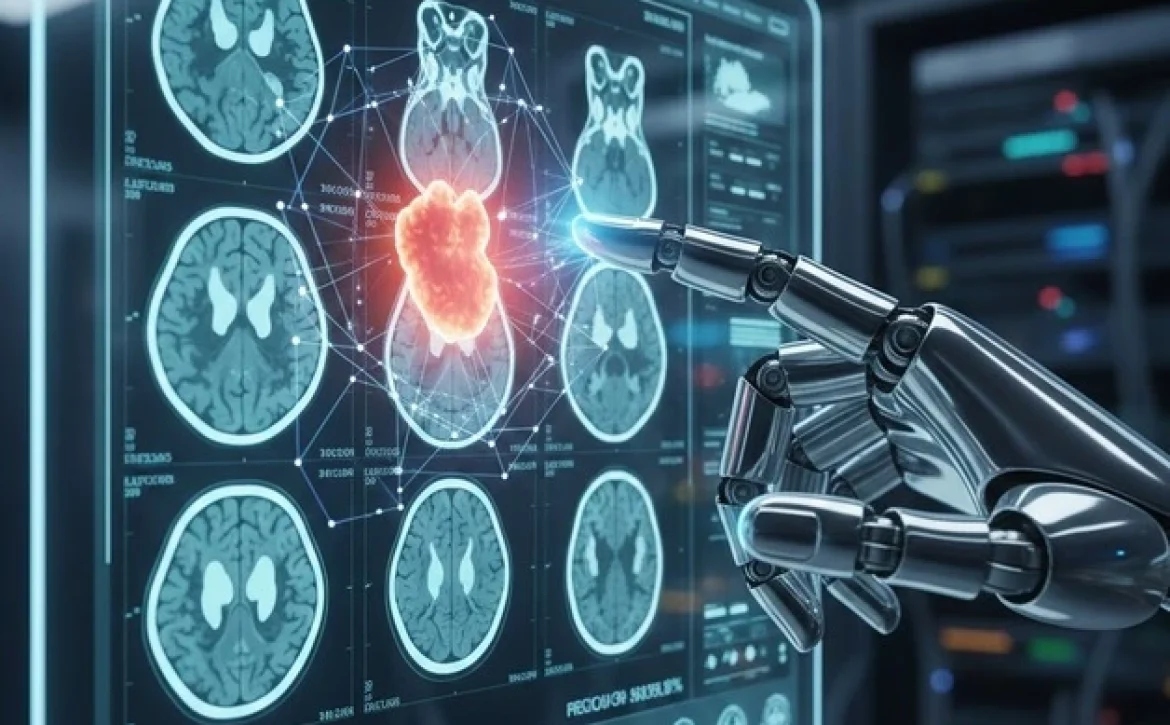
Artificial Intelligence AI in Medical Imaging Market Analysis is reshaping how hospitals, diagnostic labs, and research centers interpret scans and improve clinical outcomes. Increasing adoption of intelligent imaging tools is driving efficiency in radiology, cardiology, and oncology workflows. As investment in AI technologies rises, stakeholders must understand market dynamics, adoption trends, and regulatory considerations to make informed decisions.
Key Takeaways
- Market growth is fueled by deep learning and predictive imaging technologies.
- North America holds the top spot in market adoption, whereas Asia-Pacific grows at the quickest pace.
- Adoption barriers include data privacy, algorithmic bias, and regulatory compliance.
- Cross-industry applications, especially in pharmaceuticals, expand AI’s utility.
Market Analysis Coverage
This Artificial Intelligence AI in Medical Imaging Market Analysis provides insights into:
- AI applications across radiology, cardiology, and oncology.
- How neural networks and deep learning improve image interpretation.
- Categorization based on technology, applications, and user groups.
- Regional adoption insights for North America, Europe, and Asia-Pacific.
Example Table – Market Segmentation by Technology (2026 Estimate)
| Technology | Market Share (%) | CAGR (2023–2026) |
| Deep Learning | 40 | 28% |
| Machine Learning | 30 | 25% |
| Natural Language AI | 15 | 22% |
| Others | 15 | 20% |
How AI is Driving Growth in Medical Imaging
Enhancing patient care and hospital workflow efficiency, AI does so by:
- Automated anomaly detection: AI flags abnormalities in X-rays, CT scans, and MRIs.
- Predictive imaging: Early disease detection using AI-powered algorithms.
- Workflow optimization: Reduces radiologist workload, increasing throughput.
- EHR integration: AI-assisted imaging feeds insights directly into electronic health records for faster clinical decisions.
Case Insight: Hospitals leveraging AI-assisted imaging report up to 30% faster oncology diagnosis, demonstrating measurable ROI.
Current Market Size and Forecast
The Artificial Intelligence AI in Medical Imaging Market Analysis continues to expand, driven by technology evolution, regulatory approvals, and telemedicine integration:
- Global market size (2025): $2.3 billion
- Expected CAGR (2025–2030): 26–28%
- Growth drivers: Cloud-based AI solutions, advanced predictive imaging, and rising demand for faster diagnostics
Regional Market Leadership
North America: Largest market share due to high healthcare investment and early AI adoption.
Europe: Growing demand in cardiology and oncology imaging, supported by government and private research initiatives.
Asia-Pacific: Fastest market growth, led by Japan, South Korea, and China, with government incentives and adoption in emerging economies.
Example: Japan and South Korea are heavily investing in AI imaging solutions for early cancer detection.
Challenges Affecting AI Adoption
Despite strong growth, adoption faces several barriers:
- Issues surrounding data security and confidentiality in medical imaging.
- Algorithmic bias potentially affecting diagnostic accuracy.
- High implementation costs, especially in mid-size hospitals.
- Regulatory hurdles across regions.
Insight: Collaboration with regulatory bodies, adherence to standardized datasets, and clear validation protocols can mitigate adoption risks.
AI’s Impact on the Pharmaceutical Industry
Artificial Intelligence AI in Medical Imaging Market Analysis is also transforming pharmaceuticals:
- Drug development: Accelerates trial assessments using imaging biomarkers.
- Personalized medicine: Predicts patient response for tailored treatments.
- Research: Enhances tracking of therapeutic efficacy and clinical outcomes.
This cross-industry synergy broadens AI’s influence beyond diagnostics to drug development and personalized healthcare.
Conclusion
The AI in medical imaging analysis is positioned for rapid growth starting in 2026 and continuing forward. Key drivers include deep learning, predictive imaging, and regional adoption trends. Decision-makers, investors, and healthcare founders should focus on AI technologies that enhance workflow efficiency, improve diagnostic accuracy, and integrate seamlessly with clinical systems. Additionally, AI’s intersection with pharmaceuticals represents a lucrative opportunity for cross-industry impact.
FAQ
What is AI in medical imaging?
AI analyzes medical scans, identifies anomalies, and supports clinical decision-making.
What drives market growth for AI imaging solutions?
Adoption of deep learning, cloud integration, and demand for faster diagnostics drive expansion.
Which regions are leading AI in medical imaging?
Market leadership remains with North America, Europe is next, and Asia-Pacific is seeing accelerated growth.
What challenges affect AI adoption?
Data security, regulatory compliance, algorithmic bias, and high implementation costs are key barriers.
How does AI benefit the pharmaceutical industry?
AI accelerates clinical trials, supports personalized medicine, and improves research efficacy.
Sources
https://www.marketsandmarkets.com/Market-Reports/ai-in-medical-imaging-market-21977207.html
https://www.grandviewresearch.com/industry-analysis/artificial-intelligence-medical-imaging-market
https://www.gminsights.com/industry-analysis/artificial-intelligence-in-medical-imaging-market
https://www.databridgemarketresearch.com/reports/global-artificial-intelligence-in-medical-imaging-market?srsltid=AfmBOop03RW63k7QxtZT_7JJHfD71wcnKxzTQPbHVgktCm5zVoZFjUeS
https://www.rootsanalysis.com/reports/deep-learning-market.html
https://dimensionmarketresearch.com/report/artificial-intelligence-in-medical-imaging-market