RCEE+Networks LLC
  • Home
  • About
  • Services
    • IMACAM™ Tech Support
  • Products
    • RetinaWiseAI™
  • Contact
+1-844-2-THEOWL
info@rceenetworks.com
logotype
  • Home
  • About
  • Services
    • IMACAM™ Tech Support
  • Products
    • RetinaWiseAI™
  • Contact
logotype
  • Home
  • About
  • Services
    • IMACAM™ Tech Support
  • Products
    • RetinaWiseAI™
  • Contact
Education
Home Archive by Category "Education"

Category: Education

EducationHealthLearning
Umesh Kumar KhiriNovember 14, 2025 0 Comments
Share article:TwitterFacebookLinkedin
27 Views
11 Likes

RETINAL IMAGE ANALYSIS USING AI TECHNOLOGY AT RCEENETWORKS

Retinal image analysis using AI technology

Image analysis for retinal images has been an active subject of research over the last couple of decades. With the popularity of mydriatic and non-mydriatic digital imaging cameras, color fundus photographs have become essential part of standard retinal exam. Advances in image analysis, pattern recognition, and machine learning have opened up a great opportunity to enhance the clinical care available to patients suffering for retinal diseases such as diabetic retinopathy, age related macular degeneration, hypertensive retinopathy, and glaucoma.

Rceenetworks logo

RCEENetworks’ Optometry & Ophthalmology software boosts accuracy, efficiency, and patient care for eye care professionals.

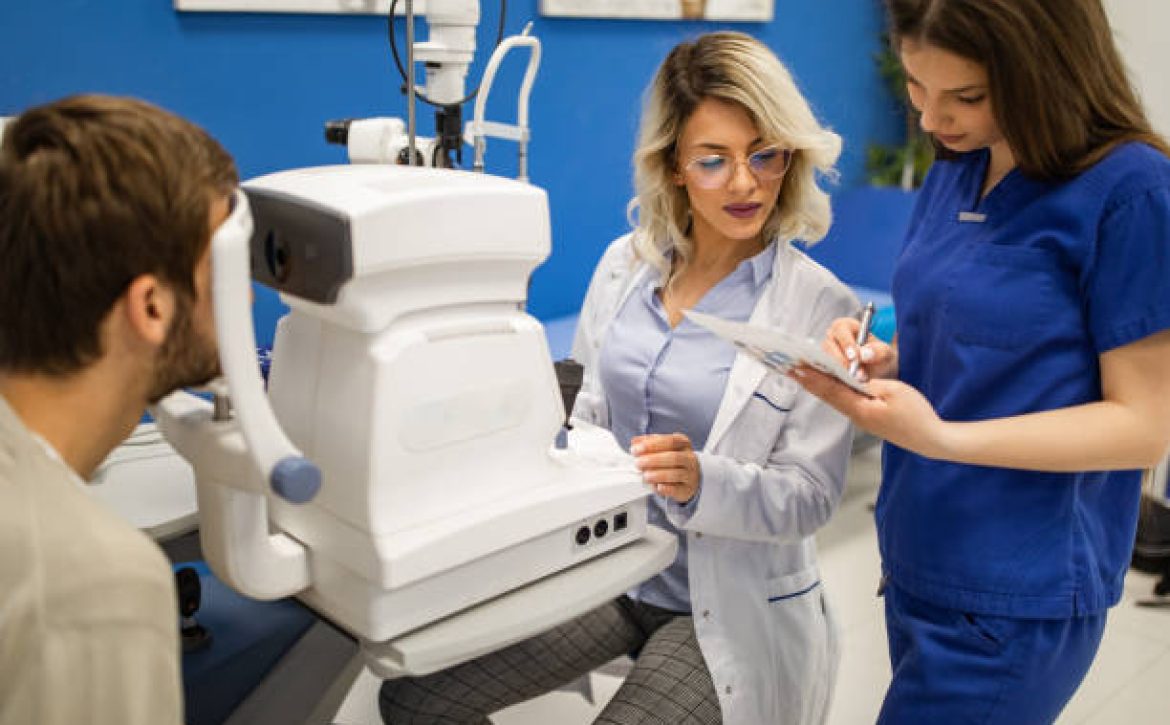
Eye care professional showing a patient a report beside an Optos imaging machine.

RCEENETWORKSTM is developing exciting new technologies to detect various lesions related to retinal diseases such as diabetic retinopathy (DR), age related macular degeneration (ARMD), Glaucoma, Edema – to name a few. RCEENETWORKSTM engineers have deep understanding of image processing theory and have leveraged this experience to create intelligent AI models. In addition, they combine the AI image analysis output with patient’s medical data to increase diagnostic accuracy to the highest level. Watch this space for the release of our next generation imaging analysis system – RetinaWiseAI .
Retinal image analysis using AI technology
READ MORE
HealthEducation
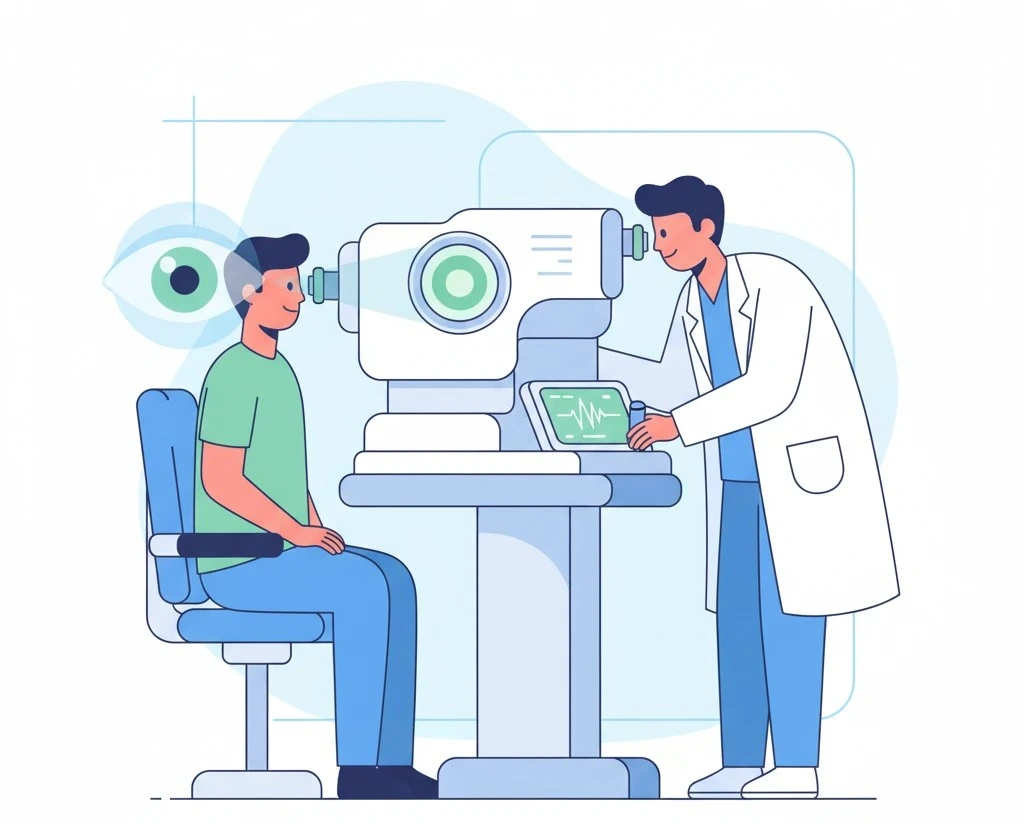
Optometrist checking patient eyesight
Umesh Kumar KhiriNovember 4, 2025 0 Comments
Share article:TwitterFacebookLinkedin
31 Views
10 Likes

Making Data Work for You: Advancing Your Ophthalmic Workflow with RetinaWiseAI

In today’s data-driven world, healthcare professionals are increasingly turning to smart technology to streamline their practices, enhance accuracy, and improve patient outcomes. Ophthalmology is no exception. With the rise of artificial intelligence (AI) and machine learning, innovative tools like RetinaWiseAI are transforming the way eye care professionals diagnose, treat, and manage retinal diseases.

Table of Contents

  • The Growing Challenge in Ophthalmology
  • Ophthalmic Workflows
  • Key Features:
  • How RetinaWiseAI Advances Your Workflow
  • Real-World Impact
  • Conclusion: The Future Is Clearer with RetinaWiseAI

The Growing Challenge in Ophthalmology

Age-related macular degeneration (AMD), diabetic retinopathy, and other retinal diseases are becoming more prevalent, particularly in aging populations. Early detection is critical, yet traditional diagnostic workflows often rely on time-consuming manual analysis and subjective interpretations.

Ophthalmologists are inundated with patient data — fundus images, OCT scans, medical histories — all of which require fast, precise interpretation. This pressure has increased the demand for smart, scalable solutions that can handle large volumes of complex data while reducing clinician workload.

Ophthalmic Workflows

RetinaWise AI is an AI-powered platform designed specifically for ophthalmic professionals. By leveraging deep learning algorithms trained on thousands of retinal images, RetinaWiseAI delivers rapid and accurate insights directly to clinicians, helping them detect early signs of disease with unprecedented speed and confidence.

Key Features:

Automated Image Analysis

Instantly analyzes OCT and fundus images for abnormalities such as drusen, fluid buildup, or retinal thinning.
Risk Stratification
Flags patients based on severity and urgency, helping clinicians prioritize care.
Workflow Integration
Seamlessly fits into existing EMR and imaging systems, reducing the need for additional manual steps.
Decision Support
Offers second-opinion AI insights to support clinical judgment, not replace it.

How RetinaWiseAI Advances Your Workflow

Speeds Up Diagnosis
AI-based triage enables ophthalmologists to focus on critical cases first, reducing diagnostic delays.
Reduces Errors
Standardized image interpretation helps minimize variability between clinicians, leading to more consistent care.
Optimizes Resources
Clinics can handle a higher volume of patients without overburdening their staff, improving overall efficiency.
Supports Teleophthalmology
RetinaWiseAI makes remote diagnostics more reliable, helping rural and underserved populations access expert care.

Real-World Impact

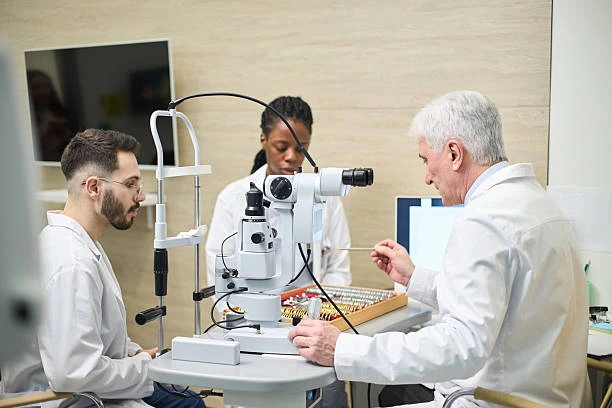
Ophthalmologists conducting an eye examination using slit-lamp equipment.

Clinics using RetinaWise AI have reported:

  • 30–50% reduction in diagnostic time
  • Improved early detection rates for AMD and diabetic retinopathy
  • Higher patient satisfaction through faster consultations
  • Much better Ophthalmic Workflows

Conclusion: The Future Is Clearer with RetinaWiseAI

RetinaWise AI is more than just a diagnostic tool — it’s a powerful ally in the fight against vision loss. By putting data to work intelligently, it empowers eye care providers to make faster, more accurate decisions and ultimately offer better outcomes for their patients.

If you’re looking to modernize your ophthalmic workflow and stay ahead of the curve, RetinaWise AI designed by RCEENetworks is the solution designed with your needs in mind.

READ MORE
EducationLearning
Umesh Kumar KhiriNovember 3, 2025 0 Comments
Share article:TwitterFacebookLinkedin
31 Views
9 Likes

AI in Ophthalmology: How Intelligent Technology is Reshaping the Future of Eye Care

The integration of artificial intelligence (AI) into ophthalmology is not just a technological advancement-it’s a paradigm shift. By merging clinical expertise with machine learning, AI is redefining diagnostics, surgical precision, patient engagement, and practice efficiency. For ophthalmologists, this evolution promises to alleviate administrative burdens, enhance decision-making, and prioritize patient-centered care.
Below, we explore how AI is transforming every facet of eye care, from early disease detection to ethical adoption.

Streamlining Clinical Workflows: Liberating Time for Patient Care

Administrative tasks consume 30-40% of an ophthalmologist’s day. AI is tackling these inefficiencies head-on, automating repetitive processes and integrating seamlessly with EHR systems.

Automating Documentation

Ambient Voice Assistants: One of the trending AI technologies today in Ophthalmology is Speech-to-Text transcription that listens to doctor-patient communications and transcribes notes in real-time, drafts structured notes, and auto-populates EHR fields. Clinicians save 7-10 minutes per visit, reclaiming hours weekly for meaningful patient interactions.
Smart Templates: AI-generated templates adapt to subspecialties. For instance, a retina specialist’s template auto-fills fields for intravitreal injections, while a pediatric ophthalmologist’s template prioritizes amblyopia screening metrics.

Prior Authorization & Revenue Cycle Management

  • AI-Powered Appeals: Billing systems with built-in intelligence analyze denied claims, cross-reference clinical data (e.g., visual field tests, OCT scans), and autogenerate appeals with insurer-specific rationale. This saves the staff hours, which usually get spent arguing with payers, trying to resolve a claim issue; Many of the time just one claim issue requires them to do a lot of to and fro-ing, usually because the staff is less aware of the clinical side of errors and it takes them very long to figure it out, in the end requiring the doctor to take some time off their busy schedule and intervene in the matter to have it resolved. However, AI can take care of these things in a matter of minutes, as it has been trained on all the aspects necessary and with seamless interoperability, it can verify all the necessary aspects quickly and provide fast resolutions.
  • Real-Time Coding Guardrails: Imagine finishing a long clinic day, only to face denied claims because of a mismatched billing code. AI steps in as your silent partner, scanning every chart in real time. It catches errors-like pairing a retinal imaging code (CPT 92134) with a glaucoma diagnosis (ICD-10 H40.9)-before claims even leave your desk. No more headaches from rejected claims or wasted hours unraveling billing tangles. With fewer denials and faster reimbursements, you’re free to focus on what matters: your patients and your craft.

Impact on Practice Economics

Global finance and economic growth concept with coins and globe

A 2024 MGMA report highlighted that clinics using AI-driven administrative tools recovered $300,000 annually in lost revenue and reduced staffing costs by 20%.

Personalized Care: From One-Size-Fits-All to Precision Medicine

AI’s ability to synthesize historical data, genetic profiles, and lifestyle factors is enabling hyper-personalized treatment plans.

Predictive Analytics in Chronic Disease

  • Glaucoma Management: AI is revolutionizing glaucoma management by analyzing intraocular pressure trends, medication adherence patterns, and OCT imaging data to predict which patients are at highest risk of progression. These smart algorithms can detect subtle changes in retinal nerve fiber layer thickness and identify nonadherent patients up to 18 months before traditional methods, enabling earlier interventions. Clinics using these predictive tools report better outcomes, with one study showing a 40% reduction in disease progression through timely treatment adjustments and targeted patient monitoring.
  • Post-Operative Risks: Algorithms assess variables like corneal thickness, diabetes status, and surgical techniques to predict cystoid macular edema (CME) risk postcataract surgery. Proactive NSAID regimens reduced CME incidence by 40% in a 2024 trial.

Patient Engagement Reimagined

  • AI Chatbots: AI-powered chatbots are transforming patient communication by instantly answering common questions like post-op care instructions or billing inquiries. These smart assistants handle routine queries (e.g., “When can I drive after dilation?” or “What’s my copay for a retinal scan?”), freeing your staff to focus on complex patient needs. Clinics using this technology report cutting call center volume in half while improving patient satisfaction scores by 15-20%. The chatbots learn from each interaction, continuously improving their ability to provide accurate, helpful responses in multiple languages.
  • Tailored Education: AI now personalizes health education by analyzing patient demographics, language preferences, and health literacy levels. For a Spanishspeaking glaucoma patient, it might refer a video tutorial demonstrating proper drop administration techniques. For a busy executive with dry eyes, it could suggest a quick-reference infographic about lifestyle modifications. This hyper-relevant approach has been shown to boost medication adherence by 35% and reduce noshow rates by 25%. The system automatically updates materials as treatment protocols evolve, ensuring every patient receives current, culturally appropriate guidance.

Revolutionizing Diagnostics: AI as a Collaborative Partner

Ophthalmology thrives on precision, and AI is emerging as a critical ally in interpreting complex data. Retinal scans, visual field tests, and optical coherence tomography (OCT) generate vast datasets that AI can analyze with unparalleled speed and accuracy.

Early Detection of Sight-Threatening Conditions

  • Diabetic Retinopathy (DR): AI algorithms evaluate fundus images to identify microaneurysms, hemorrhages, and exudates. A 2023 study in Nature Medicine found that AI systems achieved 98% sensitivity in detecting DR, enabling timely interventions that prevent blindness.
  • Glaucoma Progression: Machine learning models track changes in optic nerve head topography and retinal nerve fiber layer thickness. These tools predict which patients will require surgical intervention, allowing ophthalmologists to act before irreversible vision loss occurs.
  • Age-Related Macular Degeneration (AMD): AI analyzes OCT scans for drusen volume and geographic atrophy, stratifying patients into risk categories. Early detection enables lifestyle modifications and anti-VEGF therapy to slow progression.

Beyond Imaging: Predictive Biomarkers

AI is uncovering novel biomarkers for diseases like keratoconus and uveitis. For example, algorithms analyzing corneal topography patterns can predict ectasia progression years before clinical symptoms manifest.

Surgical Innovation: Enhancing Precision Beyond Human Limits

AI is redefining ophthalmic surgery, blending machine precision with human expertise.

Robotic Assistance & Real-Time Guidance

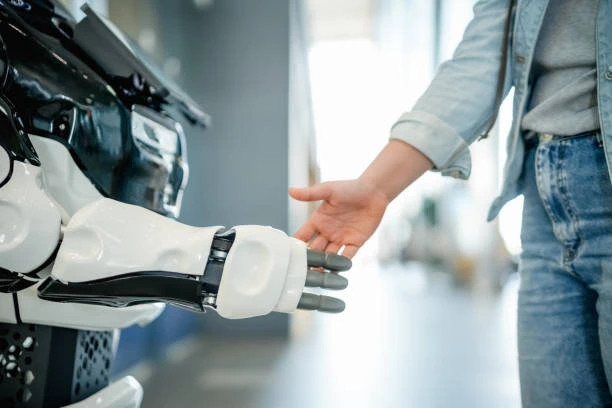
Human and robot handshake symbolizing human-AI collaboration
  • Laser-Assisted Cataract Surgery: AI precisely calculates capsulotomy size and IOL positioning using 3D imaging, reducing human error. Studies show 22% better refractive outcomes and faster visual recovery compared to manual techniques.
  • Vitreoretinal Procedures: AR overlays project real-time vascular maps during surgery, helping surgeons avoid delicate vessels. This “X-ray vision” cuts iatrogenic retinal tears by 30% in complex vitrectomies.

Outcome Forecasting

AI models analyze preoperative data (axial length, corneal curvature) to recommend ideal IOL power. A 2023 study by Ophthalmology showed AI predictions reduced postoperative refractive surprises by 50%.

The Road Ahead: AI-Driven Practice Models

The future of ophthalmology lies in unified ecosystems where AI, EHRs, and diagnostic devices work synergistically.

Interoperability

  • Unified Platforms: Modern platforms like EHNOTE seamlessly combine AI capabilities with EHR ASC billing, and patient engagement tools in one system. By breaking down data silos, they enable clinics to access complete patient histories instantly, streamline workflows, and reduce administrative redundancies – all while maintaining HIPAA compliance and data security.
  • Real-Time Decision Support: AI-enhanced EHRs analyze patient data, offering clinicians deeper insights – empowering evidence-based care. With treatment history and imaging results all in one place physicians can make precision decisions at the point of care.

Embracing AI as a Catalyst for Human-Centric Care

AI is not a replacement for ophthalmologists-it’s a force multiplier. By automating administrative tasks, enhancing diagnostic accuracy, and personalizing treatments, AI allows clinicians to refocus on the human elements of medicine: empathy, trust, and innovation.

For practices ready to lead, the future is not about choosing between technology and humanity. It’s about harnessing both to redefine what’s possible.

To know more visit www.rceenetworks.com

READ MORE
HealthEducation
Umesh Kumar KhiriOctober 31, 2025 0 Comments
Share article:TwitterFacebookLinkedin
34 Views
10 Likes

AI Trends and Developments in Optometry Practice Management

AI use in optometry is set to usher in a transformation for the future of eyecare practice management.

Various AI-powered technologies are revolutionizing practice management areas such as appointment scheduling, inventory management, and clinical decision-making.

AI technologies (RetinaWise AI) developed by RCEENetworks, such as deep learning algorithms and convolutional neural networks (CNNs), are being utilized to diagnose and manage various eye conditions, including glaucoma, diabetic retinopathy, and age-related macular degeneration (AMD).

These AI systems can analyze vast amounts of data from retinal images, providing optometrists with precise and timely insights that improve patient outcomes.

Understanding how artificial intelligence is poised to reshape optometry practices can lead to streamlined operations, increased efficiency and accuracy, and enhanced patient care.

Table of Contents

  • AI Applications in Optometry Practice Management
  • Chatbots and Large Language Models (LLMs)
  • AI Tools for Eye Examinations
    • AI-powered vision correction:
    • AI-driven eye diagnostics:
    • AI-assisted ocular imaging:
    • AI for early glaucoma detection:
  • AI in Teleoptometry
    • Algorithms for Optometry Patient Feedback
  • Move Your Practice Into the Future with Cloud-Based Technology

AI Applications in Optometry Practice Management

AI applications are changing how optometrists implement practice management, improving patient care and boosting efficiency. For instance, AI-powered technology improves scheduling, customer service, and practice performance tracking.

Chatbots and Large Language Models (LLMs)

The integration of Artificial Intelligence (AI) and Large Language Models (LLMs) in optometry is revolutionizing the field, enhancing both diagnostic accuracy and patient care.

These AI-driven virtual assistants can improve patient interactions within optometry practices. Capable of handling routine inquiries and frequently asked questions, chatbots provide real-time responses and support to patients, even outside regular office hours.

LLMs, such as GPT-4, are also making significant contributions to optometry. These models can assist in medical transcription, enhance electronic health records, and provide clinical decision support.

Their conversational interfaces simulate human-like interactions, creating a personalized experience for patients seeking information about services, insurance, or general eye care advice. This instant and continuous support increases patient engagement and improves the practice’s overall responsiveness.

Recent studies have shown that LLMs can match or even outperform ophthalmologists in diagnosing and recommending treatments for conditions like glaucoma and retinal diseases.

RCEENetworksTweet

Furthermore, LLMs are being incorporated into medical education, helping to train the next generation of eye care professionals by familiarizing them with emerging technologies.

As AI technologies get even better, chatbots are evolving into even ever-more realistic service assistants to further improve patient outcomes and streamline optometrists’ workflows.

AI Tools for Eye Examinations

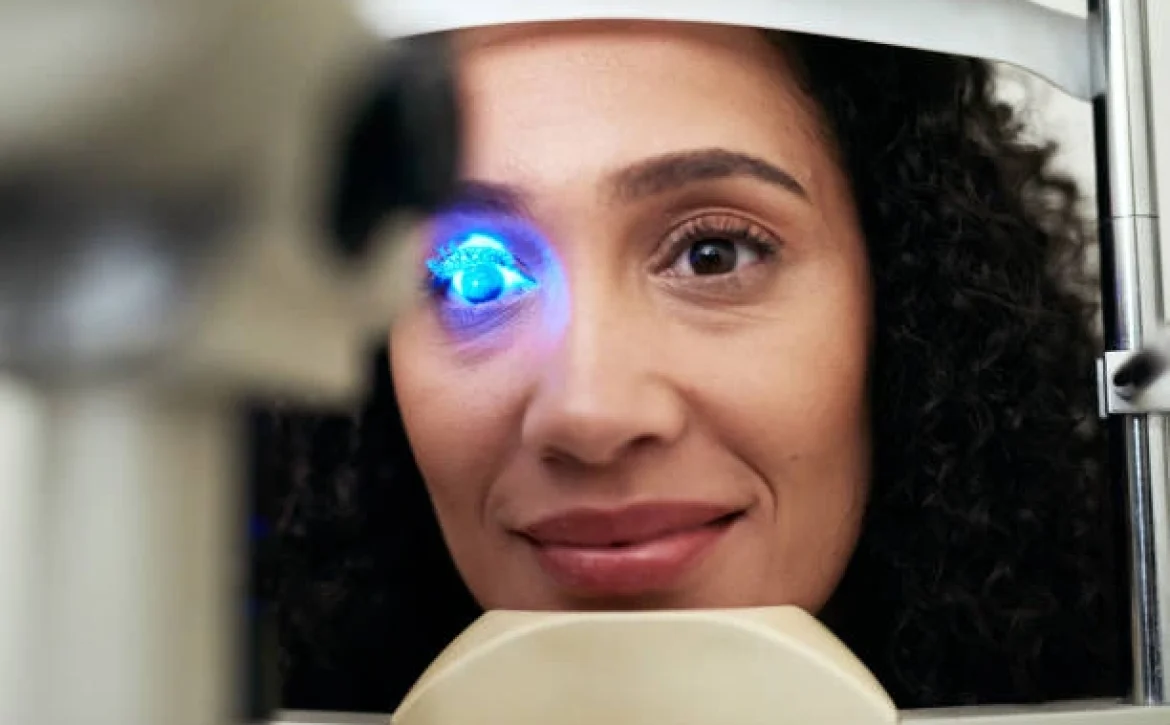
an ophthalmologist performing an eye exam using diagnostic equipment on a patient.

Optometrists are using emerging AI tools to improve eye examinations and provide more accurate patient treatments. Tools that are available now include AI-powered vision correction tools, diagnostics, imaging, and glaucoma detection.

One notable advancement is the development of AI tools like RetinWise AI, which exemplifies how AI can assist in early detection and management of eye diseases, potentially preventing vision loss in patients.

Additionally, AI-driven platforms like RetinaWise AI are being used in clinical settings to screen and grade eye conditions, aiding optometrists in making informed decisions about treatment plans.

AI-powered vision correction:

AI technologies improve vision correction by precisely analyzing patient data, leading to personalized prescriptions for optimal visual acuity. This ensures a more tailored and precise eyewear experience.

AI-driven eye diagnostics:

Through advanced algorithms, AI aids optometrists in diagnosing eye conditions with greater accuracy and efficiency. The analysis of patient data enables early detection and more effective treatment plans. For example, AI algorithms in optometry have led to better prediction, diagnosis, screening, and treatment for myopia.

AI-assisted ocular imaging:

AI enhances ocular imaging by providing in-depth insights into retinal health and other eye structures. This assists in identifying potential ocular issues, leading to proactive eye care measures and advances in ophthalmological treatment.

AI for early glaucoma detection:

AI’s capabilities enable early prediction of glaucoma incidence and progression, helping eyecare providers diagnose and treat the condition early on. In a 2022 study, the AI model used to predict glaucoma showed a high accuracy of 90% in the validation set and remained consistent, with 89% and 88% accuracy in two external test sets.

By analyzing relevant data and retinal photographs, AI supports timely intervention, promoting better management of glaucoma and preserving vision.

AI in Teleoptometry

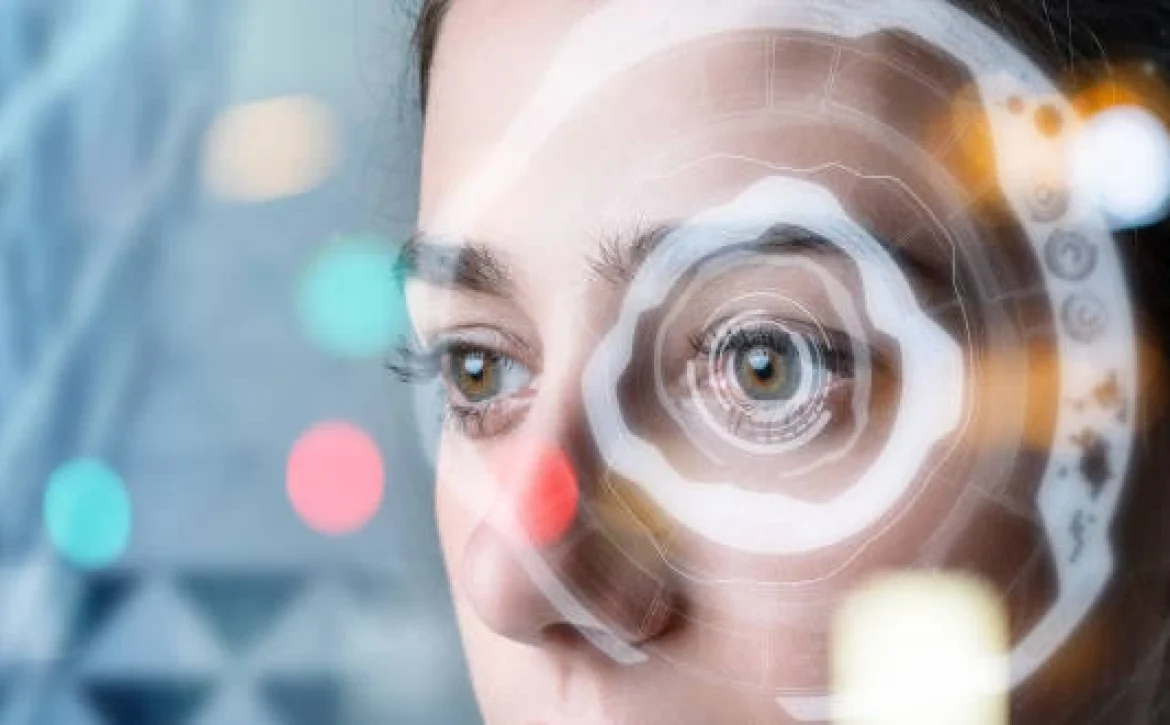
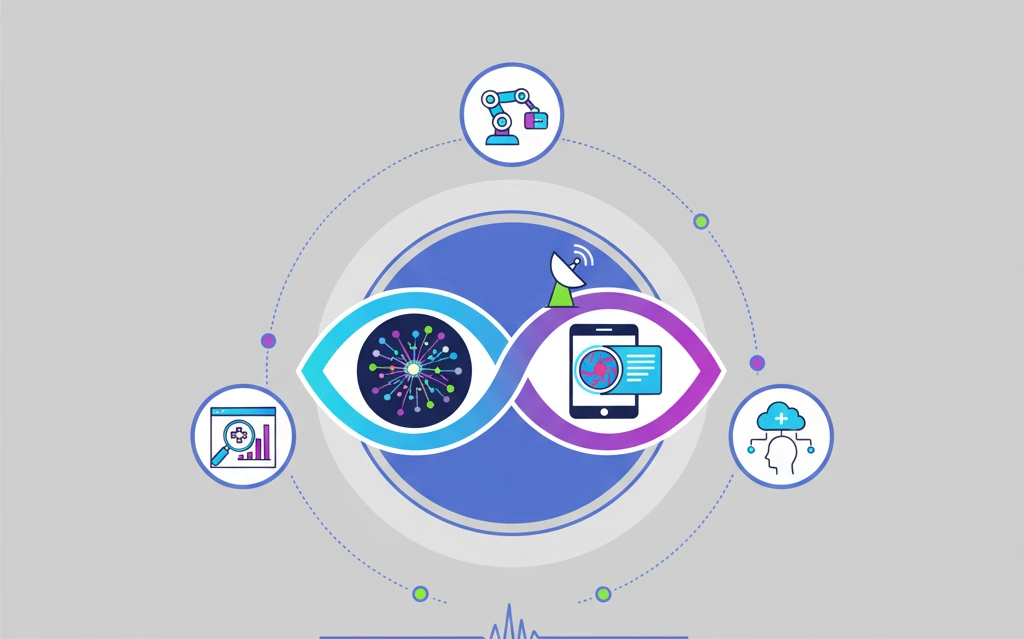
AI and digital technology integration in ophthalmology with data analytics, robotics, and cloud health icons.

AI-driven tools are transforming telehealth in optometry, bringing better patient services, efficiency, and accuracy to eye care.

Optometrists can provide remote consultations and eyecare screenings using virtual platforms powered by artificial intelligence. This enables patients to connect with optometrists from the comfort of their homes or remote locations.

As part of a remote eye care appointment, patients can capture images of their retina using a smartphone or specialized retinal camera. When providing telemedicine for retinal care, providers can use AI-powered tools to analyze images for signs of eye disease, such as diabetic retinopathy, macular degeneration, or glaucoma.

For instance, the Navilas® Laser System, a navigated laser photocoagulator for ophthalmology, allows retina specialists to preplan treatments at specific locations and times. This tool combines laser photocoagulation with fluorescein angiographic imaging, achieving an impressive 92% accuracy of hitting microaneurysms in diabetic macular edema (DME) compared to the standard manual technique laser treatment, with 72% accuracy.

Algorithms for Optometry Patient Feedback

AI tools are transforming how optometry practices gather and use patient feedback. Through natural language processing, sentiment analysis, and data mining, AI can process vast amounts of patient feedback from various sources, such as surveys and online reviews. This allows optometrists to gain valuable insights into patient experiences, preferences, and concerns.
With AI’s ability to identify patterns and trends, optometry practices can pinpoint areas for improvement and implement targeted enhancements to enhance patient satisfaction.

Move Your Practice Into the Future with Cloud-Based Technology

Overall, AI is transforming optometry, offering new tools and capabilities that enhance the accuracy, efficiency, and quality of eye care.

Not unlike AI in optometry, cloud-based RevolutionEHR is revolutionizing eye care. RetinaWise AI, by RCEENetworks offers the all-in-one functionality, streamlined workflows, and seamless partner integrations today’s optometrists need.

Embracing cloud-based technologies empowers optometrists to provide efficient and patient-centered treatments, ultimately shaping the future of eye care.

READ MORE
Education
Umesh Kumar KhiriOctober 28, 2025 0 Comments
Share article:TwitterFacebookLinkedin
40 Views
10 Likes

How to Improve Patient Satisfaction in Your Eye Care Practice

Patient satisfaction is more than just quality treatment—it’s about the overall experience. From the moment a patient enters your office to the time they leave, every interaction matters. Communication, convenience, comfort, and technology all play a role in how patients view your practice and whether they recommend it to others.
In this article, we’ll walk through actionable strategies that help ophthalmology and optometry practices exceed patient expectations, foster loyalty, and create a welcoming, efficient environment.

Table of Contents

  • Why Patient Satisfaction Matters in Eye Care
  • Create a Welcoming Environment
  • Communicate Clearly and Educate Patients
  • Leverage Technology to Enhance Convenience
  • Train Staff to Elevate the Patient Experience
  • Track Progress with Patient Feedback
  • Put Patient Satisfaction First with RCEENetworks LLC

Why Patient Satisfaction Matters in Eye Care

A great patient experience goes beyond the exam room. In fact:
“Patients who feel valued and comfortable are more likely to trust your care, return for follow-ups, and recommend your services.”
Tweet
By prioritizing transparency, convenience, and empathy, your practice can build long-term trust while improving outcomes.

Create a Welcoming Environment

The first impression matters. Patients form opinions about your practice the moment they walk in.

  • Comfortable seating and a clean, organized space set the tone.
  • Adequate lighting in waiting and exam rooms improves comfort.
  • Calming touches—like soft music or serene visuals—help reduce anxiety.
  • A friendly, attentive front desk team makes patients feel at ease.

These details might seem small, but together they transform the patient experience.

Communicate Clearly and Educate Patients

A female doctor converses with an elderly woman in a medical office, discussing health concerns
  • Simplify medical jargon. Use clear, straightforward language when explaining conditions or treatments.
  • Listen actively. Patients who feel heard and respected are more likely to trust your expertise.
  • Provide clear instructions. Offer step-by-step treatment plans and supplement with print or digital take-home summaries.

This approach ensures patients leave confident, informed, and reassured about their care.

Leverage Technology to Enhance Convenience

Modern patients expect digital convenience—and eye care practices can meet this need through smart technology:

  • Patient portals allow patients to view records, manage appointments, and handle billing anytime.
  • Online booking and scheduling reduce wait times and offer flexibility.
  • Automated reminders (via text or email) minimize missed appointments and last-minute cancellations.

These tools not only streamline operations but also empower patients to take an active role in their eye health.

Train Staff to Elevate the Patient Experience

Your team is at the heart of your practice’s reputation.

  • Front desk staff set the tone with warm greetings and efficient service.
  • Ongoing training (via webinars, workshops, or industry events) keeps staff prepared for evolving patient needs.
  • Empathy and professionalism in every interaction build lasting trust.

When staff feel confident and supported, patients feel it too.

Track Progress with Patient Feedback

Improvement requires measurement. Setting benchmarks—such as reducing wait times or boosting feedback scores—helps track success.

  • Use surveys and feedback forms to collect patient insights.
  • Look for recurring concerns and patterns.
  • Show patients their input matters by implementing changes based on feedback.

This proactive approach demonstrates your commitment to continuous improvement and patient care.

Put Patient Satisfaction First with RCEENetworks LLC

Improving patient satisfaction is an ongoing journey—but the payoff is worth it. A welcoming atmosphere, clear communication, smart technology, and well-trained staff all contribute to an exceptional experience.

At RCEENetworks LLC, we partner with eye care practices to streamline operations, optimize patient communication, and implement cutting-edge solutions that improve both efficiency and satisfaction.

Discover how RCEENetworks LLC can help your practice exceed patient expectations and build long-lasting patient relationships.

READ MORE
Education

We learn more by looking for the answer to a question and not finding it than we do from learning the answer itself.

LIOYD ALEXANDER
Umesh Kumar KhiriApril 1, 2020 2 Comments
Share article:TwitterFacebookLinkedin
664 Views
57 Likes

How to set yourself up for success a new career

In order to write the perfect blog post, you need to break your content up into paragraphs. While most blog posts use paragraphs, few use them well. Take the time to put links in your blog post…

READ MORE

Recent Posts

  • RETINAL IMAGE ANALYSIS USING AI TECHNOLOGY AT RCEENETWORKS
  • Revolutionizing Vision Care: AI-Powered Diagnosis of Rod-Cone Dystrophy
  • AI makes retinal imaging 100 times faster, compared to manual method
  • Artificial intelligence: the Unstoppable Revolution in Optometry and Ophthalmology
  • Progress in AI for Retinal Image Analysis

Recent Comments

  1. Fred Hyman on Yellow Cap
  2. Fred Hyman on T-Shirt Full Hand
  3. Fred Hyman on Yellow Cap
  4. Randal Gray on Black T-Shirt
  5. John Harris on Black T-Shirt

Archives

  • November 2025
  • October 2025
  • April 2021
  • March 2021
  • September 2020
  • April 2020

Categories

  • Business
  • Education
  • Finance
  • Health
  • Learning
  • Lifestyle
  • Students
  • Uncategorized
Recent Posts
  • RETINAL IMAGE ANALYSIS USING AI TECHNOLOGY AT RCEENETWORKS
    RETINAL IMAGE ANALYSIS USING AI TECHNOLOGY AT RCEENETWORKS
    November 14, 2025
  • Revolutionizing Vision Care: AI-Powered Diagnosis of Rod-Cone Dystrophy
    Revolutionizing Vision Care: AI-Powered Diagnosis of Rod-Cone Dystrophy
    November 13, 2025
  • AI makes retinal imaging 100 times faster, compared to manual method
    AI makes retinal imaging 100 times faster, compared to manual method
    November 11, 2025
Categories
  • Business2
  • Education6
  • Finance5
  • Health9
  • Learning4
  • Lifestyle3
  • Students3
  • Uncategorized4
Tags
balance coach coaching courses education eye care lifeguide motivation Ophthalmic Ophthalmology optometrist strategy
logotype

+1-844-2-THEOWL (+1 844 284-3695)‬

info@rceenetworks.com

3010 LBJ Freeway, Suite 1200, Dallas, Texas 75234

Menu

Home Services

ProductBlog

Contact

Other Links

RetinaWise AIPrivacy PolicyContent PolicyTerms & Conditions

Social Links

TwitterFacebookInstagramLinkedin

Copyright © 2025 RCEENetworks LLC. All Rights Reserved