RCEE+Networks LLC
  • Home
  • About
  • Services
    • IMACAM™ Tech Support
  • Products
    • RetinaWiseAI™
  • Contact
+1-844-2-THEOWL
info@rceenetworks.com
logotype
  • Home
  • About
  • Services
    • IMACAM™ Tech Support
  • Products
    • RetinaWiseAI™
  • Contact
logotype
  • Home
  • About
  • Services
    • IMACAM™ Tech Support
  • Products
    • RetinaWiseAI™
  • Contact
Learning
Home Archive by Category "Learning"

Category: Learning

EducationHealthLearning
Umesh Kumar KhiriNovember 14, 2025 0 Comments
Share article:TwitterFacebookLinkedin
27 Views
11 Likes

RETINAL IMAGE ANALYSIS USING AI TECHNOLOGY AT RCEENETWORKS

Retinal image analysis using AI technology

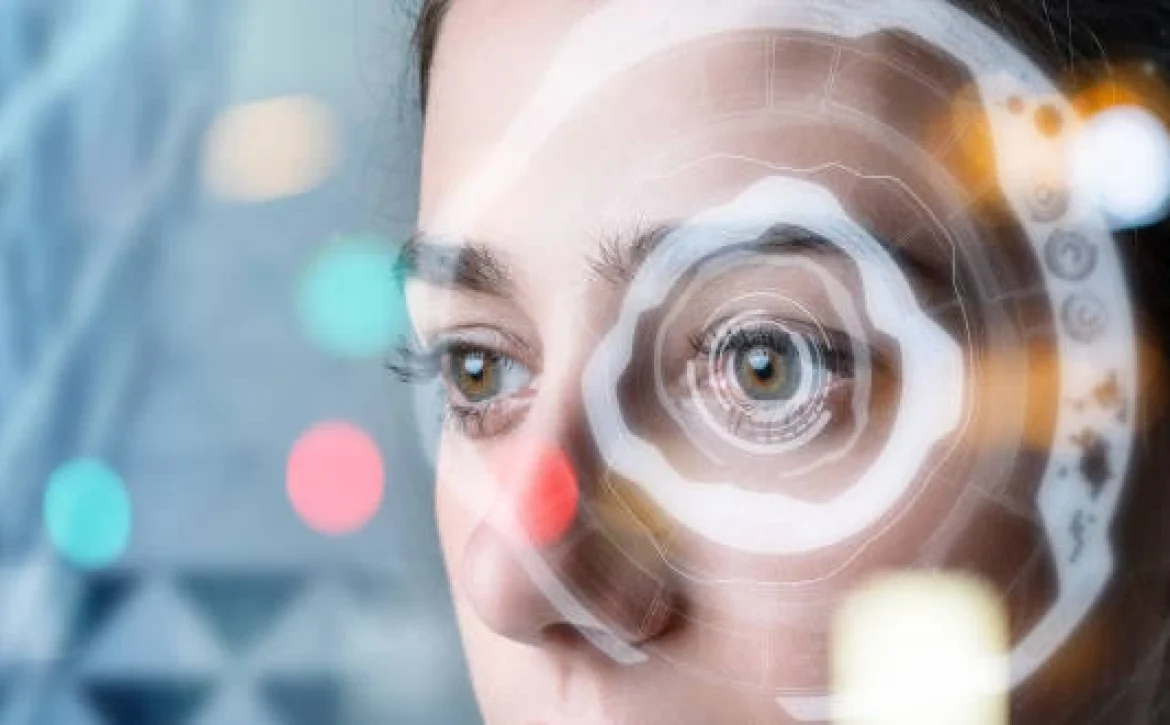
Image analysis for retinal images has been an active subject of research over the last couple of decades. With the popularity of mydriatic and non-mydriatic digital imaging cameras, color fundus photographs have become essential part of standard retinal exam. Advances in image analysis, pattern recognition, and machine learning have opened up a great opportunity to enhance the clinical care available to patients suffering for retinal diseases such as diabetic retinopathy, age related macular degeneration, hypertensive retinopathy, and glaucoma.

Rceenetworks logo

RCEENetworks’ Optometry & Ophthalmology software boosts accuracy, efficiency, and patient care for eye care professionals.

Eye care professional showing a patient a report beside an Optos imaging machine.

RCEENETWORKSTM is developing exciting new technologies to detect various lesions related to retinal diseases such as diabetic retinopathy (DR), age related macular degeneration (ARMD), Glaucoma, Edema – to name a few. RCEENETWORKSTM engineers have deep understanding of image processing theory and have leveraged this experience to create intelligent AI models. In addition, they combine the AI image analysis output with patient’s medical data to increase diagnostic accuracy to the highest level. Watch this space for the release of our next generation imaging analysis system – RetinaWiseAI .
Retinal image analysis using AI technology
READ MORE
HealthLearning
Umesh Kumar KhiriNovember 13, 2025 0 Comments
Share article:TwitterFacebookLinkedin
27 Views
13 Likes

Revolutionizing Vision Care: AI-Powered Diagnosis of Rod-Cone Dystrophy

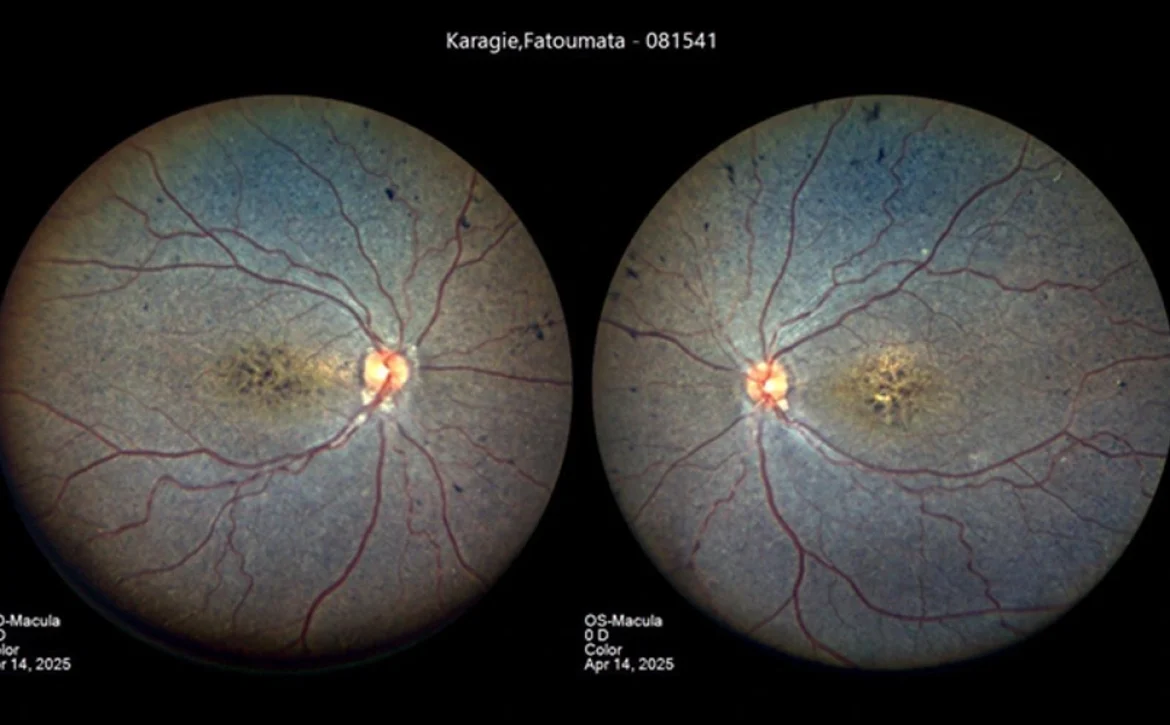
Diagnosis: Cone-Rod Dystrophy (CRD)

Observed Features:

  • Macular pigmentary changes (mottling and granularity) in both eyes.
  • Slightly reduced fundus view clarity.

Reasoning:

Quality Assessment: The image quality is slightly grainy and has a somewhat washed-out appearance, possibly indicating mild media opacity like a subtle cataract, which marginally reduces fundus clarity.

Systematic Inspection:

Optic Disc Examination:

The optic discs appear normal in terms of cup-to-disc ratio and neuroretinal rim. No signs of optic disc hemorrhages or notching are visible.

Macular Examination:

In both eyes, there is a noticeable abnormality in the macula. We observe pigmentary changes described as mottling and granularity within the macular region. There is no clear evidence of drusen, hemorrhages,or exudates typically associated with AMD or DR. Macular edema is not suggested by the absence of macular thickening or cystoid spaces.

Retinal Vessel Examination:

The retinal vessels appear generally normal. There are no signs of microaneurysms, hemorrhages, cotton wool spots, venous beading, IRMA, or neovascularization, which are key features of DiabeticRetinopathy. Vessel caliber seems within normal limits.

Differential Diagnosis:

Diabetic Retinopathy (DR):

Ruled out due to the absence of microaneurysms,hemorrhages, exudates, and neovascularization. Age-Related Macular Degeneration (AMD): Less likely as typical drusen are not clearly observed. While pigmentary changes are present, the pattern is more of a diffuse mottling and granularity rather than the typical drusen or geographic atrophy of AMD. Wet AMD features are absent.

Glaucoma:

Ruled out as the optic discs appear normal, with no signs of increased CDR, rim thinning, or disc hemorrhages.

Macular Edema:

Not indicated due to the lack of macular thickening, cystoid spaces, or associated exudates.

Cataract:

Mild cataract may be present, indicated by the slight reduction in image clarity, but it’s not the primary finding.

Cone-Rod Dystrophy (CRD):

The observed macular pigmentary changes, specifically the mottling and granularity, are consistent with macular atrophy, a key feature of Cone-Rod Dystrophy. This, in the absence of strong indicators for other conditions, makes CRD the most probable diagnosis based on these images.

Conclusion:

Based on the macular pigmentary changes (mottling and granularity) and the exclusion of other more common retinal conditions based on feature absence, Cone-Rod Dystrophy is the most likely diagnosis. The mild reduction in fundus clarity could be due to a subtle cataract, but this is considered a secondary finding compared to the macular pathology.
Courtesy – Dennis West.

READ MORE
EducationLearning
Umesh Kumar KhiriNovember 3, 2025 0 Comments
Share article:TwitterFacebookLinkedin
31 Views
9 Likes

AI in Ophthalmology: How Intelligent Technology is Reshaping the Future of Eye Care

The integration of artificial intelligence (AI) into ophthalmology is not just a technological advancement-it’s a paradigm shift. By merging clinical expertise with machine learning, AI is redefining diagnostics, surgical precision, patient engagement, and practice efficiency. For ophthalmologists, this evolution promises to alleviate administrative burdens, enhance decision-making, and prioritize patient-centered care.
Below, we explore how AI is transforming every facet of eye care, from early disease detection to ethical adoption.

Streamlining Clinical Workflows: Liberating Time for Patient Care

Administrative tasks consume 30-40% of an ophthalmologist’s day. AI is tackling these inefficiencies head-on, automating repetitive processes and integrating seamlessly with EHR systems.

Automating Documentation

Ambient Voice Assistants: One of the trending AI technologies today in Ophthalmology is Speech-to-Text transcription that listens to doctor-patient communications and transcribes notes in real-time, drafts structured notes, and auto-populates EHR fields. Clinicians save 7-10 minutes per visit, reclaiming hours weekly for meaningful patient interactions.
Smart Templates: AI-generated templates adapt to subspecialties. For instance, a retina specialist’s template auto-fills fields for intravitreal injections, while a pediatric ophthalmologist’s template prioritizes amblyopia screening metrics.

Prior Authorization & Revenue Cycle Management

  • AI-Powered Appeals: Billing systems with built-in intelligence analyze denied claims, cross-reference clinical data (e.g., visual field tests, OCT scans), and autogenerate appeals with insurer-specific rationale. This saves the staff hours, which usually get spent arguing with payers, trying to resolve a claim issue; Many of the time just one claim issue requires them to do a lot of to and fro-ing, usually because the staff is less aware of the clinical side of errors and it takes them very long to figure it out, in the end requiring the doctor to take some time off their busy schedule and intervene in the matter to have it resolved. However, AI can take care of these things in a matter of minutes, as it has been trained on all the aspects necessary and with seamless interoperability, it can verify all the necessary aspects quickly and provide fast resolutions.
  • Real-Time Coding Guardrails: Imagine finishing a long clinic day, only to face denied claims because of a mismatched billing code. AI steps in as your silent partner, scanning every chart in real time. It catches errors-like pairing a retinal imaging code (CPT 92134) with a glaucoma diagnosis (ICD-10 H40.9)-before claims even leave your desk. No more headaches from rejected claims or wasted hours unraveling billing tangles. With fewer denials and faster reimbursements, you’re free to focus on what matters: your patients and your craft.

Impact on Practice Economics

Global finance and economic growth concept with coins and globe

A 2024 MGMA report highlighted that clinics using AI-driven administrative tools recovered $300,000 annually in lost revenue and reduced staffing costs by 20%.

Personalized Care: From One-Size-Fits-All to Precision Medicine

AI’s ability to synthesize historical data, genetic profiles, and lifestyle factors is enabling hyper-personalized treatment plans.

Predictive Analytics in Chronic Disease

  • Glaucoma Management: AI is revolutionizing glaucoma management by analyzing intraocular pressure trends, medication adherence patterns, and OCT imaging data to predict which patients are at highest risk of progression. These smart algorithms can detect subtle changes in retinal nerve fiber layer thickness and identify nonadherent patients up to 18 months before traditional methods, enabling earlier interventions. Clinics using these predictive tools report better outcomes, with one study showing a 40% reduction in disease progression through timely treatment adjustments and targeted patient monitoring.
  • Post-Operative Risks: Algorithms assess variables like corneal thickness, diabetes status, and surgical techniques to predict cystoid macular edema (CME) risk postcataract surgery. Proactive NSAID regimens reduced CME incidence by 40% in a 2024 trial.

Patient Engagement Reimagined

  • AI Chatbots: AI-powered chatbots are transforming patient communication by instantly answering common questions like post-op care instructions or billing inquiries. These smart assistants handle routine queries (e.g., “When can I drive after dilation?” or “What’s my copay for a retinal scan?”), freeing your staff to focus on complex patient needs. Clinics using this technology report cutting call center volume in half while improving patient satisfaction scores by 15-20%. The chatbots learn from each interaction, continuously improving their ability to provide accurate, helpful responses in multiple languages.
  • Tailored Education: AI now personalizes health education by analyzing patient demographics, language preferences, and health literacy levels. For a Spanishspeaking glaucoma patient, it might refer a video tutorial demonstrating proper drop administration techniques. For a busy executive with dry eyes, it could suggest a quick-reference infographic about lifestyle modifications. This hyper-relevant approach has been shown to boost medication adherence by 35% and reduce noshow rates by 25%. The system automatically updates materials as treatment protocols evolve, ensuring every patient receives current, culturally appropriate guidance.

Revolutionizing Diagnostics: AI as a Collaborative Partner

Ophthalmology thrives on precision, and AI is emerging as a critical ally in interpreting complex data. Retinal scans, visual field tests, and optical coherence tomography (OCT) generate vast datasets that AI can analyze with unparalleled speed and accuracy.

Early Detection of Sight-Threatening Conditions

  • Diabetic Retinopathy (DR): AI algorithms evaluate fundus images to identify microaneurysms, hemorrhages, and exudates. A 2023 study in Nature Medicine found that AI systems achieved 98% sensitivity in detecting DR, enabling timely interventions that prevent blindness.
  • Glaucoma Progression: Machine learning models track changes in optic nerve head topography and retinal nerve fiber layer thickness. These tools predict which patients will require surgical intervention, allowing ophthalmologists to act before irreversible vision loss occurs.
  • Age-Related Macular Degeneration (AMD): AI analyzes OCT scans for drusen volume and geographic atrophy, stratifying patients into risk categories. Early detection enables lifestyle modifications and anti-VEGF therapy to slow progression.

Beyond Imaging: Predictive Biomarkers

AI is uncovering novel biomarkers for diseases like keratoconus and uveitis. For example, algorithms analyzing corneal topography patterns can predict ectasia progression years before clinical symptoms manifest.

Surgical Innovation: Enhancing Precision Beyond Human Limits

AI is redefining ophthalmic surgery, blending machine precision with human expertise.

Robotic Assistance & Real-Time Guidance

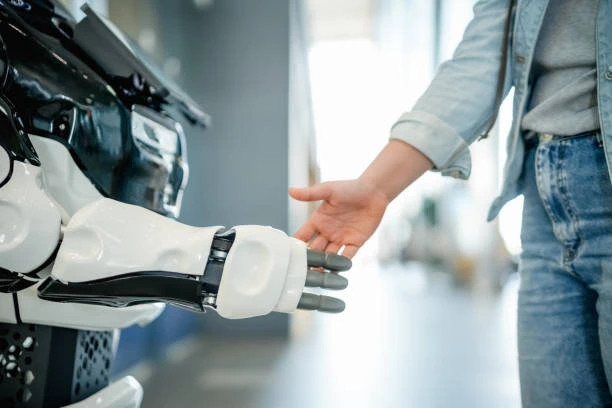
Human and robot handshake symbolizing human-AI collaboration
  • Laser-Assisted Cataract Surgery: AI precisely calculates capsulotomy size and IOL positioning using 3D imaging, reducing human error. Studies show 22% better refractive outcomes and faster visual recovery compared to manual techniques.
  • Vitreoretinal Procedures: AR overlays project real-time vascular maps during surgery, helping surgeons avoid delicate vessels. This “X-ray vision” cuts iatrogenic retinal tears by 30% in complex vitrectomies.

Outcome Forecasting

AI models analyze preoperative data (axial length, corneal curvature) to recommend ideal IOL power. A 2023 study by Ophthalmology showed AI predictions reduced postoperative refractive surprises by 50%.

The Road Ahead: AI-Driven Practice Models

The future of ophthalmology lies in unified ecosystems where AI, EHRs, and diagnostic devices work synergistically.

Interoperability

  • Unified Platforms: Modern platforms like EHNOTE seamlessly combine AI capabilities with EHR ASC billing, and patient engagement tools in one system. By breaking down data silos, they enable clinics to access complete patient histories instantly, streamline workflows, and reduce administrative redundancies – all while maintaining HIPAA compliance and data security.
  • Real-Time Decision Support: AI-enhanced EHRs analyze patient data, offering clinicians deeper insights – empowering evidence-based care. With treatment history and imaging results all in one place physicians can make precision decisions at the point of care.

Embracing AI as a Catalyst for Human-Centric Care

AI is not a replacement for ophthalmologists-it’s a force multiplier. By automating administrative tasks, enhancing diagnostic accuracy, and personalizing treatments, AI allows clinicians to refocus on the human elements of medicine: empathy, trust, and innovation.

For practices ready to lead, the future is not about choosing between technology and humanity. It’s about harnessing both to redefine what’s possible.

To know more visit www.rceenetworks.com

READ MORE
Learning
Umesh Kumar KhiriSeptember 23, 2020 2 Comments
Share article:TwitterFacebookLinkedin
570 Views
58 Likes

Building a Career in Data Science and Analytics

In order to write the perfect blog post, you need to break your content up into paragraphs. While most blog posts use paragraphs, few use them well. Take the time to put links in your blog post…

READ MORE

Recent Posts

  • RETINAL IMAGE ANALYSIS USING AI TECHNOLOGY AT RCEENETWORKS
  • Revolutionizing Vision Care: AI-Powered Diagnosis of Rod-Cone Dystrophy
  • AI makes retinal imaging 100 times faster, compared to manual method
  • Artificial intelligence: the Unstoppable Revolution in Optometry and Ophthalmology
  • Progress in AI for Retinal Image Analysis

Recent Comments

  1. Fred Hyman on Yellow Cap
  2. Fred Hyman on T-Shirt Full Hand
  3. Fred Hyman on Yellow Cap
  4. Randal Gray on Black T-Shirt
  5. John Harris on Black T-Shirt

Archives

  • November 2025
  • October 2025
  • April 2021
  • March 2021
  • September 2020
  • April 2020

Categories

  • Business
  • Education
  • Finance
  • Health
  • Learning
  • Lifestyle
  • Students
  • Uncategorized
Recent Posts
  • RETINAL IMAGE ANALYSIS USING AI TECHNOLOGY AT RCEENETWORKS
    RETINAL IMAGE ANALYSIS USING AI TECHNOLOGY AT RCEENETWORKS
    November 14, 2025
  • Revolutionizing Vision Care: AI-Powered Diagnosis of Rod-Cone Dystrophy
    Revolutionizing Vision Care: AI-Powered Diagnosis of Rod-Cone Dystrophy
    November 13, 2025
  • AI makes retinal imaging 100 times faster, compared to manual method
    AI makes retinal imaging 100 times faster, compared to manual method
    November 11, 2025
Categories
  • Business2
  • Education6
  • Finance5
  • Health9
  • Learning4
  • Lifestyle3
  • Students3
  • Uncategorized4
Tags
balance coach coaching courses education eye care lifeguide motivation Ophthalmic Ophthalmology optometrist strategy
logotype

+1-844-2-THEOWL (+1 844 284-3695)‬

info@rceenetworks.com

3010 LBJ Freeway, Suite 1200, Dallas, Texas 75234

Menu

Home Services

ProductBlog

Contact

Other Links

RetinaWise AIPrivacy PolicyContent PolicyTerms & Conditions

Social Links

TwitterFacebookInstagramLinkedin

Copyright © 2025 RCEENetworks LLC. All Rights Reserved