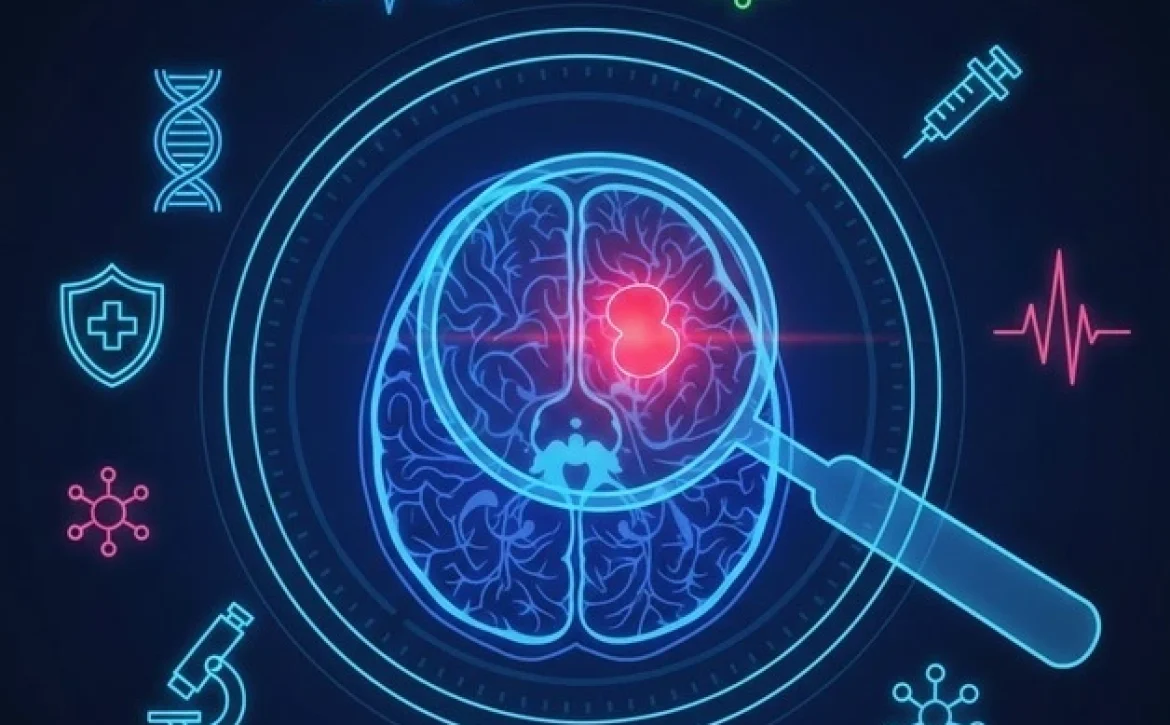
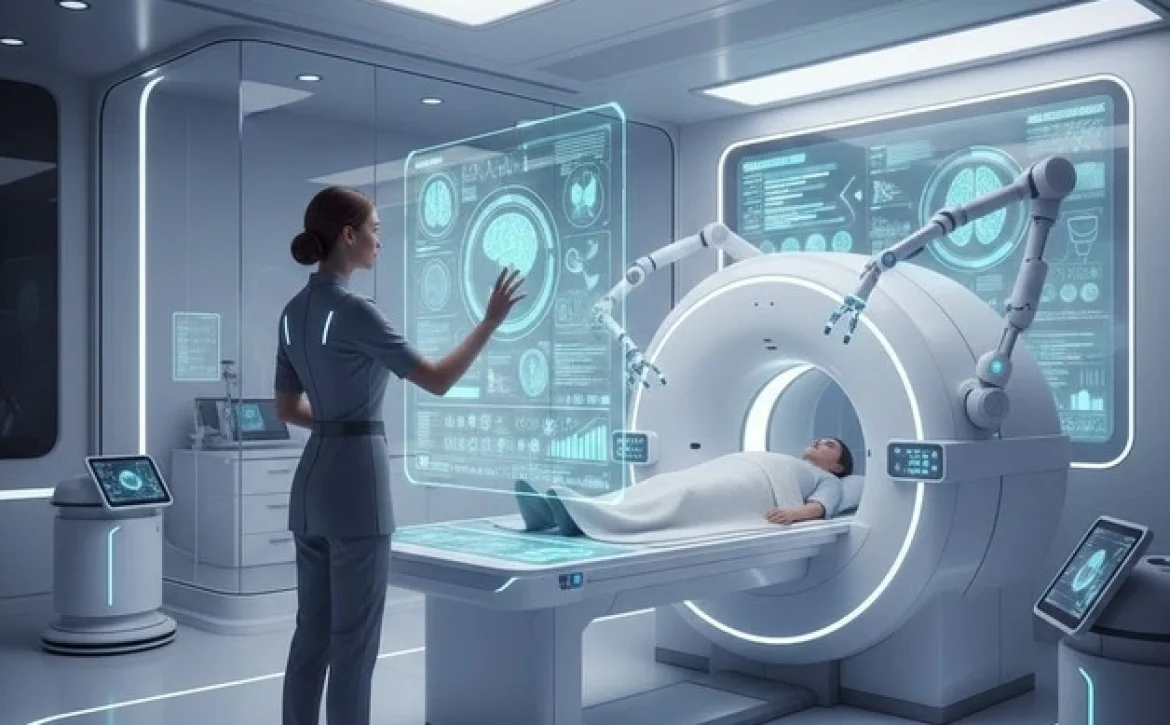
Companies specializing in AI for healthcare medical imaging analysis are at the forefront of a digital revolution in medicine. By leveraging advanced algorithms, these innovators interpret MRI, CT, PET, and ultrasound scans with unmatched precision—reducing human error, accelerating workflows, and improving patient outcomes.
But which companies are truly redefining diagnostic imaging with AI? Let’s explore the top global players driving this transformation.
Key Takeaways
- Companies specializing in AI for medical imaging analysis are improving diagnostic speed, accuracy, and workflow efficiency.
- Regulatory compliance and robust data validation are central to clinical credibility.
- Emerging markets like India are producing scalable imaging AI innovations.
- The future lies in multimodal imaging integration and cloud-based diagnostic ecosystems enabling precision healthcare globally.
What Defines Companies Specializing in AI for Healthcare Medical Imaging Analysis?
Such companies develop intelligent imaging platforms powered by deep learning and computer vision to extract clinical insights from complex imaging data.
Core Functions Include:
- Computer-aided detection: Spots potential diagnostic issues like tumors, lesions, and skeletal breaks in medical images..
- Quantitative analysis: Measuring anatomical structures, densities, or changes over time.
- Clinical integration: Interfacing with hospital PACS and EHR systems for seamless diagnostic workflows.
These AI-driven imaging solutions bridge computational innovation with clinical expertise, providing radiologists and physicians with actionable intelligence in real time.
Top Companies Specializing in AI for Healthcare Medical Imaging Analysis
| Company | Core Specialization | Region | Notable Product/Service |
| Zebra Medical Vision | Radiology and bone health analytics | Israel | AI1 Radiology Suite |
| Aidoc | Emergency radiology triage | USA | Aidoc AI Platform |
| Qure.ai | Chest X-ray and head CT interpretation | India | qXR, qER |
| Siemens Healthineers | Integrated imaging workflow AI | Germany | AI-Rad Companion |
| Butterfly Network | Portable ultrasound with AI guidance | USA | Butterfly iQ+ |
| Lunit | Cancer detection and oncology imaging | South Korea | Lunit INSIGHT CXR |
| Enlitic | Radiology workflow optimization | USA | Curie Platform |
| HeartFlow | Cardiac imaging and analysis | USA | FFRct Analysis |
| Google Health (DeepMind) | Ophthalmic and cancer imaging | UK/USA | AI Cancer Screening Tools |
| Arterys | Cloud-based medical imaging AI | USA | Arterys Marketplace |
These pioneers demonstrate the convergence of medical imaging, data science, and precision healthcare.
How Do Healthcare AI Companies Ensure Clinical Accuracy and Compliance?
To ensure reliability and patient safety, top companies emphasize:
- Regulatory certification: Compliance with FDA 510(k), CE, and MHRA standards.
- Data diversity: Validation across global, multi-ethnic datasets.
- Ongoing model improvement: Post-market surveillance and continuous learning.
- Interoperability: Conformance with DICOM, HL7, and HIPAA standards for data protection.
Through rigorous validation and compliance, hospitals gain confidence to implement AI tools responsibly and effectively.
Challenges Facing AI Medical Imaging Companies
While the potential is vast, challenges persist:
- Data heterogeneity: Inconsistent imaging protocols across devices.
- Algorithmic bias: Underrepresentation of specific demographics.
- Clinical resistance: Hesitancy to adopt AI-driven workflows.
- Cybersecurity risks: Protecting sensitive medical imaging data.
To mitigate these issues, leaders are investing in federated learning, explainable AI (XAI), and edge computing solutions that enhance transparency and data privacy.
Impact of AI Imaging Solutions on Clinical Workflows and Patient Care
AI integration brings measurable impact:
- Faster triage: Prioritizing critical cases automatically.
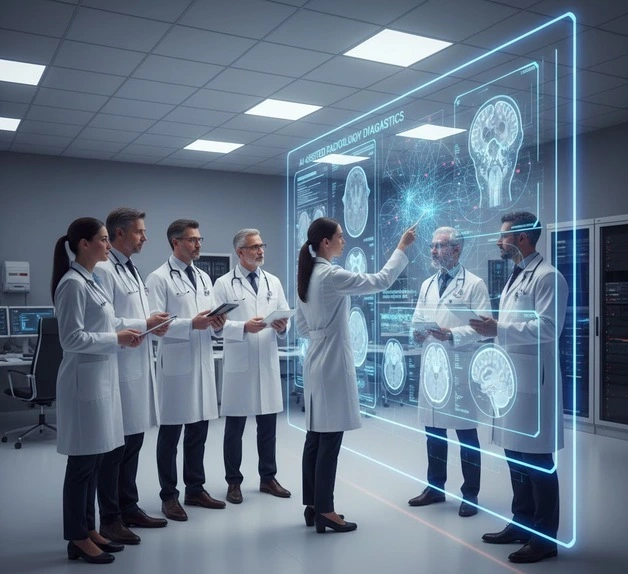
- Enhanced collaboration: Enabling real-time communication between radiologists and referring physicians.
- Reduced backlog: Handling large imaging volumes efficiently.
- Predictive analytics: Supporting personalized treatment planning.
These solutions ensure faster diagnoses, improved accuracy, and better patient outcomes.
Industries Benefiting from AI-Based Medical Imaging Analysis
| Healthcare Domain | AI Application |
| Radiology | Automated reporting and anomaly detection |
| Oncology | Early cancer detection and tumor tracking |
| Cardiology | Quantitative vascular and cardiac imaging |
| Neurology | Brain segmentation for stroke and dementia |
| Pathology | Digital biopsy image classification |
AI’s integration across these disciplines strengthens precision medicine and supports data-driven decision-making.
Future Outlook: The Next Phase of Companies Specializing in AI for Healthcare Medical Imaging Analysis
The coming decade will witness:
- Multimodal imaging fusion: Integrating MRI, CT, PET, and genomic data for holistic diagnostics.
- Cloud-native ecosystems: Decentralized, collaborative diagnostics via secure cloud platforms.
- AI in cellular imaging: Enabling early disease detection at the microscopic level.
- Predictive and preventive analytics: Empowering physicians to forecast disease progression.
The future of medical imaging lies in connected, intelligent ecosystems that unify imaging, data, and analytics.
Conclusion
Companies specializing in AI for healthcare medical imaging analysis are redefining the diagnostic paradigm. By combining computational precision with clinical context, they enhance care delivery across every medical domain. As regulatory trust, cloud interoperability, and data standardization expand, AI-driven imaging will become the cornerstone of personalized, preventive, and precision healthcare.
The emerging field of AI-driven cellular imaging will further bridge the gap between molecular and systemic diagnostics—ushering in a new era of integrated medical intelligence.
FAQs
In which industry is AI used for medical imaging analysis?
AI is primarily applied in healthcare, especially in radiology, oncology, cardiology, and neurology.
What are the leading medical AI companies?
Key players include Aidoc, Qure.ai, Siemens Healthineers, Zebra Medical Vision, and Arterys.
Which is the best AI solution in healthcare?
Aidoc and Siemens Healthineers are recognized for clinically validated, FDA-cleared AI imaging platforms.
What are top radiology AI companies in India?
Qure.ai and DeepTek lead India’s imaging AI innovation, focusing on scalable, affordable diagnostic automation.
Are medical AI companies good for investment?
Yes, firms such as HeartFlow, Lunit, and Aidoc show strong growth potential with proven clinical and regulatory success.
Sources
https://www.siemens-healthineers.com
https://www.weforum.org/organizations/zebra-medical-vision