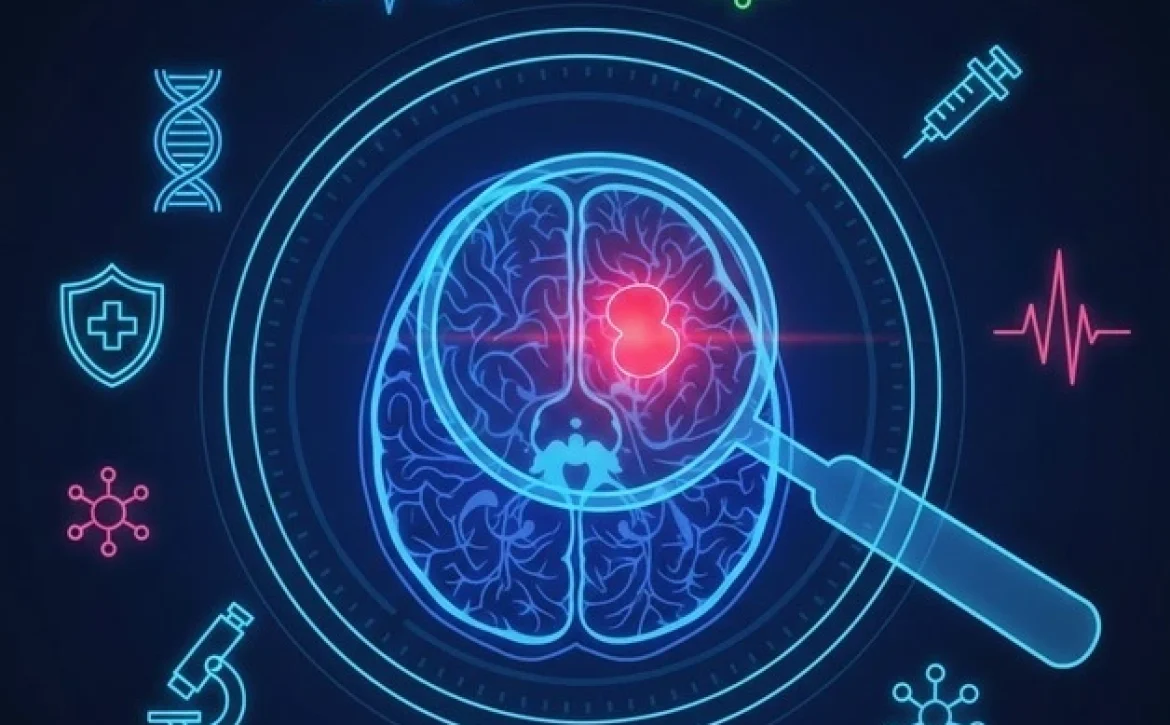
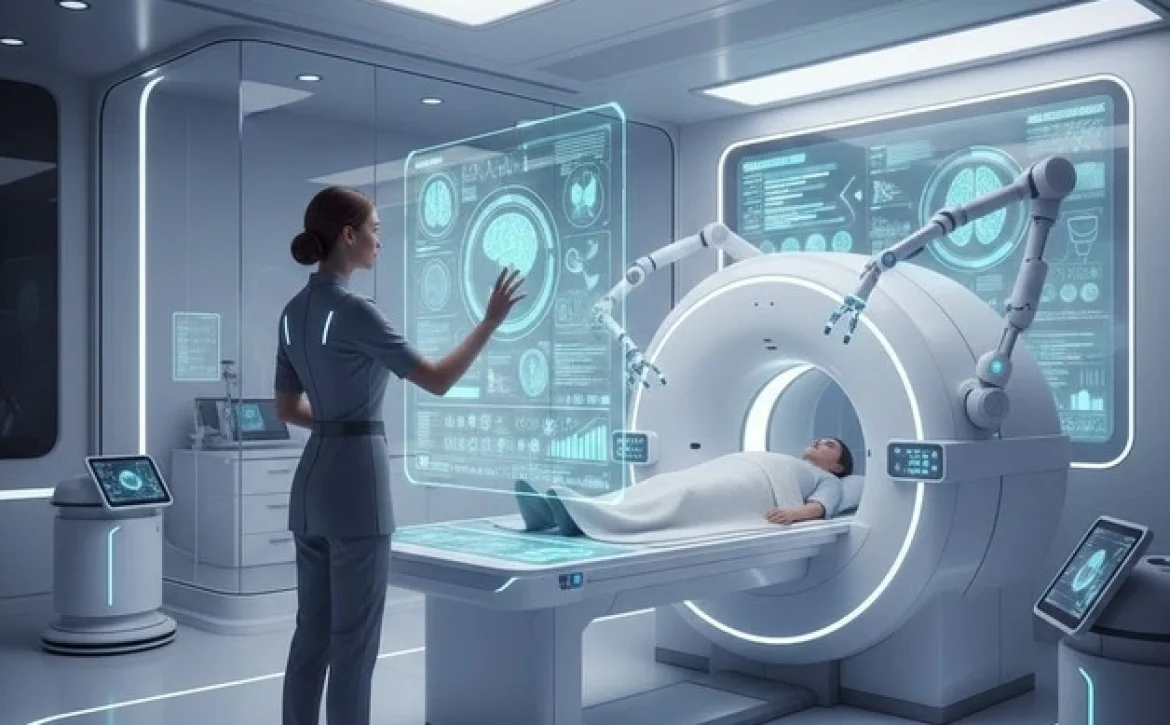
Comparing AI platforms for medical image analysis in diagnostics requires more than measuring algorithmic accuracy—it demands evaluating how each system fits within a hospital’s operational, regulatory, and clinical framework. These platforms automate the detection, segmentation, and classification of imaging data from MRI, CT, PET, and X-ray modalities.
Healthcare providers now face a strategic decision: selecting the platform that balances diagnostic reliability, speed, integration flexibility, and ethical compliance without overextending budgets or IT infrastructure.
Key Takeaways
- AI diagnostic platforms differ significantly in performance, integration, and compliance scope.
- Deep learning systems offer the best accuracy but highest cost of ownership.
- Hybrid AI provides flexibility but introduces complexity in maintenance.
- Cloud-native platforms deliver scalability with data governance trade-offs.
- Regulatory validation remains the deciding factor for clinical deployment.
- Hospitals must prioritize adaptability, not just algorithmic power, when evaluating platforms.
What Defines an AI Platform for Medical Image Analysis in Diagnostics?
AI diagnostic platforms function as integrated software ecosystems that process and interpret medical images using machine learning and deep learning pipelines. A comprehensive platform typically offers:
- Data ingestion and preprocessing: Supports multi-modality data harmonization.
- AI model lifecycle tools: Enables model training, validation, deployment, and monitoring.
- Integration with PACS/EHR systems: Connects with existing workflows.
- Compliance credentials: FDA 510(k), CE marking, or equivalent regulatory approvals.
Buyer Insight: The value of these systems depends on interoperability, model transparency, and how well they adapt to specific imaging workloads rather than raw accuracy alone.
How Do Leading AI Platforms Differ in Accuracy and Speed?
Key differentiators emerge when comparing processing speed, modality coverage, and integration complexity.
| Parameter | Platform A (Deep Learning Focused) | Platform B (Hybrid AI) | Platform C (Cloud-Native) |
| Image Modality Support | MRI, CT, Ultrasound | CT, X-ray, PET | MRI, CT, Digital Pathology |
| Average Diagnostic Accuracy | 95% | 92% | 90% |
| Processing Speed | <3 seconds per scan | 5 seconds per scan | 2 seconds per scan |
| Integration Complexity | Moderate | High | Low |
Interpretation:
- Deep learning–centric platforms offer top-tier accuracy but require high computational power and retraining costs.
- Hybrid AI platforms (rule-based + neural) are flexible for varied clinical settings but may lag in real-time response.
- Cloud-native systems excel in speed and scalability, though they depend on stable data connectivity and strong cybersecurity protocols.
What Are the Core Evaluation Criteria for Platform Selection?
Procurement teams evaluate AI imaging systems based on standardized operational and regulatory parameters:
- Algorithmic Performance: Benchmark sensitivity, specificity, and AUC on independent datasets.
- Regulatory Compliance: Availability of FDA or CE clearance for the specific indication.
- Integration Readiness: Compatibility with PACS, HIS, and RIS systems.
- User Experience: Interface simplicity and report visualization for radiologists.
- Scalability: Cloud or hybrid deployment, support for multi-site operations, and automatic model updates.
Trade-Off:
- High-accuracy models often require complex integration.
- Low-maintenance systems may sacrifice customizability.
- Cloud-based scalability may come with data sovereignty concerns for hospitals in regulated markets.
How Are AI Platforms Integrated into Clinical Workflows?
Integration success depends on how seamlessly a platform supports radiologists without disrupting established processes. Leading platforms now enable:
- Embedded analytics: AI results appear directly within EHR or PACS viewers.
- Automated preliminary reporting: Accelerates review but requires radiologist validation.
- Cross-department dashboards: Enable multi-specialty diagnostic collaboration.
- Feedback-driven learning: Continuous improvement via user-validated outputs.
Use-Case Suitability:
- Emergency care: Requires sub-3-second analysis and low latency (Platform C-type).
- Academic hospitals: Prefer customizable and research-friendly systems (Platform A-type).
- Mid-size clinics: Benefit from hybrid, plug-and-play systems (Platform B-type).
What Role Does Regulatory and Ethical Compliance Play?
AI diagnostic platforms are subject to stringent global health regulations:
- FDA 510(k) clearance (U.S.) – verifies clinical safety for specific use cases.
- CE Mark under MDR (EU) – ensures conformity with medical device regulations.
- Data governance: HIPAA (U.S.) and GDPR (EU) ensure patient privacy protection.
Evaluation Note:
Regulatory compliance is not a one-time milestone—it dictates eligibility for clinical deployment and insurance reimbursement. Platforms lacking formal certification pose long-term liability risks for healthcare providers.
Which Emerging Trends Are Shaping Diagnostic AI Platforms?
Several R&D directions will shape 2026 procurement considerations:
- Multi-modal fusion models: Combining radiology, pathology, and genomics for complex case interpretation.
- Federated learning architectures: Enabling hospitals to train AI collaboratively without sharing raw patient data.
- Explainable AI dashboards: Enhancing transparency in algorithmic decision-making for clinician trust.
Caveat: These innovations increase interpretability but may also elevate system complexity and cost. Decision-makers must weigh innovation against readiness for clinical deployment.
How Does Clinical Adoption Impact Real-World Diagnostics?
Hospitals integrating AI imaging systems consistently report:
- 30–40% reduction in image review time.
- Earlier disease detection, notably in oncology and neurology.
- Improved diagnostic collaboration between departments.
However, challenges persist:
- Dependence on standardized DICOM formats.
- Limited clinician training for AI-based interpretation.
- Ongoing algorithm revalidation after software updates.
Operational Takeaway: Adoption success is proportional to how well hospitals manage change—not just to the platform’s technical sophistication.

Conclusion
Comparing AI platforms for medical image analysis in diagnostics reveals no universal best choice. Decision-makers must align platform selection with their clinical goals, IT maturity, and regulatory constraints.
- Deep learning systems deliver unmatched accuracy but require infrastructure investment.
- Hybrid AI systems strike balance but demand higher integration effort.
- Cloud-native models enable scalability but pose compliance and connectivity considerations.
As the diagnostic AI market evolves, the focus is shifting from algorithmic superiority to system reliability, interoperability, and clinician usability.
For continued evaluation, explore Companies Specializing in AI for Healthcare Medical Imaging Analysis to benchmark the technology leaders shaping clinical imaging AI in 2026.
FAQ
What is the primary goal of AI platforms in diagnostic imaging?
To enhance the precision, speed, and reproducibility of disease detection across multiple imaging modalities.
How do regulatory certifications impact adoption?
Certifications ensure the product’s clinical reliability, enabling hospitals to use it for reimbursable diagnostic procedures.
Are cloud-based platforms preferred?
Yes, when institutions require scalable data access and centralized monitoring—but only if security and compliance are guaranteed.
Which imaging modalities benefit most from AI?
MRI, CT, mammography, and digital pathology are the mostAI-optimized imaging types.
What are key challenges during implementation?
Data standardisation, radiologist upskilling, and maintaining regulatory alignment post-deployment.
Sources
- ScienceDirect – Artificial Intelligence in Medical Imaging Diagnostics
- Spectral AI – How Medical Diagnostics Are Improving Through AI
- Factspan – AI Medical Imaging Tools Transforming Healthcare Analytics in 2025
- Daffodil Insights – AI in Medical Image Analysis Redefining Diagnostic Accuracy and Speed
- ACI Infotech – Early Disease Detection Through AI Image Analysis