RCEE+Networks LLC
  • Home
  • About
  • Services
    • IMACAM™ Tech Support
  • Products
    • RetinaWiseAI™
  • Contact
+1-844-2-THEOWL
info@rceenetworks.com
logotype
  • Home
  • About
  • Services
    • IMACAM™ Tech Support
  • Products
    • RetinaWiseAI™
  • Contact
logotype
  • Home
  • About
  • Services
    • IMACAM™ Tech Support
  • Products
    • RetinaWiseAI™
  • Contact
eye care Tag
Home Posts Tagged "eye care"

Tag: eye care

EducationHealthLearning
Umesh Kumar KhiriNovember 14, 2025 0 Comments
Share article:TwitterFacebookLinkedin
27 Views
11 Likes

RETINAL IMAGE ANALYSIS USING AI TECHNOLOGY AT RCEENETWORKS

Retinal image analysis using AI technology

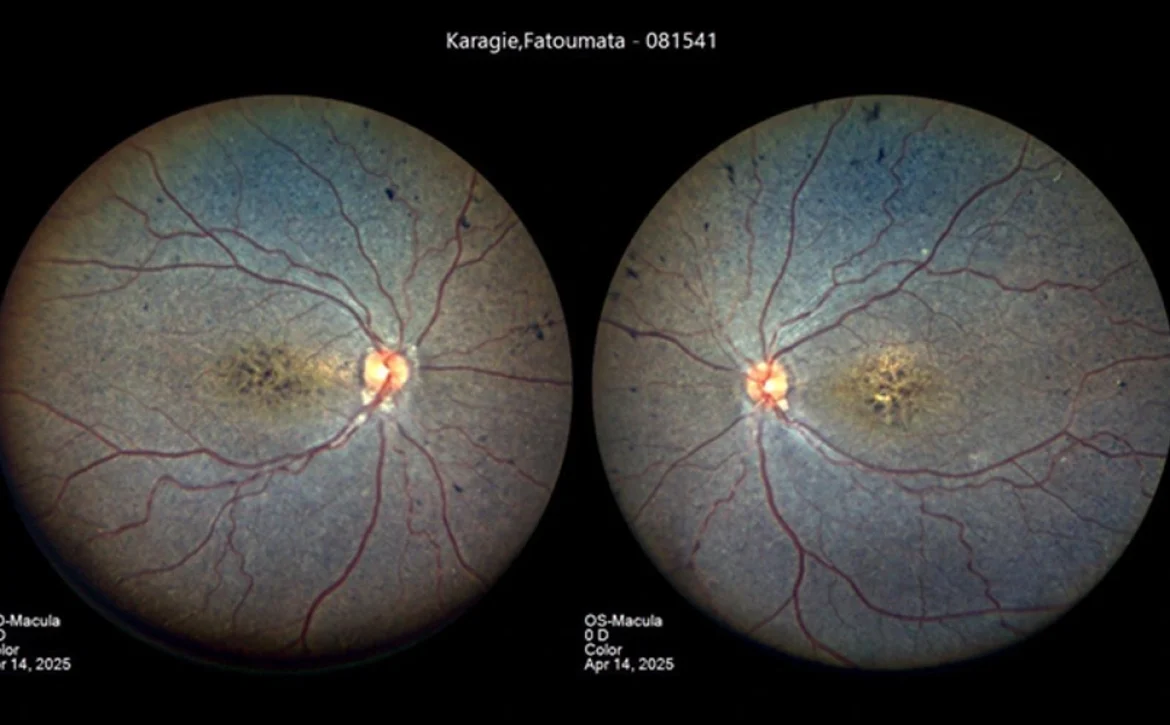
Image analysis for retinal images has been an active subject of research over the last couple of decades. With the popularity of mydriatic and non-mydriatic digital imaging cameras, color fundus photographs have become essential part of standard retinal exam. Advances in image analysis, pattern recognition, and machine learning have opened up a great opportunity to enhance the clinical care available to patients suffering for retinal diseases such as diabetic retinopathy, age related macular degeneration, hypertensive retinopathy, and glaucoma.

Rceenetworks logo

RCEENetworks’ Optometry & Ophthalmology software boosts accuracy, efficiency, and patient care for eye care professionals.

Eye care professional showing a patient a report beside an Optos imaging machine.

RCEENETWORKSTM is developing exciting new technologies to detect various lesions related to retinal diseases such as diabetic retinopathy (DR), age related macular degeneration (ARMD), Glaucoma, Edema – to name a few. RCEENETWORKSTM engineers have deep understanding of image processing theory and have leveraged this experience to create intelligent AI models. In addition, they combine the AI image analysis output with patient’s medical data to increase diagnostic accuracy to the highest level. Watch this space for the release of our next generation imaging analysis system – RetinaWiseAI .
Retinal image analysis using AI technology
READ MORE
HealthLearning
Umesh Kumar KhiriNovember 13, 2025 0 Comments
Share article:TwitterFacebookLinkedin
27 Views
14 Likes

Revolutionizing Vision Care: AI-Powered Diagnosis of Rod-Cone Dystrophy

Diagnosis: Cone-Rod Dystrophy (CRD)

Observed Features:

  • Macular pigmentary changes (mottling and granularity) in both eyes.
  • Slightly reduced fundus view clarity.

Reasoning:

Quality Assessment: The image quality is slightly grainy and has a somewhat washed-out appearance, possibly indicating mild media opacity like a subtle cataract, which marginally reduces fundus clarity.

Systematic Inspection:

Optic Disc Examination:

The optic discs appear normal in terms of cup-to-disc ratio and neuroretinal rim. No signs of optic disc hemorrhages or notching are visible.

Macular Examination:

In both eyes, there is a noticeable abnormality in the macula. We observe pigmentary changes described as mottling and granularity within the macular region. There is no clear evidence of drusen, hemorrhages,or exudates typically associated with AMD or DR. Macular edema is not suggested by the absence of macular thickening or cystoid spaces.

Retinal Vessel Examination:

The retinal vessels appear generally normal. There are no signs of microaneurysms, hemorrhages, cotton wool spots, venous beading, IRMA, or neovascularization, which are key features of DiabeticRetinopathy. Vessel caliber seems within normal limits.

Differential Diagnosis:

Diabetic Retinopathy (DR):

Ruled out due to the absence of microaneurysms,hemorrhages, exudates, and neovascularization. Age-Related Macular Degeneration (AMD): Less likely as typical drusen are not clearly observed. While pigmentary changes are present, the pattern is more of a diffuse mottling and granularity rather than the typical drusen or geographic atrophy of AMD. Wet AMD features are absent.

Glaucoma:

Ruled out as the optic discs appear normal, with no signs of increased CDR, rim thinning, or disc hemorrhages.

Macular Edema:

Not indicated due to the lack of macular thickening, cystoid spaces, or associated exudates.

Cataract:

Mild cataract may be present, indicated by the slight reduction in image clarity, but it’s not the primary finding.

Cone-Rod Dystrophy (CRD):

The observed macular pigmentary changes, specifically the mottling and granularity, are consistent with macular atrophy, a key feature of Cone-Rod Dystrophy. This, in the absence of strong indicators for other conditions, makes CRD the most probable diagnosis based on these images.

Conclusion:

Based on the macular pigmentary changes (mottling and granularity) and the exclusion of other more common retinal conditions based on feature absence, Cone-Rod Dystrophy is the most likely diagnosis. The mild reduction in fundus clarity could be due to a subtle cataract, but this is considered a secondary finding compared to the macular pathology.
Courtesy – Dennis West.

READ MORE
Health
Umesh Kumar KhiriNovember 6, 2025 0 Comments
Share article:TwitterFacebookLinkedin
29 Views
8 Likes

RCEENETWORKS LLC – AI-powered retinal image analysis

Key Features:

  • Ensures GDPR compliance with secure and pseudonymized patient data processing.Utilizes advanced deep learning algorithms for precise retinal image assessment.
  • Delivers analysis results in approximately one minute.
  • Aligns with international standards, including ICDR and AREDS.
  • Compatible with all major fundus cameras and adaptable to various clinical workflows.

Table of Contents

  • Key Features:
  • RetinaWiseAI
  • Revolutionizing retinal eye care with AI-powered image analysis
  • Harnessing AI for better outcomes
  • Efficient workflow with RetinaWiseAI
  • Seamless integration
    • Speeding up your workflow
    • Early Detection of Retinal Diseases
    • Instrument Integration

RetinaWiseAI

RetinaWiseAI is an AI-powered software solution designed to analyze color fundus images for the early detection of vision-threatening conditions such as diabetic retinopathy (DR), age-related macular degeneration (AMD), and glaucoma. This solution leverages advanced deep learning and computer vision technologies to provide accurate and reliable analysis results.

Revolutionizing retinal eye care with AI-powered image analysis

RetinaWiseAI transforms retinal disease detection by harnessing AI-driven image analysis to support healthcare professionals in identifying vision-threatening conditions. It delivers accurate, reliable results that enhance clinical decision-making.
By integrating detail-rich confocal fundus imaging and cutting-edge AI-powered retinal image analysis, the RCEENETWORKS screening solution streamlines workflows, enhances diagnostic accuracy, and improves the patient care journey.

Harnessing AI for better outcomes

Retinal diseases account for up to 80% of preventable blindness cases, with global vision loss costs approaching $3 trillion annually. Early detection is critical. RCEENETWORKS’s AI-driven analysis transforms retinal image interpretation by delivering intuitive reports that help healthcare professionals make informed decisions quickly and accurately, improving patient outcomes and engagement.

Efficient workflow with RetinaWiseAI

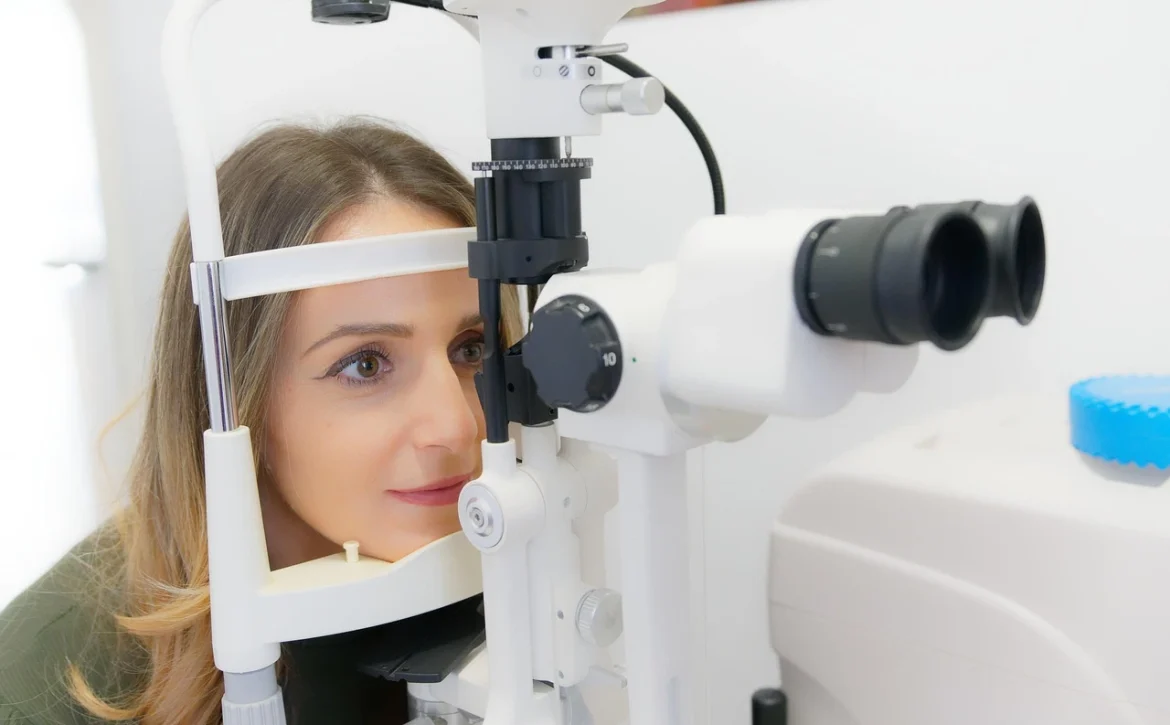
Optometrist performing eye examination using slit lamp on a patient.

Quick image capture:
Digital color fundus cameras acquire images in seconds.
Automated analysis:
AI processes images, generating scores and heat maps requiring only few seconds of computing time
GDPR compliance:
Patient data is pseudonymized for secure handling.
Accessible reports and EMR Integration:
Results integrate directly into existing EMR software.

Seamless integration

RetinaWiseAI is compatible with all major fundus camera vendors, ensuring versatility in diverse clinical and optical settings. While its adaptability extends to various imaging devices. RetinawiseAI redefine the possibilities of remote retinal screening, offering consistent performance and better patient care.
With RetinaWiseAI, eye care specialists gain an advanced tool for safeguarding vision, streamlining workflows, and enhancing the patient care journey—while the final diagnosis remains in the hands of the doctor.

Speeding up your workflow

With artificial intelligence, healthcare organizations can conduct large-scale eye screenings efficiently and accurately. RCEENETWORKS deliver results that match—or even surpass—traditional vision screening methods in reliability. By instantly analyzing every patient’s retinal image using clinically validated software trained to detect disease patterns, RetinaWiseAI empowers fast, precise, and scalable screening for entire populations.

Early Detection of Retinal Diseases

Using artificial intelligence, opticians can now detect early signs of age-related macular degeneration, diabetic retinopathy and glaucoma, enabling faster diagnosis. RetinaWiseAI, combined with fundus imaging, delivers reliable and consistent performance regardless of workload or time of day. With AI-powered precision, disease detection takes only a few minutes, providing validated, actionable results instantly.

Instrument Integration

RetinaWiseAI seamlessly integrates into clinic-specific workflows, reducing workloads for certified eye care specialists and enhancing clinical capacity. By enabling faster and objective prioritization of patients requiring immediate follow-up RCEENETWORKS LLC transforms eye care. Ophthalmologists can now identify severe symptoms more efficiently, helping more patients receive timely, life-changing care.

READ MORE
Health
Umesh Kumar KhiriOctober 29, 2025 0 Comments
Share article:TwitterFacebookLinkedin
35 Views
10 Likes

Unlocking Efficiency in Ophthalmology ASCs with RetinaWise AI

In ophthalmology, every surgical day runs on tight schedules and tighter margins. A single missed clearance, outdated allergy list, or unconfirmed plan can ripple across an entire surgical block. This derails case flow, wastes staff time, and frustrates patients.

Yet for many ASCs, surgical coordination still relies on a fragile mix of paper packets, spreadsheets, email threads, and verbal updates. Staff manually re-enter data between systems. Tasks are tracked in silos. And coordination depends more on memory and hallway conversations than on system reliability.

This isn’t just inefficient. It’s unsustainable.

Table of Contents

  • The Cost of Surgical Inefficiency
  • Where Current Systems Fall Short
  • What True Integration Looks Like
  • Why Integration Matters
  • Introducing RetinaWise AI
  • The Gains from AI-Driven Integration
  • Why RetinaWise AI is Different
  • Build a Scalable Future for Your ASC

The Cost of Surgical Inefficiency

Surgical days should run on precision, but for many ophthalmology practices, they run on patchwork. Coordinators print out paper forms. Nurses check with the front desk about clearances. Surgical techs search email threads or spreadsheets for missing information.

These manual workarounds aren’t just inefficient—they create risk. The disconnect between systems forces staff to double-check what should already be clear, slowing down patient flow and increasing pressure across the board.

In ophthalmology, where surgical volume is high and timelines are tight, the margin for error is slim. Each denied surgical claim can cost $300–$600 to rework. With a 5–10% denial rate due to documentation issues, these inefficiencies have real financial impact.

Where Current Systems Fall Short

Most ASCs use a combination of EHRs, spreadsheets, paper packets, and phone calls to coordinate care. These systems rarely talk to each other. When data needs to be shared, it’s re-entered manually or confirmed verbally—introducing errors.

  • This fragmentation means:
  • No single source of truth for the surgical schedule
  • Staff forced to track details by memory or silos
  • Surgeons walk into cases with incomplete or outdated plans
  • Nurses delay prep while waiting for verbal confirmation
  • Schedulers rearrange blocks manually like a game of Tetris

As surgical volume grows, cracks in the system widen. Without integration, ASCs hit a ceiling—they cannot scale without overwhelming their teams.

What True Integration Looks Like

Integration means systems that share data instantly and accurately across departments. In a fully integrated ASC:

  • Data entered once populates everywhere it’s needed
  • Clearances sync automatically from the EHR to the surgical schedule
  • Consent forms, pre-op readiness, and post-op notes update in real time
  • Clinics can submit ASC scheduling requests directly

Instead of people acting as bridges between tools, the system itself ensures clarity, visibility, and accountability.

Why Integration Matters

When workflows are fragmented, the costs are real:

  • Staff burnout rises as nurses and admins chase paperwork instead of patients
  • Patient experience suffers from delays, repeated questions, and disorganization
  • Revenue is lost every time a case is delayed, canceled, or underutilized

You can’t grow surgical volume on a workflow that breaks under pressure. Integration is the infrastructure your ASC needs to deliver precision at scale.

Introducing RetinaWise AI

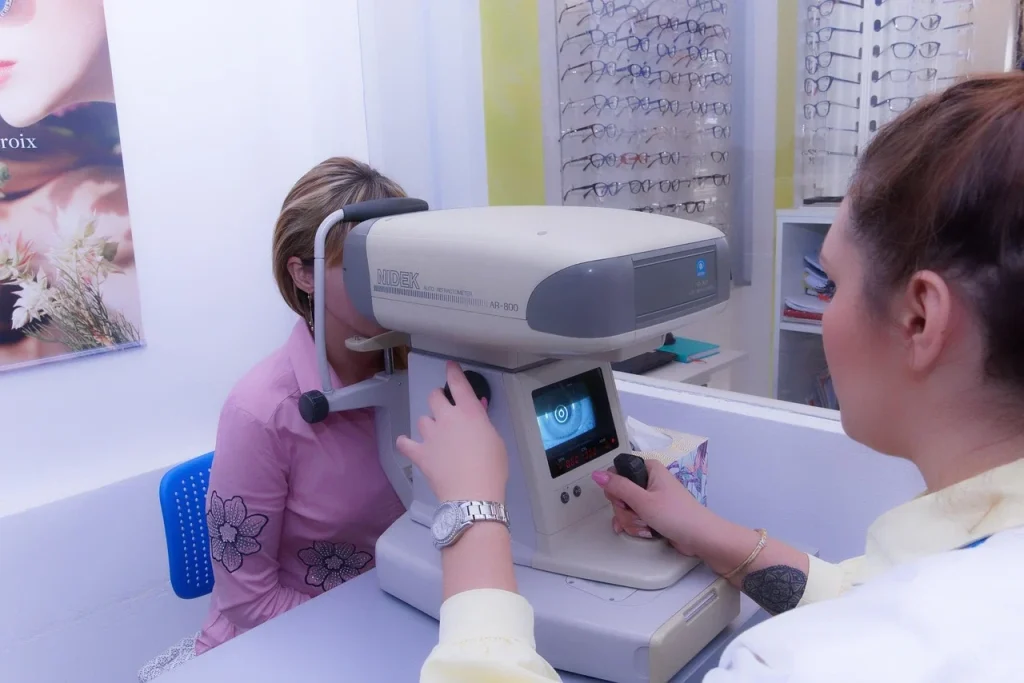
A woman is seated at an eye exam machine, adjusting her position for a vision test.

RetinaWise AI is designed to solve these very challenges for ophthalmology ASCs. Unlike generic tools, it’s built for the unique demands of cataract, retina, glaucoma, and corneal surgery workflows.

  • With RetinaWise AI, practices can:
  • Eliminate redundant data entry across systems
  • Ensure clearances, consents, and surgical plans sync automatically
  • Gain real-time visibility into every case’s readiness
  • Track pre-op, intra-op, and post-op workflows from one interface
  • Reduce admin overhead while increasing throughput

The Gains from AI-Driven Integration

Adopting RetinaWise AI produces measurable improvements:

  • Recovered Lost Case Volume – Prevent cancellations and delays caused by missing documentation, recapturing up to $150,000 annually.
  • Increased Throughput Without Adding Staff – Add 1–2 more cases per OR day, driving $400,000–$800,000 in additional revenue.
  • Reduced Admin and Overtime Costs – Save 8–10 hours per week of manual tracking and coordination, freeing staff to focus on patients.
  • Improved Surgeon Efficiency – Minimize idle time, protecting $75,000–$100,000 annually in lost clinical productivity.

Why RetinaWise AI is Different

  • Purpose-built for ophthalmology – Designed around real-world surgical workflows, not generic templates
  • Seamless integration – Connects with EHR and admin systems for end-to-end workflow visibility
  • Rapid adoption – Built to match how ophthalmology staff already work, reducing training time
  • Scalable by design – Supports higher surgical volumes without burning out staff
  • This isn’t just an efficiency upgrade—it’s the foundation for scalable, reliable surgical operations.

Build a Scalable Future for Your ASC

For ophthalmology practices, ASC integration isn’t optional. It’s the difference between running at 80% capacity with constant friction—or running at full precision, with room to grow.

RetinaWise AI provides the infrastructure for surgical reliability, efficiency, and growth.
Learn more about how RetinaWise AI can transform your surgical workflows: https://retinawiseai.com/ or Request a Free Demo

READ MORE
Education
Umesh Kumar KhiriOctober 28, 2025 0 Comments
Share article:TwitterFacebookLinkedin
40 Views
10 Likes

How to Improve Patient Satisfaction in Your Eye Care Practice

Patient satisfaction is more than just quality treatment—it’s about the overall experience. From the moment a patient enters your office to the time they leave, every interaction matters. Communication, convenience, comfort, and technology all play a role in how patients view your practice and whether they recommend it to others.
In this article, we’ll walk through actionable strategies that help ophthalmology and optometry practices exceed patient expectations, foster loyalty, and create a welcoming, efficient environment.

Table of Contents

  • Why Patient Satisfaction Matters in Eye Care
  • Create a Welcoming Environment
  • Communicate Clearly and Educate Patients
  • Leverage Technology to Enhance Convenience
  • Train Staff to Elevate the Patient Experience
  • Track Progress with Patient Feedback
  • Put Patient Satisfaction First with RCEENetworks LLC

Why Patient Satisfaction Matters in Eye Care

A great patient experience goes beyond the exam room. In fact:
“Patients who feel valued and comfortable are more likely to trust your care, return for follow-ups, and recommend your services.”
Tweet
By prioritizing transparency, convenience, and empathy, your practice can build long-term trust while improving outcomes.

Create a Welcoming Environment

The first impression matters. Patients form opinions about your practice the moment they walk in.

  • Comfortable seating and a clean, organized space set the tone.
  • Adequate lighting in waiting and exam rooms improves comfort.
  • Calming touches—like soft music or serene visuals—help reduce anxiety.
  • A friendly, attentive front desk team makes patients feel at ease.

These details might seem small, but together they transform the patient experience.

Communicate Clearly and Educate Patients

A female doctor converses with an elderly woman in a medical office, discussing health concerns
  • Simplify medical jargon. Use clear, straightforward language when explaining conditions or treatments.
  • Listen actively. Patients who feel heard and respected are more likely to trust your expertise.
  • Provide clear instructions. Offer step-by-step treatment plans and supplement with print or digital take-home summaries.

This approach ensures patients leave confident, informed, and reassured about their care.

Leverage Technology to Enhance Convenience

Modern patients expect digital convenience—and eye care practices can meet this need through smart technology:

  • Patient portals allow patients to view records, manage appointments, and handle billing anytime.
  • Online booking and scheduling reduce wait times and offer flexibility.
  • Automated reminders (via text or email) minimize missed appointments and last-minute cancellations.

These tools not only streamline operations but also empower patients to take an active role in their eye health.

Train Staff to Elevate the Patient Experience

Your team is at the heart of your practice’s reputation.

  • Front desk staff set the tone with warm greetings and efficient service.
  • Ongoing training (via webinars, workshops, or industry events) keeps staff prepared for evolving patient needs.
  • Empathy and professionalism in every interaction build lasting trust.

When staff feel confident and supported, patients feel it too.

Track Progress with Patient Feedback

Improvement requires measurement. Setting benchmarks—such as reducing wait times or boosting feedback scores—helps track success.

  • Use surveys and feedback forms to collect patient insights.
  • Look for recurring concerns and patterns.
  • Show patients their input matters by implementing changes based on feedback.

This proactive approach demonstrates your commitment to continuous improvement and patient care.

Put Patient Satisfaction First with RCEENetworks LLC

Improving patient satisfaction is an ongoing journey—but the payoff is worth it. A welcoming atmosphere, clear communication, smart technology, and well-trained staff all contribute to an exceptional experience.

At RCEENetworks LLC, we partner with eye care practices to streamline operations, optimize patient communication, and implement cutting-edge solutions that improve both efficiency and satisfaction.

Discover how RCEENetworks LLC can help your practice exceed patient expectations and build long-lasting patient relationships.

READ MORE

Recent Posts

  • RETINAL IMAGE ANALYSIS USING AI TECHNOLOGY AT RCEENETWORKS
  • Revolutionizing Vision Care: AI-Powered Diagnosis of Rod-Cone Dystrophy
  • AI makes retinal imaging 100 times faster, compared to manual method
  • Artificial intelligence: the Unstoppable Revolution in Optometry and Ophthalmology
  • Progress in AI for Retinal Image Analysis

Recent Comments

  1. Fred Hyman on Yellow Cap
  2. Fred Hyman on T-Shirt Full Hand
  3. Fred Hyman on Yellow Cap
  4. Randal Gray on Black T-Shirt
  5. John Harris on Black T-Shirt

Archives

  • November 2025
  • October 2025
  • April 2021
  • March 2021
  • September 2020
  • April 2020

Categories

  • Business
  • Education
  • Finance
  • Health
  • Learning
  • Lifestyle
  • Students
  • Uncategorized
Recent Posts
  • RETINAL IMAGE ANALYSIS USING AI TECHNOLOGY AT RCEENETWORKS
    RETINAL IMAGE ANALYSIS USING AI TECHNOLOGY AT RCEENETWORKS
    November 14, 2025
  • Revolutionizing Vision Care: AI-Powered Diagnosis of Rod-Cone Dystrophy
    Revolutionizing Vision Care: AI-Powered Diagnosis of Rod-Cone Dystrophy
    November 13, 2025
  • AI makes retinal imaging 100 times faster, compared to manual method
    AI makes retinal imaging 100 times faster, compared to manual method
    November 11, 2025
Categories
  • Business2
  • Education6
  • Finance5
  • Health9
  • Learning4
  • Lifestyle3
  • Students3
  • Uncategorized4
Tags
balance coach coaching courses education eye care lifeguide motivation Ophthalmic Ophthalmology optometrist strategy
logotype

+1-844-2-THEOWL (+1 844 284-3695)‬

info@rceenetworks.com

3010 LBJ Freeway, Suite 1200, Dallas, Texas 75234

Menu

Home Services

ProductBlog

Contact

Other Links

RetinaWise AIPrivacy PolicyContent PolicyTerms & Conditions

Social Links

TwitterFacebookInstagramLinkedin

Copyright © 2025 RCEENetworks LLC. All Rights Reserved