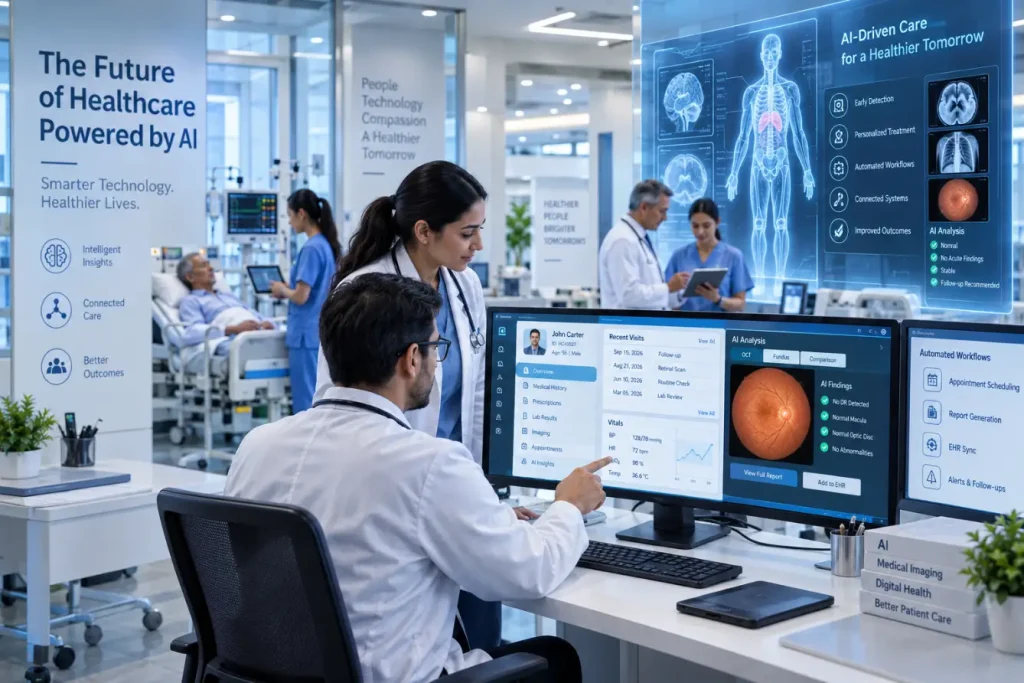
Healthcare depends on accurate information, reliable systems, and tools that help medical professionals do their work efficiently. As hospitals, clinics, diagnostic centers, and medical technology companies adopt digital systems, the need for specialized healthcare software has also increased.
Key Takeaways
- Medical software experts combine healthcare and technology knowledge.
- They help develop secure, reliable, and practical medical software.
- Their work can support imaging, patient management, and clinical workflows.
- Proper testing and healthcare expertise are essential for medical software.
This is where a medical software expert becomes important. These professionals understand both software development and the specific requirements of the healthcare sector. Their role is not limited to writing code. They help make sure that software fits clinical workflows, protects sensitive information, and works reliably in real healthcare settings.
What Is a Medical Software Expert?
A medical software expert is a professional who specializes in developing, evaluating, integrating, or managing software used in healthcare and medical applications.
They may work on software for:
- Hospitals and healthcare facilities
- Diagnostic laboratories
- Medical imaging
- Telemedicine
- Patient management
- Electronic health records
- Medical devices
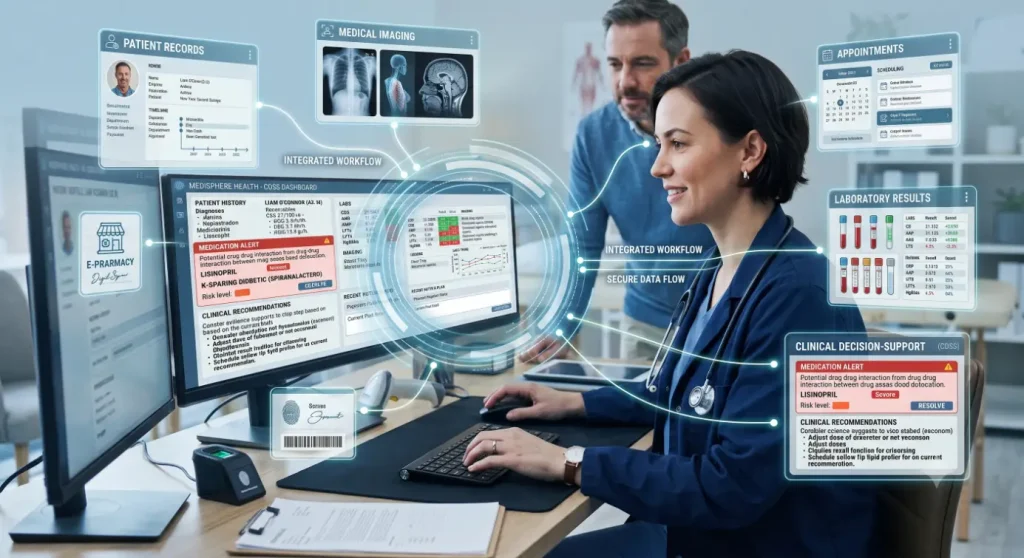
- Clinical decision-support
- Healthcare data and analytics
The exact role can vary depending on the project. Some experts focus on development, while others work on software architecture, testing, integration, compliance, or product design.
Why Healthcare Needs Specialized Software Expertise
Healthcare software has requirements that are often different from those of ordinary business applications. A system may handle patient information, medical images, laboratory results, or information used by clinicians when making decisions.
A medical software expert considers these factors from the beginning of a project.
For example, software used in a hospital should allow authorized staff to find relevant information without unnecessary steps. At the same time, access to sensitive information must be properly controlled.
Good medical software should therefore be:
- Easy for healthcare professionals to use
- Reliable during routine and critical workflows
- Designed with data privacy in mind
- Compatible with relevant healthcare systems
- Properly tested before deployment
- Suitable for its intended clinical purpose
Also Read: Cloud Medical Software
What Does a Medical Software Expert Do?
The responsibilities depend on the type of project, but commonly include:
1. Understanding Healthcare Requirements
Before development begins, the expert studies how doctors, nurses, technicians, administrators, or patients will use the system. This helps prevent a common problem: building technically capable software that does not fit the actual workflow.
2. Designing Medical Software
They help plan the application’s features, database structure, user interface, security controls, and overall architecture.
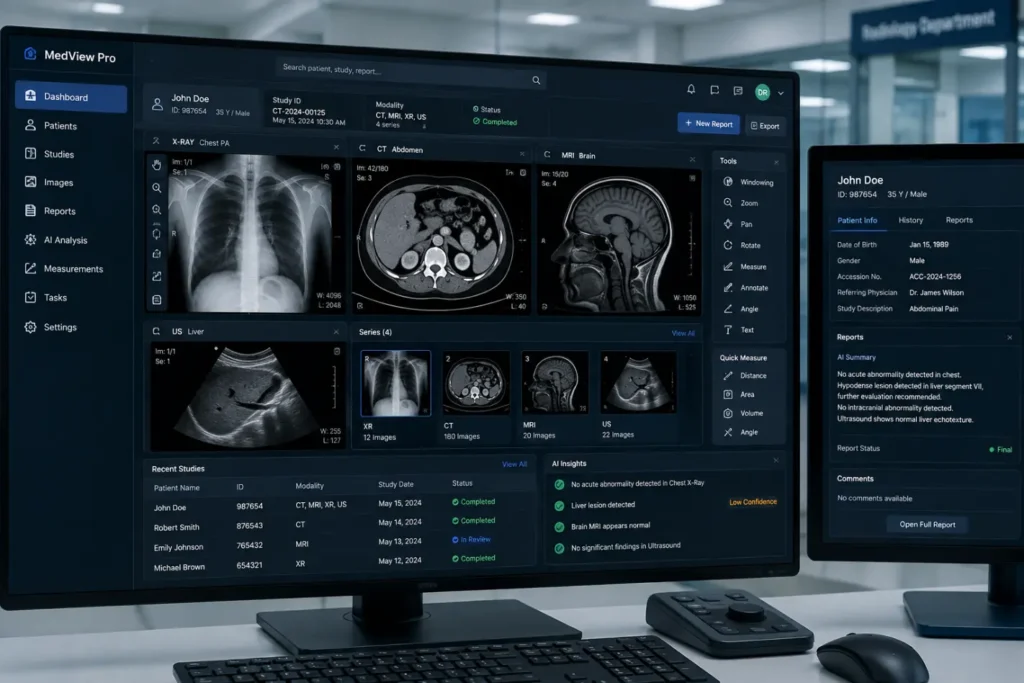
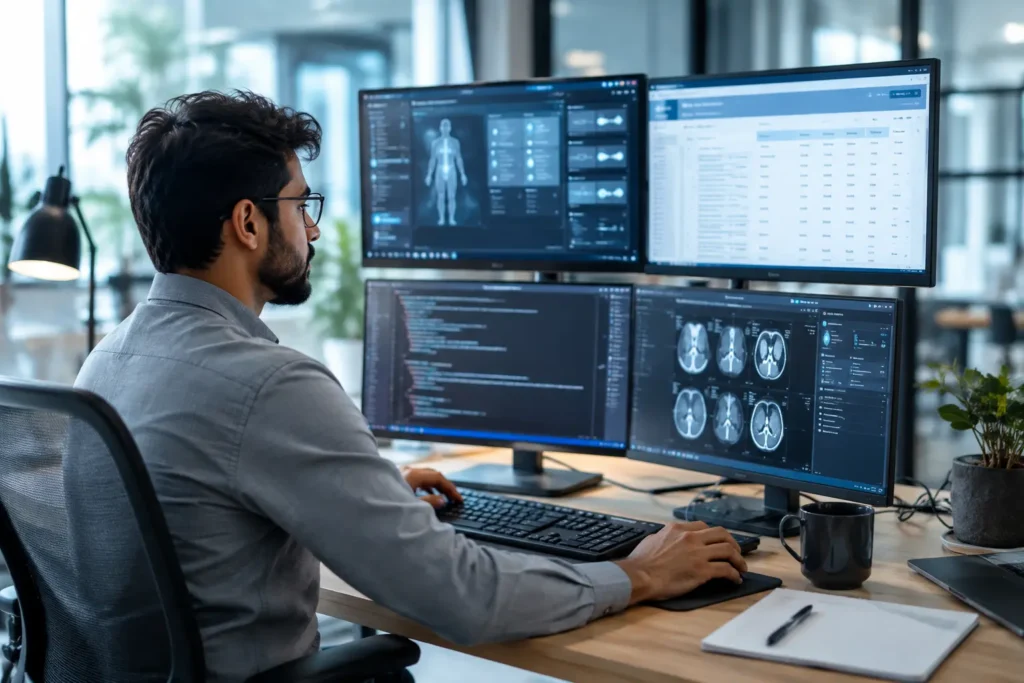
3. Supporting Medical Imaging
Medical software may be used to store, display, process, or analyze images from technologies such as:
- X-ray
- CT
- MRI
- Ultrasound
- Fundus photography
- OCT
In some applications, software can also support image analysis and help clinicians identify findings that may require further assessment.
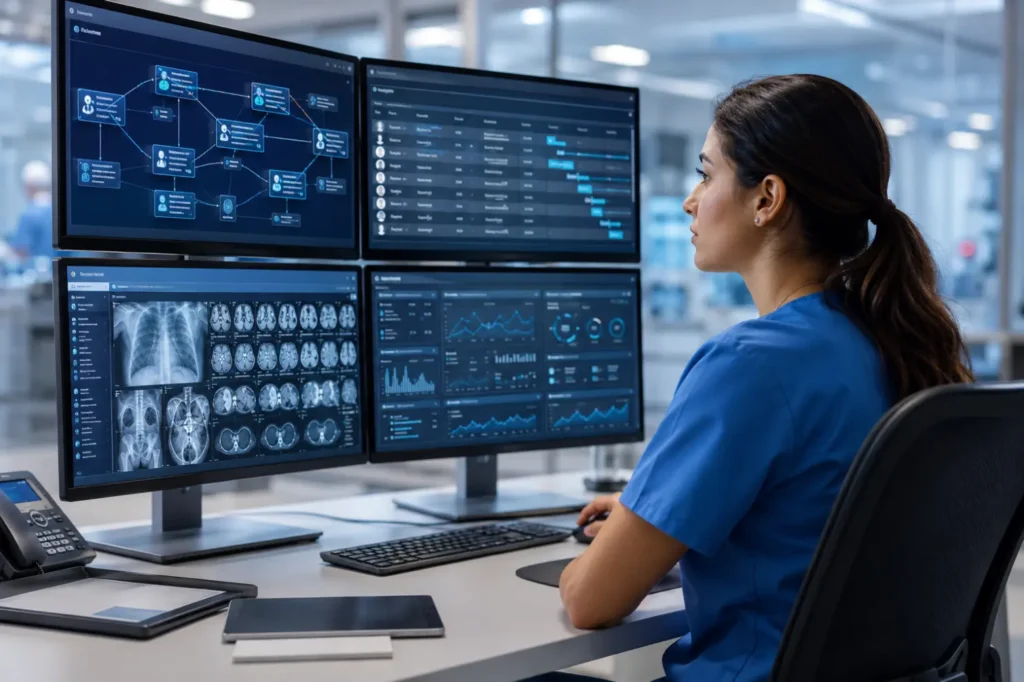
4. Integrating Healthcare Systems
Healthcare organizations often use several systems at the same time. A medical software expert can help connect applications so that relevant information can be exchanged appropriately.
This may involve electronic health records, laboratory systems, medical imaging platforms, patient portals, and medical devices.
Also Read:Medical Software Expert
5. Testing and Quality Assurance
Testing is especially important when software is used in healthcare. Experts may evaluate functionality, security, usability, performance, and reliability before the software is introduced into a clinical environment.
Medical Software Expert vs. General Software Developer
| Area | General Software Developer | Medical Software Expert |
|---|---|---|
| Main focus | Software development | Healthcare-focused software |
| Industry knowledge | General | Healthcare and clinical workflows |
| Data handling | General data | Sensitive health information |
| Integration | Standard systems | Healthcare systems and devices |
| Testing | Application functionality | Functionality, reliability, usability, and healthcare-specific requirements |
| Clinical context | Usually limited | Considered during development |
A general developer can have strong technical skills, but healthcare projects often require additional knowledge of the environment in which the software will be used.
How to Choose a Medical Software Expert
When selecting an expert or development partner, consider:
- Previous healthcare software experience
- Understanding of clinical workflows
- Experience with medical imaging, if relevant
- Knowledge of healthcare data security
- Experience with system integration
- Software testing and validation practices
- Understanding of applicable regulatory requirements
- Ability to explain technical issues clearly
It is also useful to ask about previous projects and how the team handled testing, security, user feedback, and changes in requirements.
The Role of Medical Software in Modern Healthcare
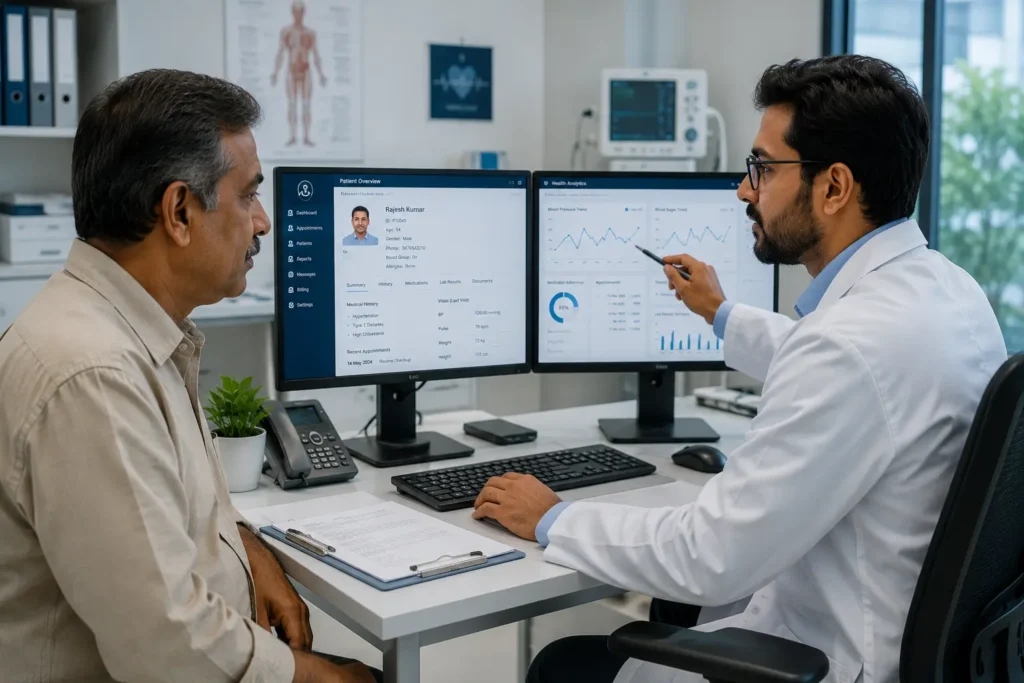
Medical software is becoming part of everyday healthcare, from digital patient records to remote consultations and imaging applications. The value of these systems depends on how well they address real problems.
A medical software expert helps connect technical development with practical healthcare needs. The objective is not simply to add more technology, but to create software that healthcare professionals can understand, trust, and use appropriately.
Also Read:https://www.rceenetworks.com/fda-software-as-a-medical-device-guidance/
Frequently Asked Questions
What is a medical software expert?
A medical software expert specializes in software designed for healthcare, medical devices, clinical workflows, diagnostics, medical imaging, or related applications.
Can a medical software expert develop hospital software?
Yes. They can contribute to hospital management systems, patient management platforms, electronic health records, clinical applications, and other healthcare software.
Why is medical software testing important?
Healthcare software can handle sensitive information or support clinical activities. Proper testing helps identify functional, security, usability, and reliability problems before the system is used.
Does medical software use AI?
Some medical software includes AI-powered clinical decision-support for tasks such as medical image analysis, screening, or risk assessment. Such tools are intended to support qualified healthcare professionals rather than replace clinical judgment.
What should a healthcare company consider before hiring an expert?
Look at healthcare experience, technical skills, security knowledge, integration capabilities, testing practices, and familiarity with the requirements relevant to the intended use of the software.