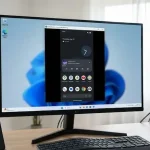
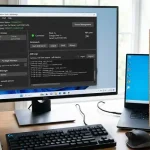
Android USB debugging software is a category of tools that enables communication between Android devices and computers through USB debugging mode. It is commonly used for app testing, ADB commands, firmware flashing, log monitoring, and device troubleshooting. USB debugging is part of Android Developer Options and is important for developers, repair technicians, and advanced Android users who require direct system access.
Key Takeaways
- Android USB debugging software enables device-to-PC communication.
- ADB is the standard Android debugging utility.
- USB debugging supports app testing, diagnostics, and firmware tasks.
- Driver compatibility is critical for successful device detection.
- Official Android SDK Platform-Tools are recommended for secure debugging.
- Windows systems often require updated OEM USB drivers.
How Android USB Debugging Software Helps Test and Debug Devices
Android USB debugging software allows developers and technicians to access Android devices through a secure debugging interface. The software works with Android Debug Bridge (ADB), which is included in Android SDK Platform-Tools.
Common functions include:
- Installing APK files from a PC
- Monitoring device logs
- Running ADB shell commands
- Testing applications before release
- Recovering devices during troubleshooting
- Transferring debugging data between systems
Typical Device Testing Tasks
| Task | Purpose |
| App debugging | Detect application errors |
| USB communication testing | Verify device connectivity |
| Logcat monitoring | Review runtime logs |
| Firmware diagnostics | Analyze system-level faults |
| Device authorization | Secure PC-device pairing |
Android Debug Bridge, Android SDK Platform-Tools, Android platform-tools download, and ADB download are commonly discussed alongside Android device diagnostics and developer testing workflows.
USB Debugging Software for Windows: Features and Compatibility
Windows-compatible Android USB debugging software usually includes USB drivers, ADB binaries, and debugging interfaces designed for Android smartphones and tablets.
Important compatibility features include:
- Support for Windows 10 and Windows 11
- OEM USB driver integration
- Fastboot compatibility
- Device authentication support
- Command-line and GUI operation modes
Most Android debugging utilities support Samsung, Xiaomi, Motorola, OnePlus, and Google Pixel devices.
How to Enable USB Debugging from a PC Using Android Software
Android USB debugging software requires USB debugging mode to be enabled manually on the device.
Steps to Enable USB Debugging
- Open Settings
- Tap About Phone
- Select Build Number seven times
- Open Developer Options
- Enable USB Debugging
- Connect the device to a PC
- Accept the RSA authorization prompt
Users searching for how to enable USB debugging on Android or how to disable USB debugging on Android phone usually follow this same developer settings workflow.
USB Debugging PC Software Free Download: What to Look For
USB debugging PC software should prioritize security, compatibility, and official Android support.
Important Selection Criteria
- Official ADB integration
- Verified USB drivers
- Secure device authorization
- Platform compatibility
- Regular software updates
Avoid unofficial utilities that request unnecessary device permissions or install bundled software.
Essential Software Debugging Tools and Techniques for Android USB Debugging
Android USB debugging software includes command-line utilities, device drivers, and graphical debugging applications. Most professional environments rely on ADB because it supports standardized Android debugging procedures.
Common Debugging Techniques
- USB device authorization
- Real-time log analysis
- Remote shell access
- APK deployment testing
- Performance monitoring
Frequently Used Tools
| Tool | Main Use |
| Android Debug Bridge (ADB) | Device communication |
| Android SDK Platform-Tools | Official debugging package |
| USB driver utilities | Device recognition |
| Logcat viewers | Runtime log analysis |
| Firmware recovery tools | Device maintenance |
Some enterprise environments also use serial debugging software and embedded debugging platforms for Android-based hardware systems.
Android Debug Bridge and Android SDK Platform-Tools Overview
Android Debug Bridge is the primary command-line tool used for Android debugging. It supports app installation, shell access, device diagnostics, and data transfer between computers and Android devices.
Android SDK Platform-Tools includes:
- ADB executable
- Fastboot utility
- USB debugging libraries
- Device communication modules
These tools are maintained through official Android developer resources.
Common USB Debugging Techniques Used in Android Development
Developers use Android USB debugging software to validate application behavior before deployment.
Common techniques include:
- Monitoring crash logs
- Testing API responses
- Measuring application performance
- Checking memory usage
- Simulating device commands
These practices help improve application reliability and system compatibility.
ADB Commands and Device Communication Methods
ADB commands allow direct communication between a computer and an Android device.
Common ADB Commands
| Command | Function |
| adb devices | Lists connected devices |
| adb install | Installs APK files |
| adb reboot | Restarts the device |
| adb logcat | Displays system logs |
| adb shell | Opens device shell access |
ADB communication typically requires authorized USB debugging access and compatible drivers.
Common Android USB Debugging Problems and Software Solutions
Android USB debugging software may fail because of driver conflicts, disabled developer settings, or incompatible USB configurations.
Common Problems
- Device not detected by PC
- Unauthorized ADB connection
- Missing USB drivers
- Faulty USB cable
- Unsupported operating system version
Recommended Solutions
- Enable Developer Options again
- Update Android USB drivers
- Install official platform-tools
- Change USB transfer mode to “File Transfer”
- Reauthorize the device connection
In Windows environments, driver signature enforcement and outdated OEM drivers are common causes of connection failure.
Why Android Devices Are Not Detected During USB Debugging
Android devices may fail to appear in debugging software because of damaged USB cables, outdated drivers, or disabled debugging permissions.
Recommended checks include:
- Replacing the USB cable
- Updating OEM drivers
- Restarting ADB services
- Reconnecting the device
- Switching USB connection modes
How to Fix Unauthorized ADB Connection Errors
Unauthorized ADB errors occur when a device has not approved the debugging connection request.
Fix Procedure
- Disconnect the USB cable
- Revoke USB debugging authorizations
- Reconnect the device
- Accept the RSA fingerprint prompt
- Restart ADB services if required
This process refreshes secure device authorization.
USB Driver Installation and Compatibility Troubleshooting
USB drivers are essential for stable Android debugging communication on Windows systems.
Important troubleshooting methods include:
- Installing official OEM drivers
- Updating Windows USB controller drivers
- Using Google USB Driver packages
- Disabling conflicting device managers
Correct driver installation improves ADB device recognition and debugging reliability.

Conclusion
Android USB debugging software remains an essential part of Android development, diagnostics, and device maintenance workflows. Standardized tools such as ADB and Android SDK Platform-Tools provide structured debugging environments for application testing, device communication, and firmware troubleshooting.
For users exploring alternative connection methods, related workflows may also include android screen share no usb debugging software for wireless device interaction and display management.
FAQ
What is Android USB debugging software?
Android USB debugging software enables communication between Android devices and computers for testing, diagnostics, and development tasks.
Is USB debugging safe for Android devices?
USB debugging is generally safe when enabled temporarily and used with trusted computers and official debugging tools.
What is ADB in Android debugging?
ADB, or Android Debug Bridge, is a command-line utility used for device communication, app installation, debugging, and system access.
Why is my Android phone not detected during USB debugging?
Common causes include outdated USB drivers, disabled Developer Options, faulty cables, or unauthorized ADB connections.
Can USB debugging work without Android Studio?
Yes. Android SDK Platform-Tools and standalone ADB packages allow USB debugging without installing Android Studio.
Sources
- https://play.google.com/store/apps/details?id=com.bluedragonfly.developeroptions&hl=en_IN
- https://developer.android.com/tools/adb
- https://usb-debugging.en.softonic.com/android
- https://dev.iridi.com/Android_USB_Debugging/en
- https://docs.kony.com/konylibrary/visualizer/visualizer_user_guide/Content/AndroidUSBDebugging_Windows10.htm
- https://play.google.com/store/apps/details?id=com.ds.usbdebug&hl=en_IN
- https://developer.android.com/studio/run/win-usb
- https://www.embedded.com/debugging-software-apps-for-android-based-designs-using-usb/