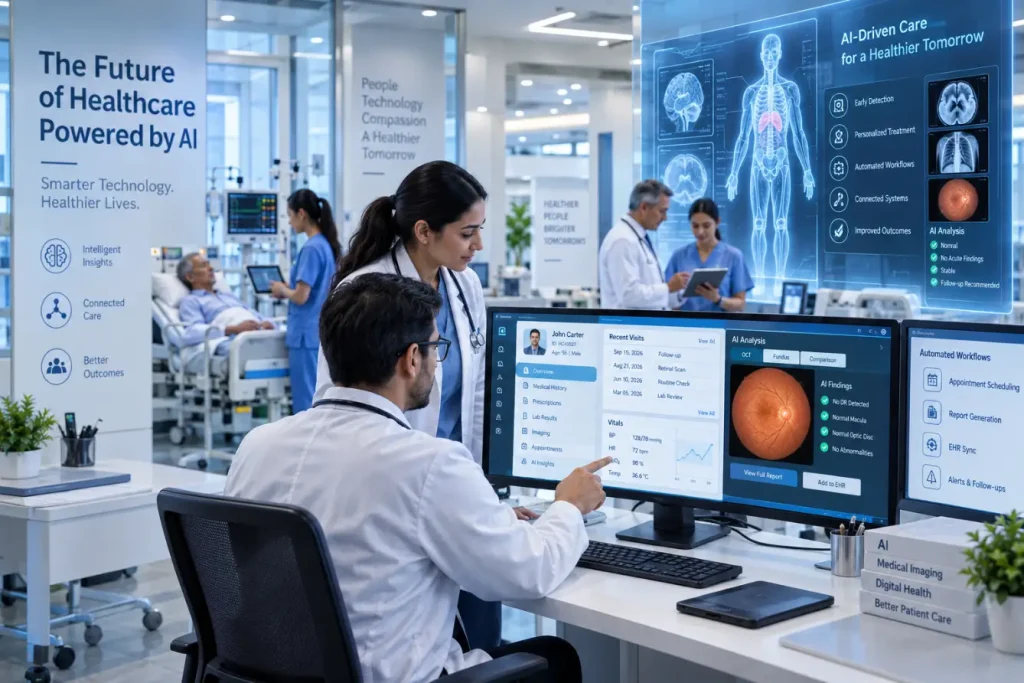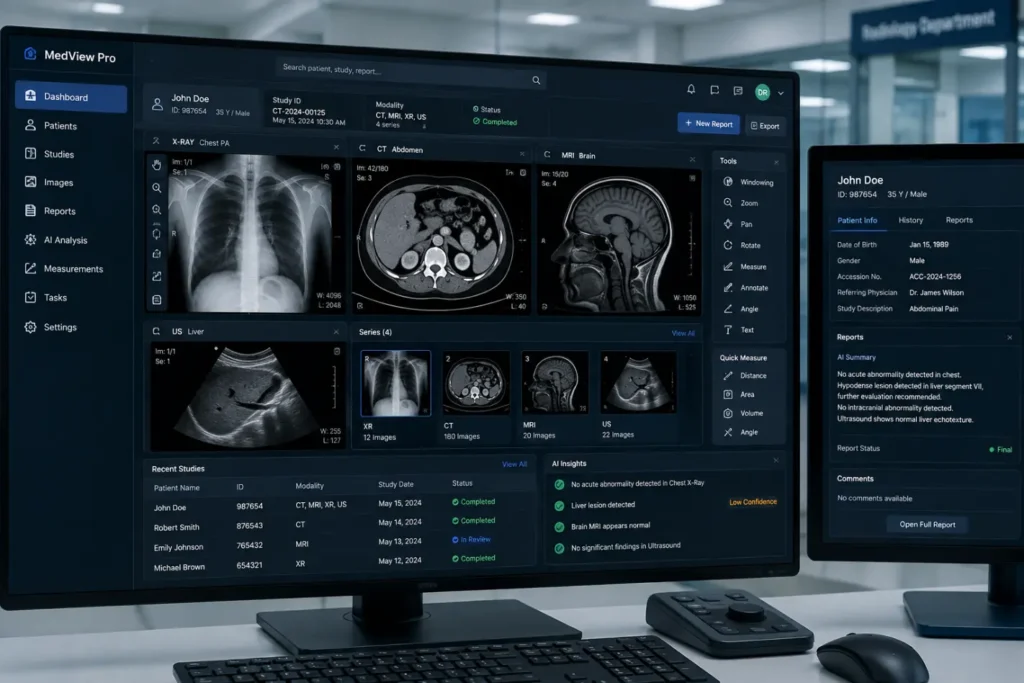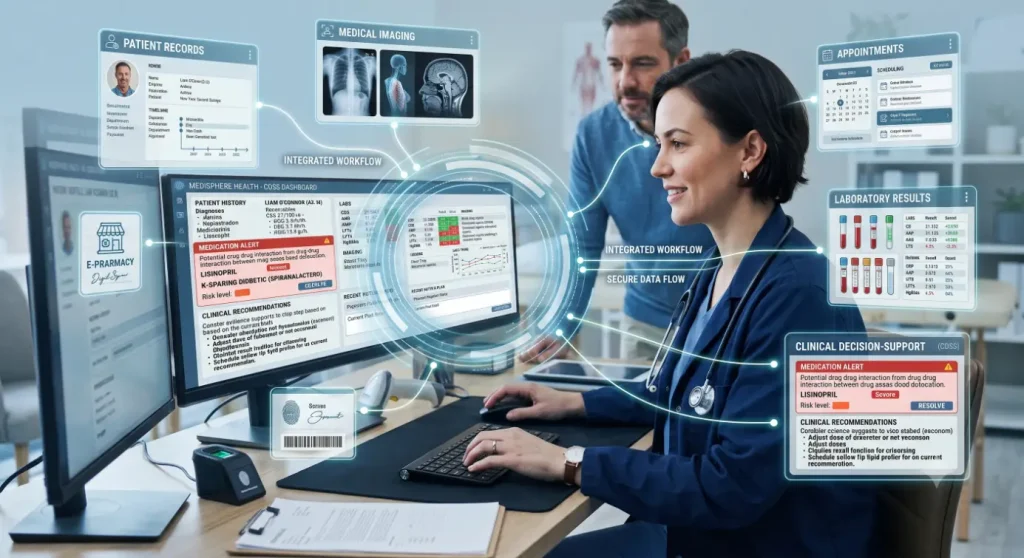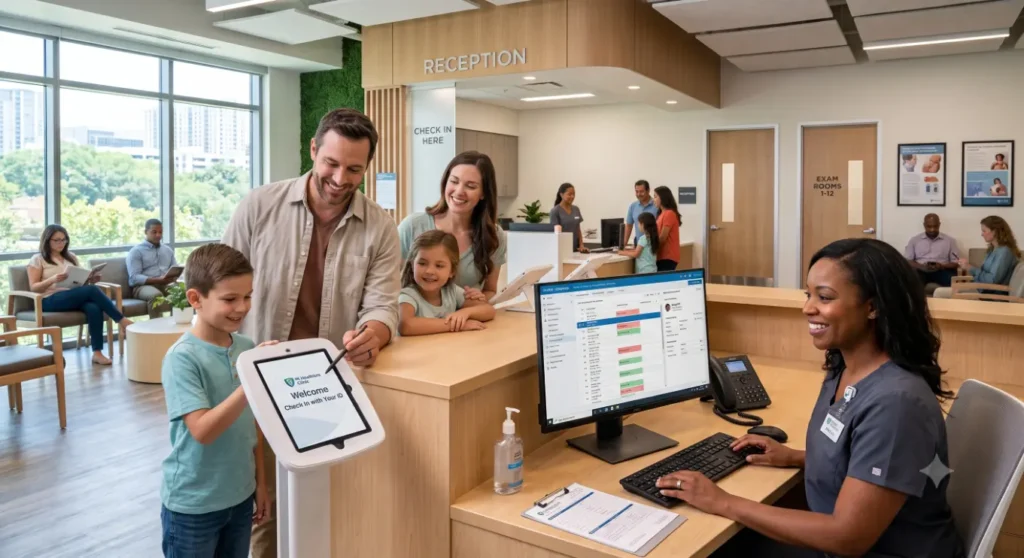
Healthcare providers today must balance excellent patient care with the growing demands of administrative management. From scheduling appointments and maintaining patient records to handling billing and insurance claims, daily operations involve numerous tasks that can consume valuable time. Managing these responsibilities manually often leads to delays, errors, and reduced productivity. This is where effective medical practice management software becomes an essential tool for modern healthcare organizations.
Key Takeaways
- Automates scheduling, billing, and patient management.
- Improves clinic efficiency and staff productivity.
- Enhances patient experience with streamlined workflows.
- Supports better financial management and practice growth.
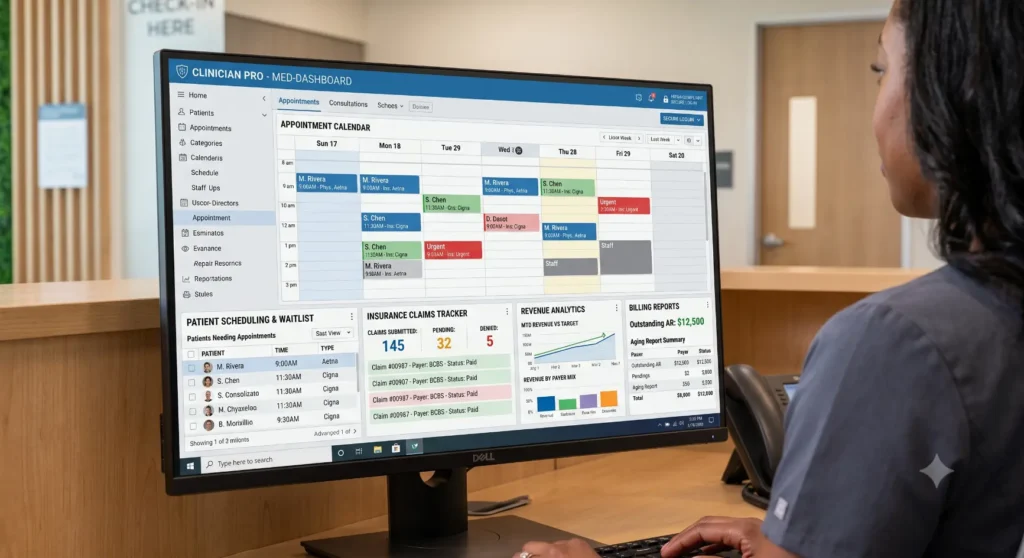
Medical practice management software is designed to simplify administrative workflows by bringing multiple functions into a single digital platform. It helps healthcare providers organize appointments, manage patient information, streamline billing, process insurance claims, and generate reports, allowing medical teams to spend more time caring for patients rather than handling paperwork.
Why Effective Medical Practice Management Software Matters?
As patient expectations continue to evolve, clinics are expected to provide quick, convenient, and organized services. Manual systems often struggle to keep pace with increasing patient volumes, leading to scheduling conflicts, billing mistakes, and communication gaps. An efficient practice management system automates routine tasks, improves coordination among staff, and ensures smoother daily operations.
By reducing repetitive administrative work, healthcare professionals can improve patient satisfaction while maintaining greater operational control.
Also Read: FDA Software as a Medical Device Guidance
Key Features of Effective Medical Practice Management Software
An ideal practice management solution offers several essential features that improve efficiency across the entire healthcare facility.
| Feature | Benefit |
| Appointment Scheduling | Organizes bookings and reduces scheduling conflicts |
| Patient Registration | Stores patient information securely in one place |
| Billing & Payments | Automates invoicing and payment tracking |
| Insurance Claims | Simplifies claim submission and monitoring |
| Reporting & Analytics | Provides insights into clinic performance |
| Patient Communication | Sends reminders and follow-up notifications automatically |
Best Software for Reducing Administrative Burden in Medical Practices
Medical Software Solutions for Reducing Patient Wait Times
These features work together to reduce manual effort while improving accuracy and workflow efficiency.
Benefits for Healthcare Practices
One of the biggest advantages of effective medical practice management software is improved productivity. Administrative staff spend less time handling repetitive tasks, allowing them to focus on supporting patients and healthcare providers. Automated appointment reminders help reduce missed visits, while digital registration speeds up patient check-in. Billing automation minimizes calculation errors and enables clinics to process payments more efficiently.
Insurance claim management also becomes more organized, reducing delays and improving reimbursement rates. Additionally, effective medical practice management software strengthens patient communication by sending appointment confirmations, follow-up reminders, and important notifications through SMS or email. It also provides real-time reporting dashboards that allow clinic managers to track appointment trends, revenue, payment status, and staff performance, supporting smarter operational and financial decisions.
Choosing the Right Practice Management Software
Selecting the right software requires careful evaluation of your clinic’s needs. Healthcare providers should look for a solution that is simple to use, secure, and capable of growing with the organization.
Important factors include:
- User-friendly interface
- Secure cloud-based access
- Data encryption and privacy protection
- Integration with Electronic Health Records (EHR)
- Customizable reporting
- Multi-location support
- Reliable technical support
- Scalability for future growth
Choosing software with these capabilities helps ensure long-term operational efficiency and minimizes the need for future system changes.
The Future of Practice Management
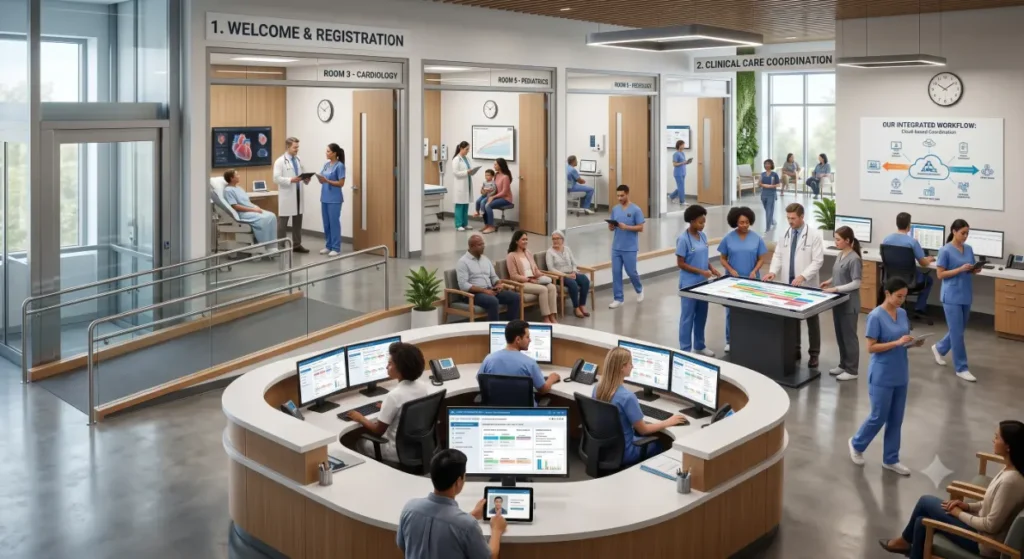
Healthcare technology continues to evolve rapidly. Modern practice management platforms increasingly incorporate artificial intelligence, automated scheduling, telemedicine integration, mobile applications, digital payments, and predictive analytics. These innovations further simplify administrative work while improving patient access to healthcare services.
As healthcare organizations continue their digital transformation, practice management software will play an even greater role in improving efficiency, supporting informed decision-making, and enhancing the overall patient experience.
Conclusion
Effective medical practice management software has become an essential component of modern healthcare operations. By automating appointment scheduling, patient registration, billing, insurance processing, reporting, and communication, it helps healthcare organizations reduce administrative burdens while improving workflow efficiency. The result is better coordination, higher productivity, improved financial performance, and a more satisfying experience for patients. Investing in a reliable and scalable practice management solution enables clinics and hospitals to operate more efficiently while remaining focused on delivering high-quality patient care.
Also Read:Exploring Enterprise-level Analytics in Medical Software Solutions
Frequently Asked Questions
1. What is medical practice management software?
Medical practice management software is a digital solution that helps healthcare providers manage appointments, billing, patient registration, insurance claims, and administrative workflows.
2. Can small clinics benefit from practice management software?
Yes. It helps clinics of all sizes improve efficiency, reduce paperwork, and streamline daily operations.
3. Does practice management software integrate with EHR systems?
Most modern solutions support integration with Electronic Health Record (EHR) systems for seamless clinical and administrative workflows.
4. How does practice management software improve patient satisfaction?
It reduces waiting times, simplifies appointment booking, automates reminders, and improves communication throughout the patient’s healthcare journey.
5. What features should healthcare providers prioritize?
Look for appointment scheduling, billing, insurance management, patient communication, reporting, cloud access, security, and integration capabilities.