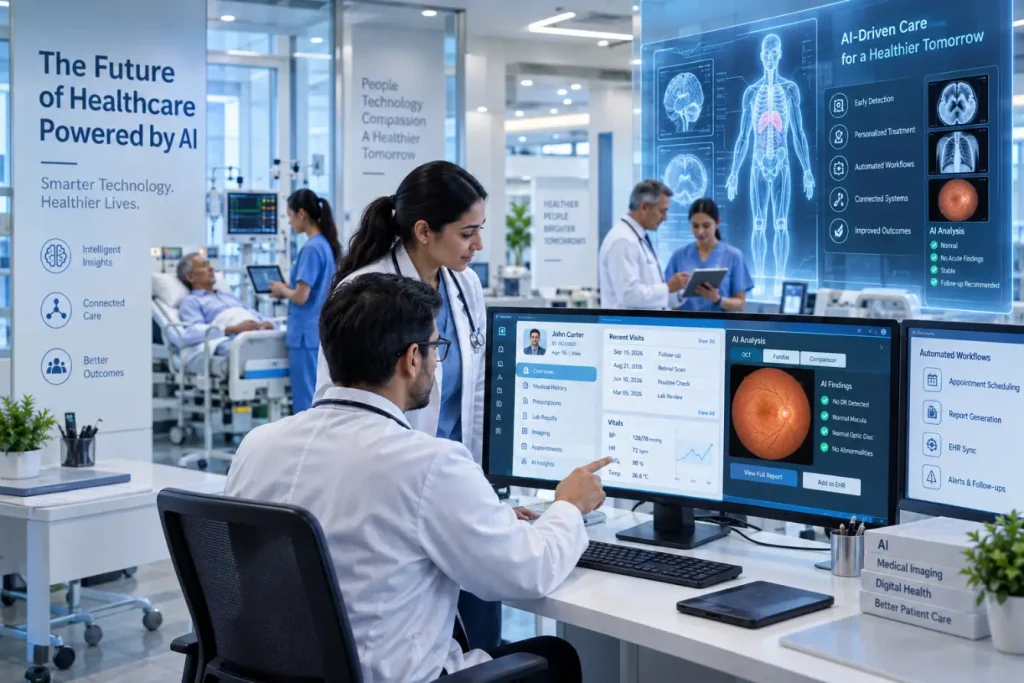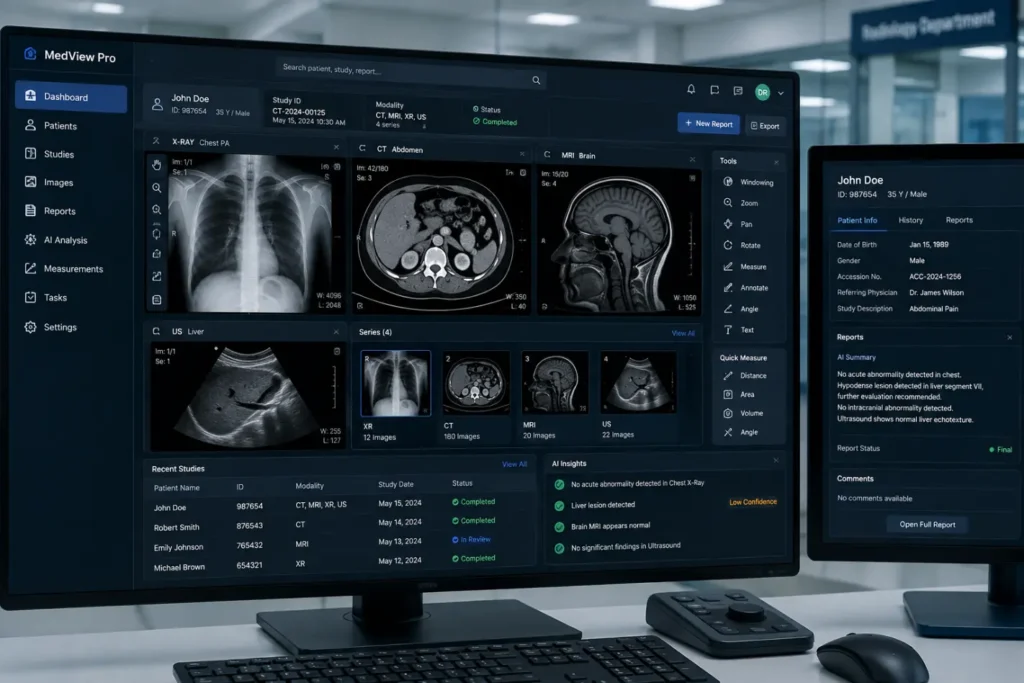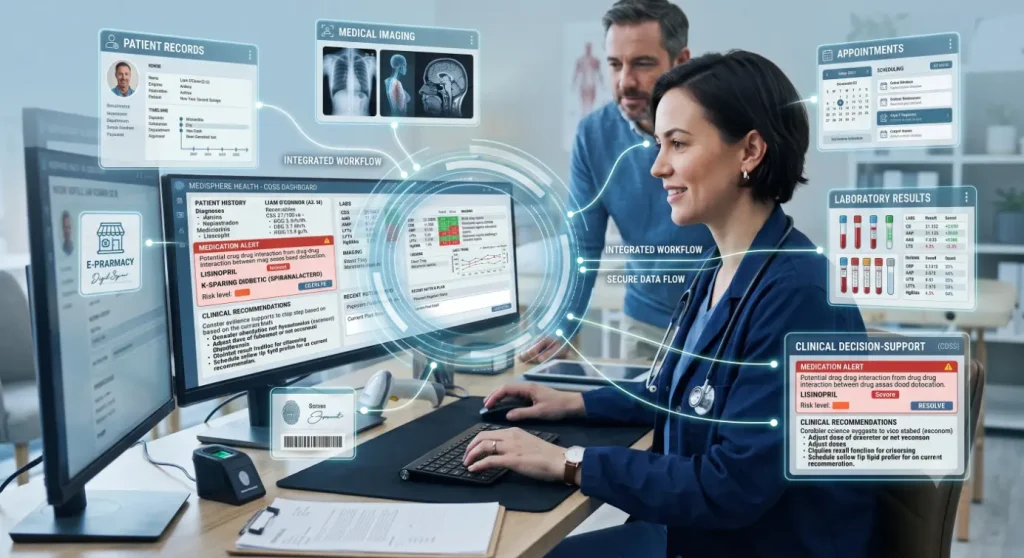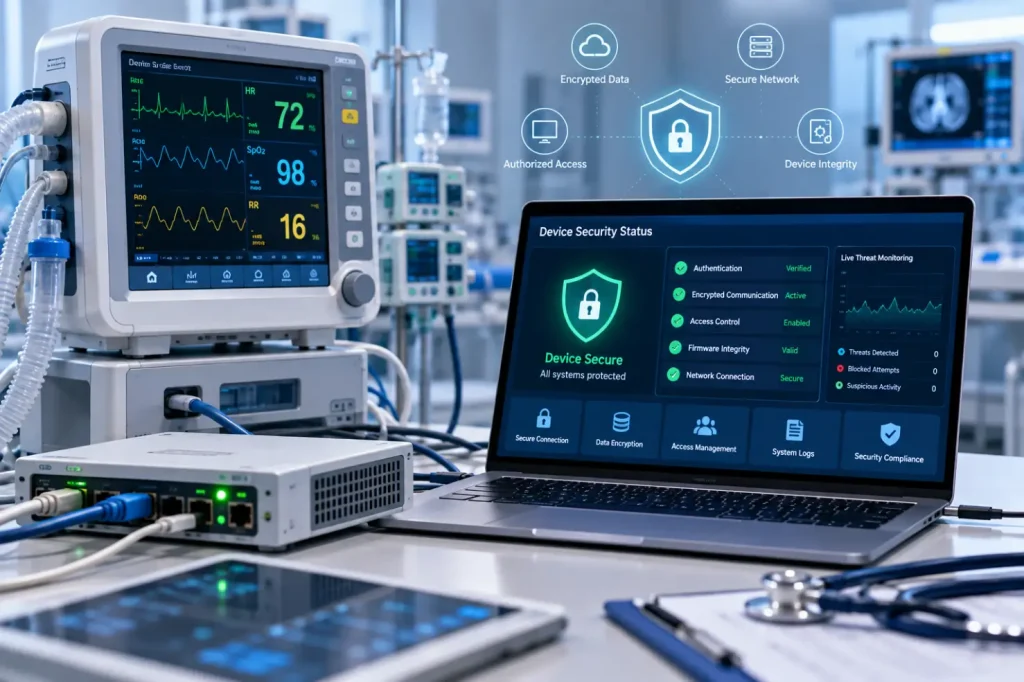
Modern medical devices depend heavily on embedded software. Patient monitors, infusion pumps, ventilators, imaging systems, wearable devices, and diagnostic equipment all use software to control functions, process data, or communicate with other systems. Medical devices embedded software testing helps verify that this software performs reliably, interacts correctly with hardware, and responds as expected under normal and unexpected conditions.
Key Takeaways
- Improves device safety and reliability
- Checks software and hardware integration
- Identifies faults before deployment
- Supports quality and regulatory requirements
When software is used in a medical device, testing becomes especially important. A software defect may affect how a device measures, displays, alerts, or responds to a patient’s condition. For that reason, medical device embedded software testing needs to cover more than basic functionality. It must also consider hardware interaction, reliability, safety, performance, and security.
What Is Medical Devices Embedded Software Testing?
Medical device embedded software testing is the process of checking whether software running inside a medical device works correctly and consistently under defined conditions.
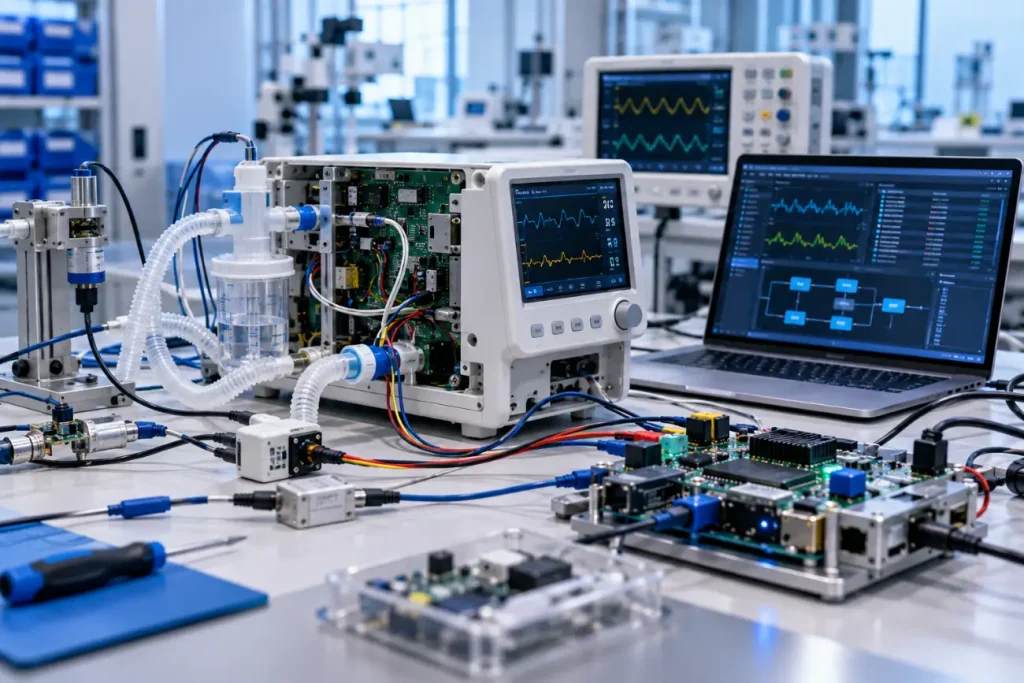
Unlike ordinary applications, embedded software often works closely with physical components such as sensors, processors, motors, displays, batteries, and communication interfaces. Testers therefore need to examine both the software itself and how it behaves when connected to the actual device.
Common Medical Devices Embedded Software Testing activities include:
- Unit testing
- Integration testing
- Functional testing
- System testing
- Hardware-software integration testing
- Performance and real-time testing
- Fault and error handling
- Regression testing
- Cybersecurity testing
- Verification and validation
Also Read:Different Medical Software Systems
Why Is Testing Important?
Medical Devices Embedded Software Testing are expected to work reliably in real clinical situations. Software may need to process information continuously, respond within a specific time, and provide accurate information to healthcare professionals.
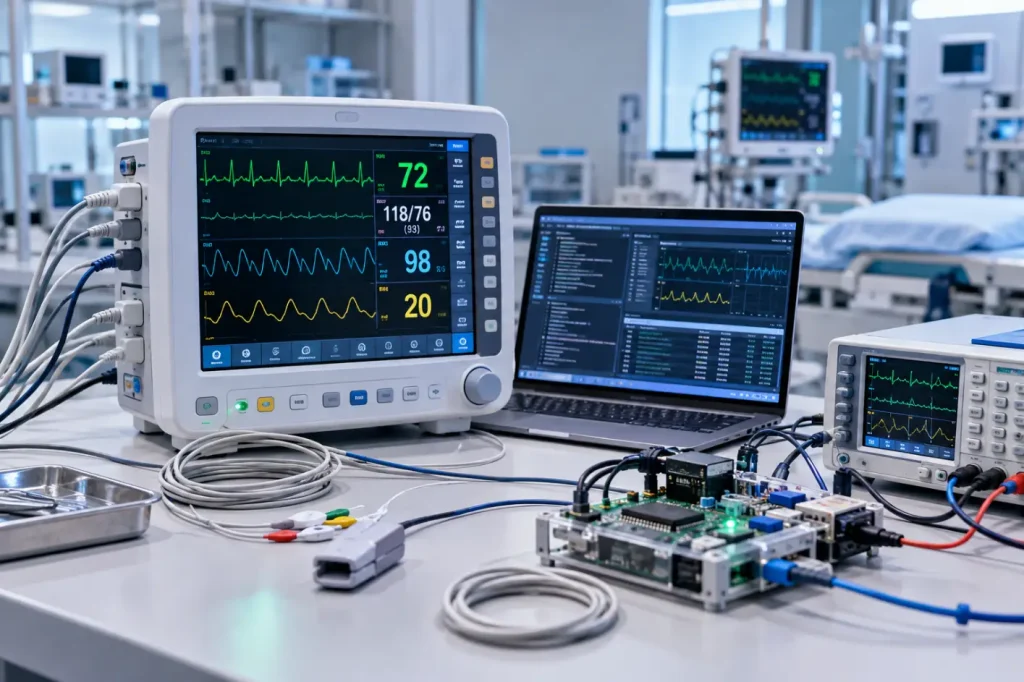
For example, a patient monitoring device receives data from sensors and processes it before displaying results or triggering an alarm. A problem in any part of this process could affect the device’s behavior.
Testing helps development teams identify issues before the device is released or used in clinical environments.
Key Types of Medical Devices Embedded Software Testing
1. Unit Testing
Unit testing examines individual software functions or modules. It is usually performed early in development and helps identify coding errors before components are combined.
2. Integration Testing
Integration testing checks whether different software components work correctly together. This can include communication between device drivers, processing modules, display functions, and alarm systems.
3. Hardware-Software Integration Testing
Embedded software cannot always be tested effectively in isolation. Hardware-software integration testing checks how the software interacts with physical components such as sensors, memory, displays, and communication interfaces.
4. Functional Testing
Functional testing verifies that the device performs the functions defined in its requirements.
Examples include:
- Starting and shutting down correctly
- Processing sensor inputs
- Displaying measurements
- Generating alarms
- Saving settings
- Communicating with connected systems
5. Performance Testing
Medical devices may need to operate continuously for long periods. Performance testing can evaluate response time, memory usage, processing load, startup time, and behavior under heavy workloads.
6. Fault and Error Testing
Testing should also cover situations where something goes wrong. Examples include:
- Sensor failure
- Loss of communication
- Low battery
- Invalid input
- Power interruption
- Hardware disconnection
- Unexpected system conditions
The objective is to verify that the device responds in a controlled and predictable way.
Also Read:AI Retinal Imaging Full Body Health Analysis
7. Cybersecurity Testing
Connected medical devices can exchange information with hospital networks, mobile applications, and cloud services. Security testing can examine authentication, access control, communication security, software updates, and protection against unauthorized access.
Common Testing Challenges
| Challenge | What Testers Need to Consider |
| Hardware dependency | Software behavior with real device components |
| Real-time operation | Response times and timing requirements |
| Safety risks | Possible effects of software failures |
| Complex interfaces | Communication between multiple components |
| Limited resources | Memory, processor, and power constraints |
| Software changes | Regression testing after updates |
| Cybersecurity | Protection of connected devices and data |
| Regulatory requirements | Documentation and traceability |
How to Build an Effective Testing Process
A practical testing process usually starts with clear requirements and risk analysis. The team can then define test cases based on the device’s intended functions and potential failure modes.
A useful approach is to:
- Review software and system requirements.
- Identify software-related risks.
- Define test levels and acceptance criteria.
- Test individual components before integration.
- Test software with the actual hardware.
- Include normal and abnormal operating conditions.
- Repeat important tests after software changes.
- Document test results and maintain traceability.
Testing should be planned throughout development rather than left until the final stage.
Conclusion
Medical Devices Embedded Software Testing is about making sure software behaves as expected when it becomes part of a real medical product. It involves testing individual functions, software interactions, hardware behavior, performance, faults, and security.
A clear testing strategy, supported by good requirements and documentation, helps development teams find problems early and build reliable evidence for verification and validation.
Frequently Asked Questions
What is embedded software testing in medical devices?
It is the testing of software that operates within or controls a medical device. Medical Devices Embedded Software Testing checks whether the software performs its intended functions reliably and handles expected and unexpected conditions appropriately.
What are the main types of medical device software testing?
Common types of Medical Devices Embedded Software Testing include unit, integration, functional, system, hardware-software integration, performance, fault, cybersecurity, and regression testing.
Why is hardware-software integration testing important?
Embedded software interacts directly with physical components. Testing the software with real hardware can reveal timing, communication, sensor, memory, and compatibility problems that may not appear during software-only testing.
Can automated testing be used?
Yes. In Medical Devices Embedded Software Testing automated tests can be useful for repeatable checks, particularly regression testing. They still require appropriate test design, maintenance, review, and documentation.
Does testing support regulatory compliance?
Medical Devices Embedded Software Testing can provide important verification evidence for medical device development and quality processes. The specific requirements depend on the device, its intended use, risk classification, and target market.