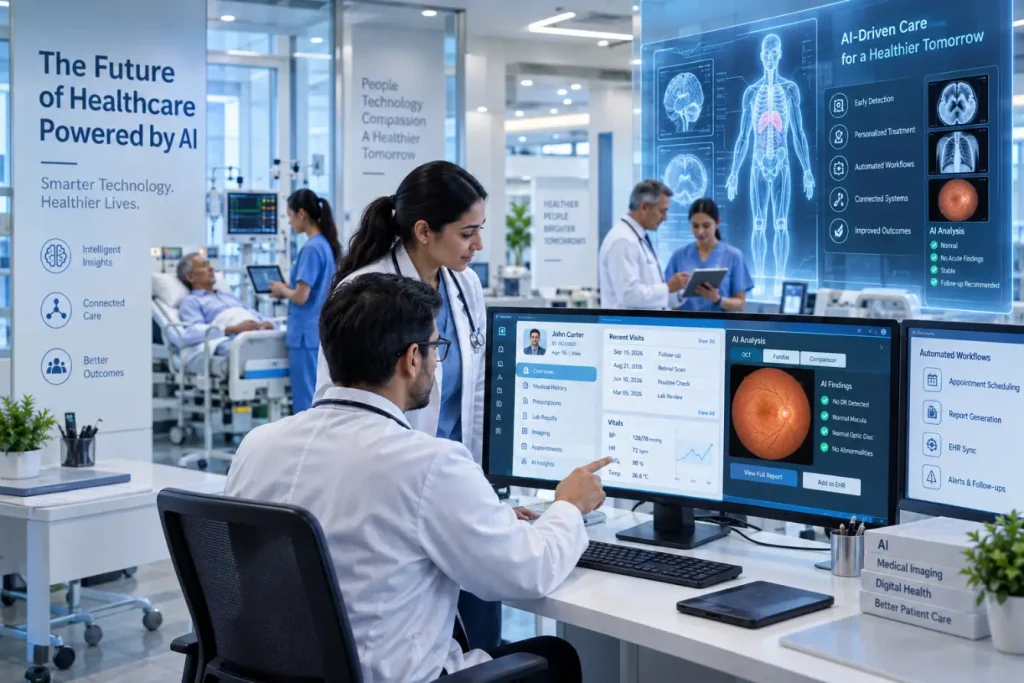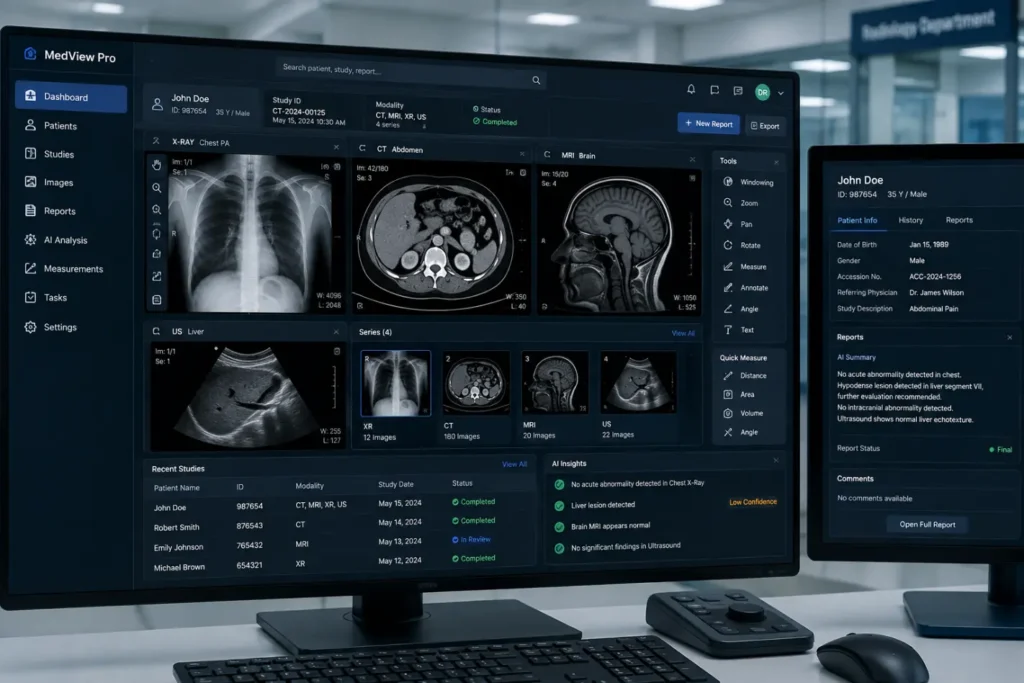
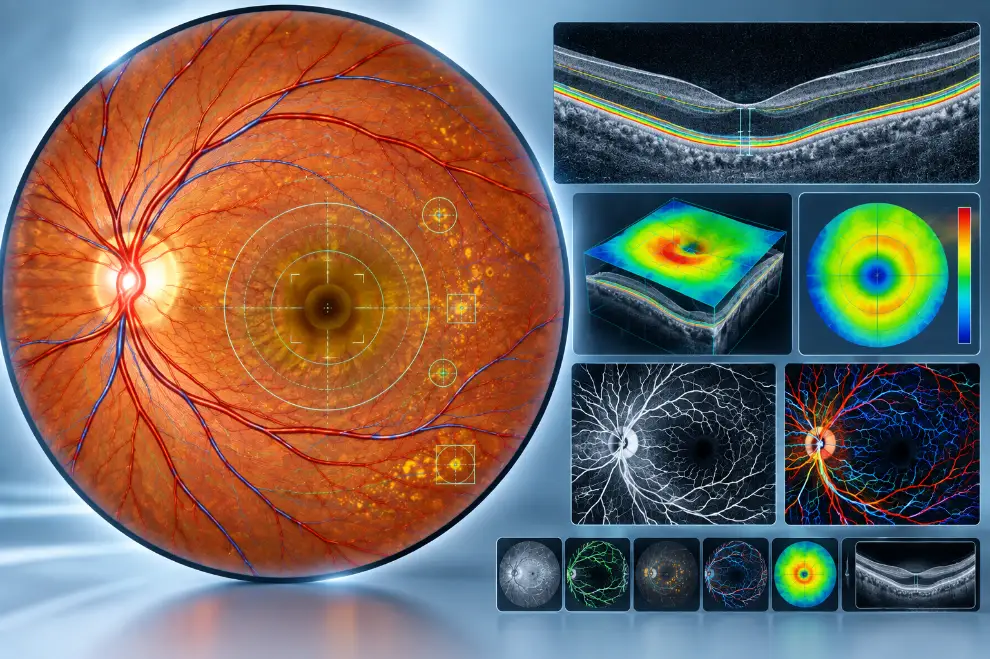
Retinal imaging has become an important part of modern eye care. With fundus photography, optical coherence tomography (OCT), OCT angiography (OCTA), and other imaging methods, clinicians can capture detailed information about the retina. As the volume of retinal images grows, AI-Powered Retina Image Analysis Market is becoming increasingly useful for helping healthcare professionals review images, identify potential abnormalities, and prioritize patients for further assessment.
Key Takeaways
- Growing Market: Demand for retinal analysis is increasing.
- Early Detection: Supports identification of retinal abnormalities.
- Clinical Support: Helps clinicians interpret retinal images.
- Future Potential: Telemedicine and screening may expand adoption.
The AI-powered retina image analysis market is developing alongside the broader growth of digital ophthalmology, remote screening, telemedicine, and clinical decision-support technologies. Rather than replacing eye-care professionals, these systems are designed to provide additional information that can support clinical assessment.
What Is AI-Powered Retina Image Analysis?
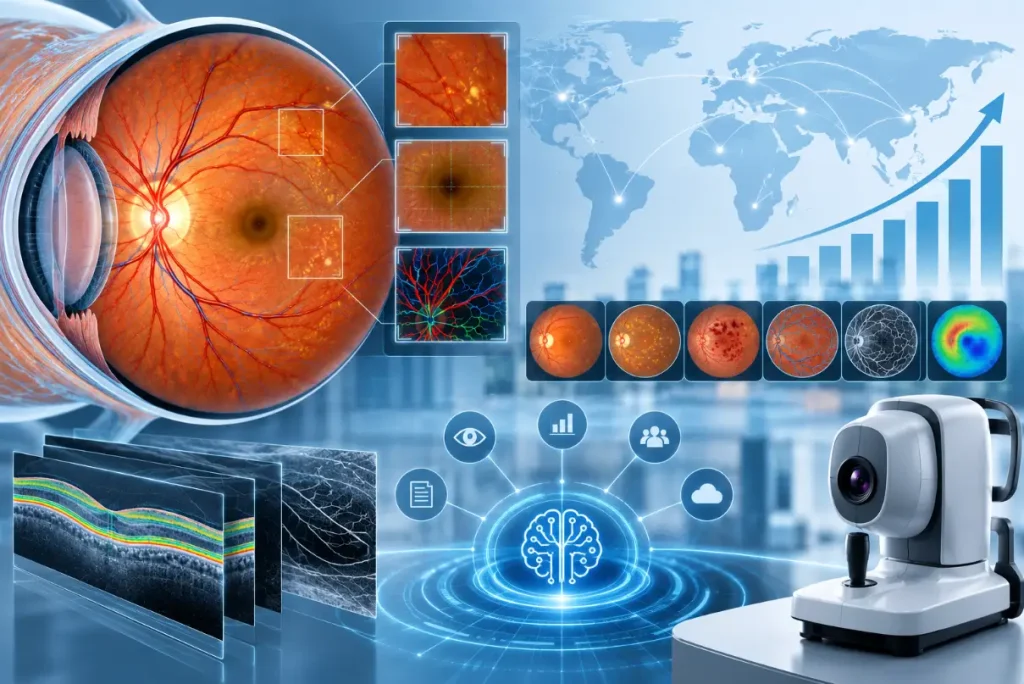
AI-powered retina image analysis uses computational models to examine retinal images and identify patterns that may be associated with eye diseases or other health conditions.
Also Read: Medical Devices Embedded Software Testing
Depending on the system and imaging method, analysis may help identify or quantify features associated with:
- Diabetic retinopathy
- Glaucoma
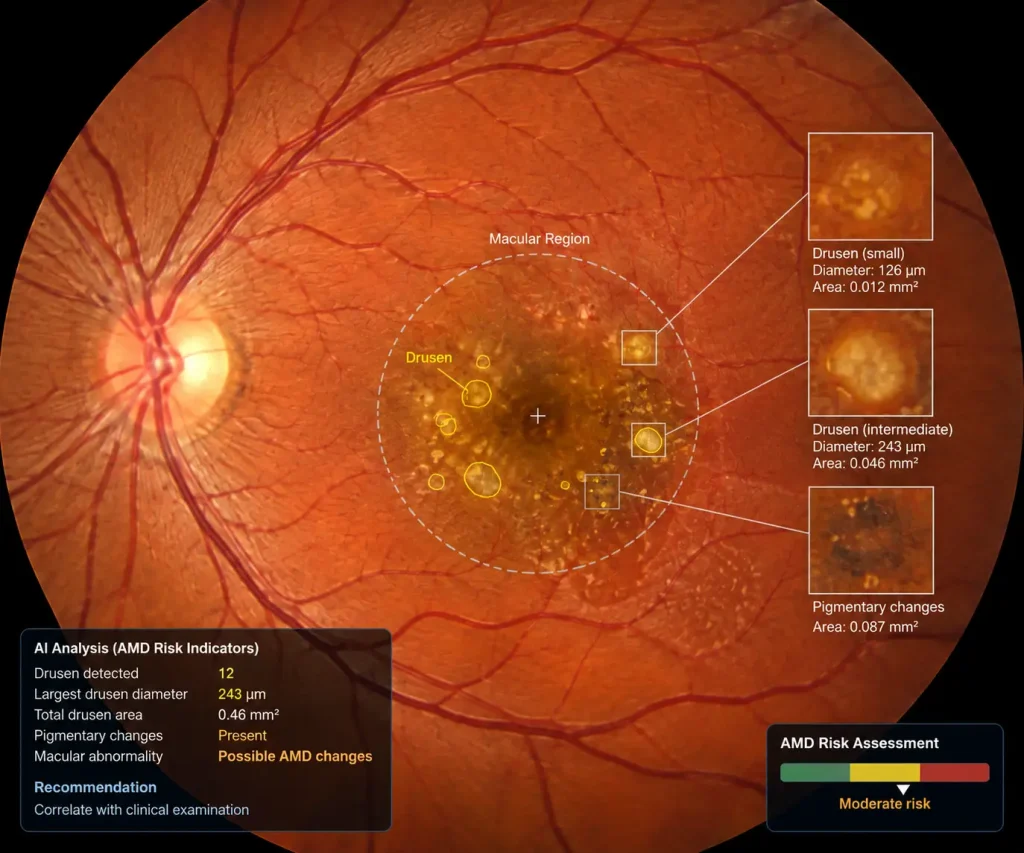
- Age-related macular degeneration (AMD)
- Diabetic macular edema
- Retinal vascular abnormalities
- Retinal vein or artery occlusions
- Changes in the optic nerve or retinal layers
The output can include image classifications, measurements, risk indicators, or highlighted regions that require closer clinical review.
Key Factors Driving the Market
Several developments are contributing to demand for retinal image analysis technologies in AI-Powered Retina Image Analysis Market
| Market factor | Why it matters |
| Growing eye disease burden | More patients require regular screening and monitoring |
| Increasing diabetes prevalence | Diabetic eye disease creates a significant need for retinal screening |
| Digital ophthalmology | More clinical workflows now depend on digital retinal images |
| Telemedicine | Retinal analysis can support screening where specialists are not immediately available |
| Population-scale screening | Automated image assessment can help process large numbers of images |
| Earlier detection | Identifying suspicious retinal changes can support timely referral and follow-up |
Another important factor is the growing use of portable retinal imaging devices. These devices can make retinal screening more practical in primary-care facilities, community programs, mobile clinics, and locations where access to ophthalmologists is limited.
Major Applications for AI-Powered Retina Image Analysis Market
The market is not limited to hospital-based eye examinations. Retina image analysis can support several areas of healthcare.
1. Diabetic Eye Screening
Retinal images can be assessed for signs associated with diabetic retinopathy. This can help screening programs identify people who may need a detailed examination by an eye-care professional.
2. Glaucoma Assessment
Analysis can assist with evaluating the optic disc, retinal nerve fiber layer, and other features relevant to glaucoma assessment. It can provide additional measurements that clinicians can consider alongside other examination findings.
3. AMD Monitoring
For age-related macular degeneration, retinal imaging can help clinicians monitor changes around the macula. OCT and fundus imaging can provide complementary information during follow-up.
4. Remote and Community Screening
In areas with limited specialist access, retinal imaging combined with clinical decision-support can help identify patients who may require referral. This is particularly relevant to teleophthalmology and community eye-care programs.
Market Challenges
Despite its potential, the AI-powered retina image analysis market also faces practical challenges.
- Image quality: Poor-quality or incomplete images can affect analysis.
- Clinical validation: Systems need appropriate testing across relevant patient populations and imaging conditions.
- Integration: Analysis tools need to work effectively with existing clinical systems and imaging devices.
- Regulatory requirements: Medical software may require regulatory clearance depending on its intended use and jurisdiction.
- Clinical interpretation: Automated findings still need appropriate professional review and clinical context.
- Data privacy: Retinal images and associated patient information must be handled according to applicable privacy and security requirements.
What Does the Future Look Like?
The future of the AI-Powered Retina Image Analysis Market is likely to involve deeper integration between retinal imaging, clinical software, and healthcare delivery. Improvements in image quality, computational methods, and clinical validation may support more detailed analysis of retinal structures and disease-related changes.
There is also growing interest in using retinal images to investigate associations between eye findings and broader systemic health. However, such applications require careful clinical validation before they can be considered reliable for individual patient decisions.
Overall, the most practical role for these technologies is as AI-powered clinical decision-support. They can help clinicians organize image information, identify potentially important findings, and support screening and monitoring while leaving diagnosis and treatment decisions to qualified healthcare professionals.
Also Read:Retinal Image Analysis
FAQs
1. What is the AI-powered retina image analysis market?
It refers to the market for software and related technologies that use AI-based computational methods to analyze retinal images for screening, assessment, monitoring, and clinical decision-support.
2. Which diseases can retinal image analysis help identify?
Depending on the technology, applications may include diabetic retinopathy, glaucoma, AMD, diabetic macular edema, and retinal vascular abnormalities.
3. Can AI-powered retina analysis replace an ophthalmologist?
No. These systems are intended to support clinical assessment. Diagnosis and treatment should consider the patient’s history, examination, imaging, and professional clinical judgment.
4. Where can retina image analysis be used?
Potential settings include hospitals, eye-care centers, primary-care facilities, telemedicine networks, mobile eye clinics, and community screening programs.
5. What is driving market growth?
Growing demand for eye screening, increasing digital imaging, diabetes-related eye disease, telemedicine, and the need to evaluate large numbers of retinal images are among the factors supporting market development.