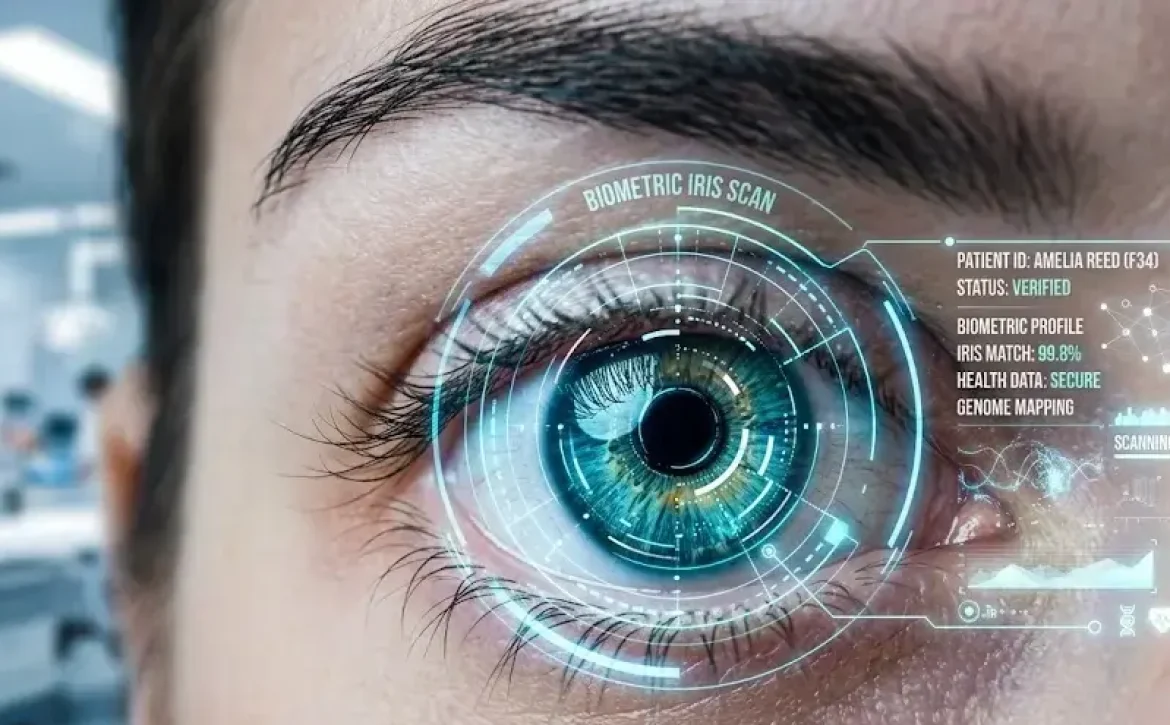
AI in Optometry is the application of machine learning and data-driven systems to assist eye care professionals in diagnosing, managing, and monitoring visual conditions. It integrates with imaging devices, electronic health records, and telehealth platforms to enhance clinical decision-making. How does this technology improve both diagnostic precision and patient care efficiency?
Key Takeaways
- AI in Optometry improves diagnostic accuracy and efficiency
- It is widely used in retinal imaging and clinical decision support
- Tele-optometry is significantly enhanced through AI integration
- Regulatory compliance and ethical considerations are essential
- AI complements, not replaces, optometric professionals
What is AI in Optometry and how does it function?
AI in Optometry functions by analyzing structured and unstructured clinical data such as retinal images, visual field tests, and patient records.
Core components include:
- Image recognition systems for retinal scans
- Predictive analytics for disease progression
- Clinical decision support tools
Example workflow:
- Capture retinal image
- Process using trained algorithm
- Identify abnormalities (e.g., lesions, hemorrhages)
- Generate diagnostic recommendation
How is AI in Optometry used in clinical practice?
AI in Optometry is widely used to support diagnosis and streamline clinical workflows.
Key applications:
- Disease detection: Diabetic retinopathy, glaucoma, macular degeneration
- Refraction support: Automated vision correction suggestions
- Workflow automation: AI scribe tools for documentation
| Application Area | Function | Outcome |
| Retinal imaging | Lesion detection | Early diagnosis |
| Visual field analysis | Pattern recognition | Faster interpretation |
| EHR integration | Data summarization | Reduced admin burden |
What technologies power AI in Optometry systems?
AI in Optometry relies on several foundational technologies that enable accurate analysis.
Primary technologies:
- Deep learning (CNNs for image analysis)
- Natural language processing (clinical notes)
- Cloud computing (data storage and scalability)
- Edge AI (real-time device-based processing)
Standards and compliance:
- HIPAA (data privacy in the U.S.)
- GDPR (data protection in Europe)
- FDA approval for diagnostic tools
What are the benefits and limitations of AI in Optometry?
AI in Optometry provides measurable benefits but also presents operational challenges.
Benefits:
- Increased diagnostic accuracy
- Faster patient throughput
- Early disease detection
- Reduced clinician workload
Limitations:
- Data bias affecting outcomes
- High implementation costs
- Regulatory approval complexity
- Dependence on data quality
How does AI in Optometry support tele-optometry and remote care?
AI in Optometry enhances tele-optometry by enabling remote diagnosis and monitoring.
Use cases:
- Remote retinal screening via portable devices
- AI-assisted triage for urgent cases
- Cloud-based patient record analysis
Steps in remote care integration:
- Patient uploads eye scan
- AI evaluates image quality and abnormalities
- Optometrist reviews flagged results
- Follow-up consultation scheduled
A topic often discussed alongside AI in Optometry includes tele-optometry, AI scribe systems, and emerging technologies in eye care delivery.
What are the regulatory and ethical considerations in AI in Optometry?
Implementing AI in Optometry involves meeting strict safety requirements, safeguarding patient data, and following ethical norms.
Key considerations:
- Transparency in algorithm decisions
- Patient consent for data use
- Clinical validation through trials
- Accountability in diagnostic errors
Regulatory bodies:
- FDA (U.S.)
- EMA (Europe)
- CDSCO (India)
Conclusion
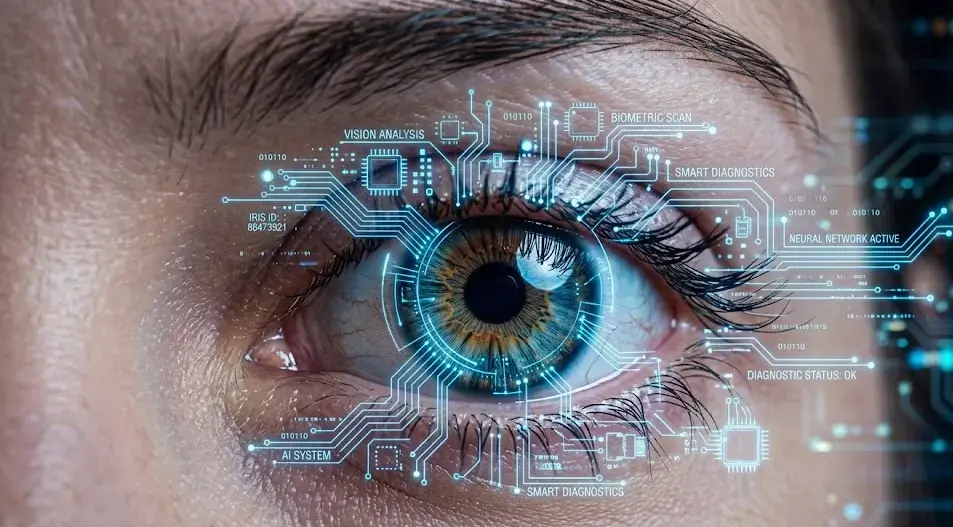
AI in Optometry is establishing a structured framework for integrating diagnostic automation, predictive analytics, and telehealth into routine eye care. Its future impact depends on balancing clinical validation with ethical implementation. Continued advancement will align closely with innovations such as early detection of retinal diseases with AI assisted diagnosis, reinforcing its role in preventive ophthalmic care.
FAQ
What are the 4 types of AI?
The main types of AI are reactive machines, limited memory systems, theory of mind systems, and self-aware AI.
Is optometry at risk of AI?
AI supports optometrists by enhancing diagnostics but does not replace clinical judgment or patient interaction.
What is the highest paying optometry specialty?
Ocular disease and surgical co-management specialties typically offer the highest compensation.
Can AI replace eye doctors?
AI cannot replace eye doctors; it functions as a support tool for diagnosis and efficiency.
How accurate is AI in eye disease detection?
In retinal disease detection, validated AI systems can demonstrate high levels of sensitivity and specificity.
Sources
https://pmc.ncbi.nlm.nih.gov/articles/PMC11910921/
https://www.aoa.org/news/practice-management/perfect-your-practice/the-latest-on-ai-and-optometry
https://www.mdpi.com/2227-7080/13/2/77
https://www.altris.ai/ai-for-optometry/
https://www.college-optometrists.org/category-landing-pages/artificial-intelligence-ai-technology
https://ecoo.info/2022/03/ai-in-optometry-will-we-still-have-something-to-do/
https://www.journalofoptometry.org/en-optometrist39s-perspectives-artificial-intelligence-in-articulo-S1888429622000395
https://www.revolutionehr.com/blogs/ai-optometry-practice