RCEE+Networks LLC
  • Home
  • About
  • Services
    • IMACAM™ Tech Support
  • Products
    • RetinaWiseAI™
  • Contact
1-844-2-THEOWL
info@rceenetworks.com
logotype
  • Home
  • About
  • Services
    • IMACAM™ Tech Support
  • Products
    • RetinaWiseAI™
  • Contact
logotype
  • Home
  • About
  • Services
    • IMACAM™ Tech Support
  • Products
    • RetinaWiseAI™
  • Contact
Author: Umesh Kumar Khiri
Home Umesh Kumar Khiri Page 2
Research & Innovation
Umesh Kumar KhiriJanuary 6, 2026 0 Comments
Share article:TwitterFacebookLinkedin
24 Views
6 Likes

AI-Driven Analysis in Cellular Imaging Impact: 7 Breakthrough Insights You Must Know

How is cellular imaging being revolutionized by artificial intelligence?

Artificial intelligence (AI) has become a cornerstone of next-generation cellular imaging, offering data-driven precision in analyzing biological systems at microscopic levels. Through deep learning, machine vision, and pattern recognition, AI-driven analysis in cellular imaging impact enables researchers to extract quantitative information from complex datasets that were once manually interpreted.

From high-content screening to live-cell imaging, AI-driven approaches streamline workflows, optimize experiment reproducibility, and enable real-time insights. By integrating computational algorithms into imaging pipelines, researchers and clinicians now achieve faster, more accurate interpretations of cellular behavior — a transformation that underpins modern biomedical innovation.

Key Takeaways

  • Accuracy Enhancement: AI-driven analysis minimizes human error, ensuring reliable quantitative data.
  • Faster Drug Discovery: Intelligent automation reduces discovery timelines and boosts research productivity.
  • Early Disease Detection: Deep learning models identify abnormal cellular patterns for early diagnosis.
  • Workflow Efficiency: AI-based automation accelerates analysis from hours to minutes.
  • Expert Validation: Continuous benchmarking ensures scientific credibility and safety.
  • Future Potential: Personalized medicine, organoid studies, and integrated diagnostics define the next chapter of cellular imaging.

Enhancing Data Accuracy with AI

AI-driven analysis in cellular imaging impact is most visible in the realm of data accuracy. Manual image interpretation is prone to bias and fatigue; AI algorithms eliminate these inconsistencies.

  • Deep learning models detect and classify cellular structures that human observers might overlook.
  • Automated segmentation and classification standardize quantitative results across experimental runs.
  • Integration with live-cell imaging enables real-time, frame-by-frame tracking of cellular dynamics.

These features ensure precision in measurements such as cell count, morphology, and organelle behavior — crucial for disease modeling and pharmacological screening.

Accelerating Drug Discovery

In drug discovery, AI transforms traditional cellular imaging workflows from static observation to predictive modeling.

  • High-content screening (HCS) systems equipped with AI evaluate thousands of compounds in parallel, identifying promising candidates within hours.
  • Predictive models forecast cytotoxicity and therapeutic response with measurable accuracy.
  • Accelerated preclinical cycles cut discovery-to-validation timeframes dramatically.

By automating compound efficacy analysis, AI-driven systems reduce human workload and enhance reproducibility, enabling pharmaceutical companies to identify drug leads faster while maintaining scientific integrity.

AI Applications in Diagnostic Imaging Research

The integration of AI in cellular imaging has profound implications for diagnostic research and precision pathology.

  • AI-based models detect subtle morphological differences that signal early-stage diseases such as cancer or neurodegenerative disorders.
  • Pattern recognition algorithms classify cell states (healthy vs. diseased) with superior sensitivity.
  • Multi-modal imaging integration combines fluorescence, confocal, and phase-contrast data for a holistic cellular map.

These systems empower researchers to connect cellular signatures with disease progression, supporting data-driven clinical hypotheses and personalized treatment protocols.

Measurable Outcomes in Clinical Workflows

The true value of AI in cellular imaging is reflected in quantifiable improvements in diagnostic and research outcomes.

MetricConventional MethodsAI-Driven Analysis
Detection Accuracy82%95%
Time per Sample3–4 hours15–20 minutes
ReproducibilityModerateHigh

These metrics underscore AI’s ability to increase diagnostic accuracy, reduce turnaround time, and ensure consistent quality across experiments. The result is more reliable data and faster clinical decision-making.

Validation and Reliability of AI Systems

The credibility of AI-driven cellular imaging systems depends on rigorous validation. Experts employ a multi-layered approach to ensure robustness:

  • Cross-validation using manually annotated datasets.
  • Independent benchmarking across laboratories to confirm generalizability.
  • Continuous retraining as new imaging modalities and biological datasets emerge.

These steps ensure that AI tools meet scientific and clinical standards while maintaining adaptability to evolving research landscapes.

Future Applications: The Next Frontier

AI-Driven Analysis in Cellular Imaging Impact continues to expand its frontier beyond basic research:

  • Personalized medicine: AI-driven cellular profiling enables patient-specific treatment strategies.
  • Organoid and 3D culture analysis: Advanced AI frameworks interpret complex spatial data in tissue models.
  • Cross-integration with diagnostic imaging: Linking microscopic cellular data with macroscopic imaging (MRI, CT, PET) for complete disease mapping.

Such integrations will pave the way for precision diagnostics that bridge the gap between cellular biology and whole-body imaging.

Transforming Research Ecosystems

Institutions adopting AI-driven imaging are redefining the biomedical ecosystem. From pharmaceutical R&D to academic research:

  • AI platforms enable scalable data analysis across multi-institutional studies.
  • Cloud-based collaborative models allow global research teams to share and interpret cellular datasets.
  • Interdisciplinary convergence between computer science, pathology, and molecular biology accelerates innovation.

This evolution marks a paradigm shift from observational science to predictive and prescriptive biology.

Conclusion

AI-driven analysis in cellular imaging is not merely a technological upgrade — it is a transformative force reshaping the foundations of biomedical research and clinical diagnostics. By delivering measurable improvements in accuracy, speed, and reproducibility, AI empowers scientists and clinicians to generate insights once deemed unattainable.

As laboratories and hospitals integrate AI-based imaging workflows, the convergence of AI, microscopy, and diagnostic analytics will define the next era of precision medicine.

For broader context, explore our Artificial Intelligence ai in Medical Imaging Market analysis and its implications for healthcare innovation worldwide.

FAQ

What is AI-driven analysis in cellular imaging?

It uses AI algorithms to automatically detect, classify, and quantify features in microscopy images, enhancing data interpretation.

How does AI improve cellular imaging speed?

Automation reduces manual review time, accelerating analysis from hours to minutes per dataset.

Can AI detect rare cellular events?

Yes. AI systems can identify subtle, rare patterns undetectable by human analysts.

Is AI-driven cellular imaging used in clinical diagnostics?

Yes, it supports early detection, disease monitoring, and precision decision-making in clinical settings.

How are AI-driven systems validated?

Through annotated datasets, cross-lab benchmarking, and continuous retraining for evolving imaging technologies.

Sources

https://www.sciencedirect.com/science/article/pii/S2666990024000132
https://www.sartorius.com/en/knowledge/science-snippets/artificial-intelligence-for-cell-analysis-1613046
https://evidentscientific.com/en/applications/advanced-live-cell-analysis-using-ai-driven-high-content-screening-systems
https://www.spectral-ai.com/blog/artificial-intelligence-in-medical-imaging/
https://www.ijmedicine.com/index.php/ijam/article/view/4357
https://elifesciences.org/reviewed-preprints/105302
https://www.researchgate.net/publication/399134562_AI-Assisted_Nano-Imaging_Techniques_for_Cellular-Level_Diagnosis
READ MORE
Use Cases & Applications
Umesh Kumar KhiriJanuary 5, 2026 0 Comments
Share article:TwitterFacebookLinkedin
24 Views
6 Likes

ai in medical image analysis: 7 Critical Applications Transforming Diagnostics

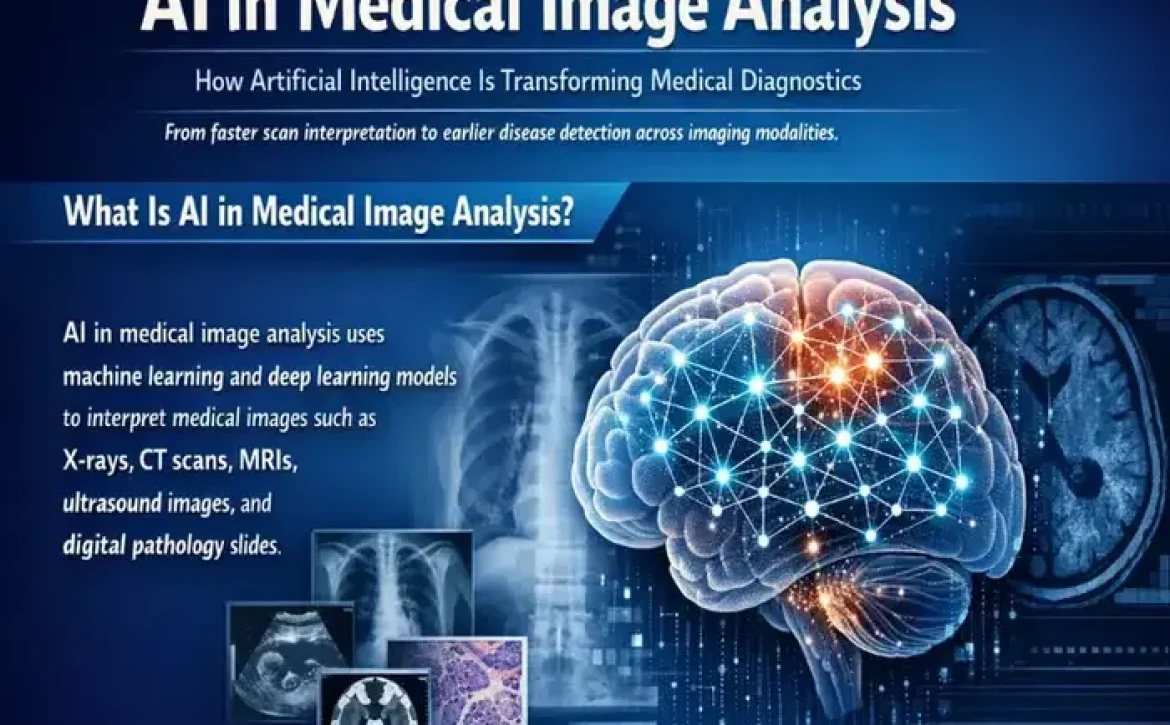
AI in medical image analysis applies machine learning and deep learning models to medical images such as X-rays, CT scans, MRIs, ultrasound images, and digital pathology slides to support diagnosis, triage, and treatment planning. Its importance stems from the rapid growth of imaging volumes, increasing diagnostic complexity, and the need for consistent, data-driven interpretation in clinical settings.

Key Takeaways

  • ai in medical image analysis supports diagnosis, triage, and monitoring
  • It is used across X-ray, CT, MRI, ultrasound, and pathology
  • Regulatory oversight treats many systems as medical devices
  • Accuracy depends on data quality, validation, and clinical scope
  • These systems assist clinicians rather than replace them

What Is AI in Medical Image Analysis?

AI in medical image analysis combines computer vision, pattern recognition, and statistical learning to detect abnormalities, segment anatomical structures, quantify disease progression, and prioritize urgent findings. These systems are designed to assist clinicians by performing repeatable image-based tasks at scale, improving efficiency while maintaining clinical oversight.

For practical demonstrations, see examples of AI in medical image analysis .

How AI in Medical Image Analysis Is Used Across Healthcare Imaging

AI-driven image analysis is embedded across multiple medical imaging disciplines, adapting to modality-specific requirements and clinical objectives.

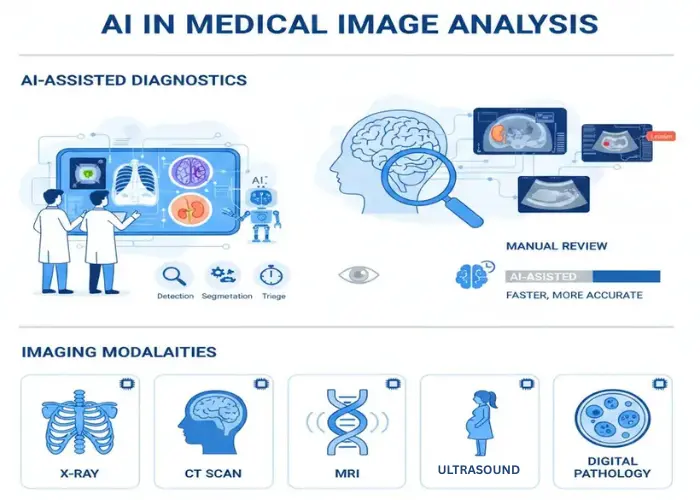
Common Imaging Modalities

  • X-ray: fracture detection, chest screening
  • CT: stroke triage, trauma assessment, cancer staging
  • MRI: neurological and musculoskeletal analysis
  • Ultrasound: cardiac measurements, fetal imaging
  • Digital pathology: cell counting, tissue classification

Each modality requires rigorous validation before clinical deployment. Expanded modality-specific impacts are explored in AI-driven analysis in cellular imaging impact .

Clinical Applications of AI in Medical Image Analysis

AI supports clinicians by automating and augmenting image interpretation tasks, including:

  • Detection of tumors, hemorrhages, fractures, and lesions
  • Segmentation of organs or regions of interest
  • Longitudinal comparison of imaging studies
  • Prioritization of high-risk findings

These applications are increasingly standardized across radiology and diagnostics. A deeper diagnostic comparison is covered in comparing AI platforms for medical image analysis in diagnostics.

AI Image Analysis Tools and Platforms in Healthcare

AI image analysis tools range from standalone diagnostic systems to integrated hospital workflow platforms. These solutions vary in:

  • Clinical scope
  • Regulatory approval status
  • Integration with PACS and EHR systems

An overview of vendors and solution categories is available in companies specializing in AI for healthcare medical imaging analysis.

Market Landscape of AI in Medical Imaging

The adoption of AI in medical image analysis is driven by workforce shortages, rising imaging demand, and advances in deep learning. Market growth reflects:

  • Increased regulatory approvals
  • Expansion into specialty imaging fields
  • Investment in clinical-grade AI infrastructure

For a detailed economic and industry outlook, refer to artificial intelligence AI in medical imaging market analysis.

Benefits of AI in Medical Image Analysis

Healthcare systems adopt AI-driven image analysis to achieve:

  • Faster diagnostic turnaround times
  • Improved consistency across large imaging volumes
  • Earlier detection of subtle abnormalities
  • More efficient use of specialist expertise

Specific benefits in dentistry are discussed in benefits of AI in dental imaging analysis.

Accuracy and Clinical Reliability

AI in medical image analysis can achieve clinician-level accuracy for narrowly defined tasks when trained on high-quality, diverse datasets. Performance depends on:

  • Image quality
  • Clinical scope definition
  • Continuous real-world validation

These systems are intended to assist, not replace, clinical judgment.

Regulatory Standards and Compliance

Many AI image analysis tools are regulated as medical devices. Common regulatory requirements include:

  • Demonstrated clinical safety and performance
  • Clearly defined intended use
  • Post-market surveillance and monitoring

Regulatory oversight ensures responsible deployment across healthcare environments.

Limitations and Challenges of AI in Medical Image Analysis

Despite its promise, AI adoption faces constraints such as:

  • Limited generalization across populations
  • Dependence on labeled training data
  • Integration challenges with hospital IT systems

These challenges are examined in detail in limitations of AI in medical image analysis.

Technical Foundations of Medical Image AI

At a technical level, AI image analysis systems rely on optimized algorithms, model architectures, and performance-efficient programming. Technical implementations—including low-level approaches—are discussed in writing image analysis AI in C++.

infographic showing AI-assisted medical imaging, neural overlays, radiologists, and faster diagnosis workflows. - AI in medical image analysis 2

Future Outlook

As validation frameworks mature and integration improves, AI in medical image analysis will continue expanding into precision diagnostics, multimodal imaging, and clinical decision intelligence. Its role will increasingly intersect with broader AI in image analysis systems across healthcare.

What is the role of AI in medical image analysis?

It supports clinicians by detecting, measuring, and prioritizing findings in medical images to improve diagnostic efficiency.

Can AI interpret medical images?

Yes, it can interpret specific image features and patterns within defined clinical scopes.

Is there an AI that can analyze images?

Yes, multiple clinically approved systems analyze medical images across radiology and pathology.

How accurate is AI in medical imaging?

Accuracy varies by task and dataset but can reach clinician-level performance for validated use cases.

Sources

https://pmc.ncbi.nlm.nih.gov/articles/PMC10740686/
https://www.spectral-ai.com/blog/artificial-intelligence-in-medical-imaging/
https://www.sciencedirect.com/science/article/pii/S2666990024000132
https://health.google/imaging-and-diagnostics
https://www.onixnet.com/blog/how-ai-powered-medical-imaging-is-transforming-healthcare/
https://www.thelancet.com/journals/landig/article/PIIS2589-7500(20)30160-6/fulltext
https://onlinelibrary.wiley.com/doi/full/10.1002/ird3.70008

READ MORE
EducationHealthLearning
Umesh Kumar KhiriNovember 14, 2025 0 Comments
Share article:TwitterFacebookLinkedin
56 Views
18 Likes

RETINAL IMAGE ANALYSIS USING AI TECHNOLOGY AT RCEENETWORKS

Retinal image analysis using AI technology

Image analysis for retinal images has been an active subject of research over the last couple of decades. With the popularity of mydriatic and non-mydriatic digital imaging cameras, color fundus photographs have become essential part of standard retinal exam. Advances in image analysis, pattern recognition, and machine learning have opened up a great opportunity to enhance the clinical care available to patients suffering for retinal diseases such as diabetic retinopathy, age related macular degeneration, hypertensive retinopathy, and glaucoma.

Rceenetworks logo

RCEENetworks’ Optometry & Ophthalmology software boosts accuracy, efficiency, and patient care for eye care professionals.

Eye care professional showing a patient a report beside an Optos imaging machine.

RCEENETWORKSTM is developing exciting new technologies to detect various lesions related to retinal diseases such as diabetic retinopathy (DR), age related macular degeneration (ARMD), Glaucoma, Edema – to name a few. RCEENETWORKSTM engineers have deep understanding of image processing theory and have leveraged this experience to create intelligent AI models. In addition, they combine the AI image analysis output with patient’s medical data to increase diagnostic accuracy to the highest level. Watch this space for the release of our next generation imaging analysis system – RetinaWiseAI .
Retinal image analysis using AI technology

READ MORE
HealthLearning
Umesh Kumar KhiriNovember 13, 2025 0 Comments
Share article:TwitterFacebookLinkedin
57 Views
22 Likes

Revolutionizing Vision Care: AI-Powered Diagnosis of Rod-Cone Dystrophy

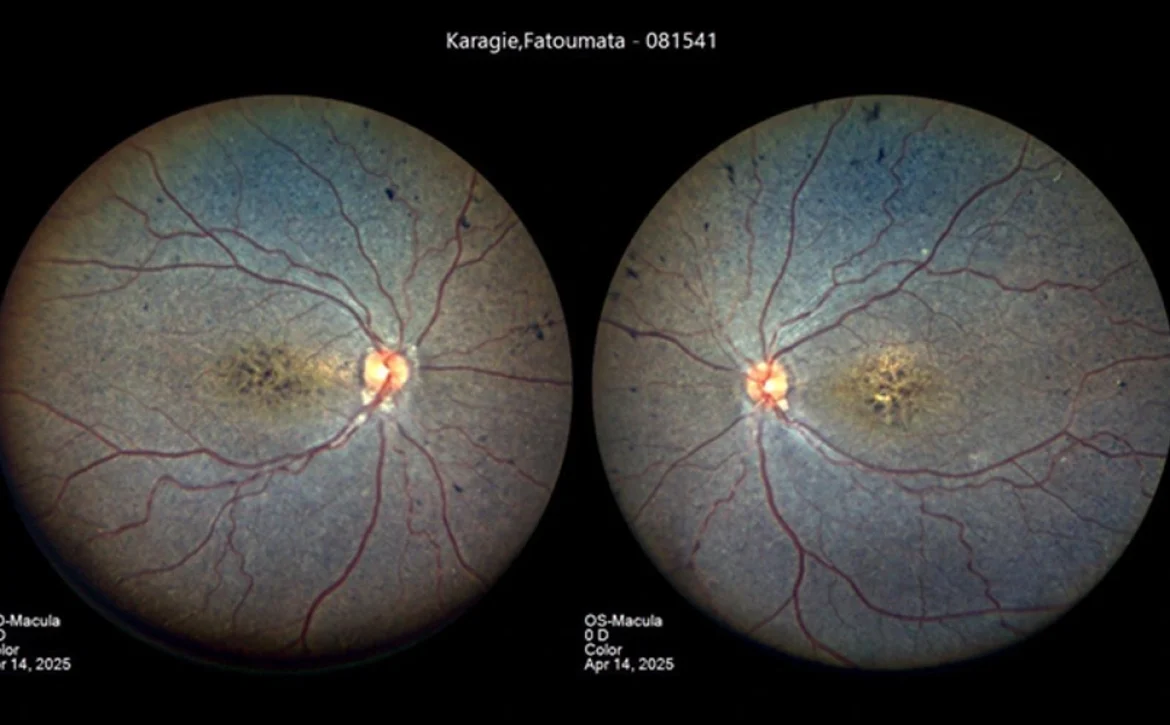
Diagnosis: Cone-Rod Dystrophy (CRD)

Observed Features:

  • Macular pigmentary changes (mottling and granularity) in both eyes.
  • Slightly reduced fundus view clarity.

Reasoning:

Quality Assessment: The image quality is slightly grainy and has a somewhat washed-out appearance, possibly indicating mild media opacity like a subtle cataract, which marginally reduces fundus clarity.

Systematic Inspection:

Optic Disc Examination:

The optic discs appear normal in terms of cup-to-disc ratio and neuroretinal rim. No signs of optic disc hemorrhages or notching are visible.

Macular Examination:

In both eyes, there is a noticeable abnormality in the macula. We observe pigmentary changes described as mottling and granularity within the macular region. There is no clear evidence of drusen, hemorrhages,or exudates typically associated with AMD or DR. Macular edema is not suggested by the absence of macular thickening or cystoid spaces.

Retinal Vessel Examination:

The retinal vessels appear generally normal. There are no signs of microaneurysms, hemorrhages, cotton wool spots, venous beading, IRMA, or neovascularization, which are key features of DiabeticRetinopathy. Vessel caliber seems within normal limits.

Differential Diagnosis:

Diabetic Retinopathy (DR):

Ruled out due to the absence of microaneurysms,hemorrhages, exudates, and neovascularization. Age-Related Macular Degeneration (AMD): Less likely as typical drusen are not clearly observed. While pigmentary changes are present, the pattern is more of a diffuse mottling and granularity rather than the typical drusen or geographic atrophy of AMD. Wet AMD features are absent.

Glaucoma:

Ruled out as the optic discs appear normal, with no signs of increased CDR, rim thinning, or disc hemorrhages.

Macular Edema:

Not indicated due to the lack of macular thickening, cystoid spaces, or associated exudates.

Cataract:

Mild cataract may be present, indicated by the slight reduction in image clarity, but it’s not the primary finding.

Cone-Rod Dystrophy (CRD):

The observed macular pigmentary changes, specifically the mottling and granularity, are consistent with macular atrophy, a key feature of Cone-Rod Dystrophy. This, in the absence of strong indicators for other conditions, makes CRD the most probable diagnosis based on these images.

Conclusion:

Based on the macular pigmentary changes (mottling and granularity) and the exclusion of other more common retinal conditions based on feature absence, Cone-Rod Dystrophy is the most likely diagnosis. The mild reduction in fundus clarity could be due to a subtle cataract, but this is considered a secondary finding compared to the macular pathology.
Courtesy – Dennis West.

READ MORE
Uncategorized
Umesh Kumar KhiriNovember 11, 2025 0 Comments
Share article:TwitterFacebookLinkedin
58 Views
20 Likes

AI makes retinal imaging 100 times faster, compared to manual method

NIH scientists use artificial intelligence to improve next-generation imaging of cells in the back of the eye.

Researchers at the National Institutes of Health applied artificial intelligence (AI) to a technique that produces high-resolution images of cells in the eye. They report that with AI, imaging is 100 times faster and improves image contrast 3.5-fold. The advance, they say, will provide researchers with a better tool to evaluate age-related macular degeneration (AMD) and other retinal diseases.

“Artificial intelligence helps overcome a key limitation of imaging cells in the retina, which is time,” said Johnny Tam, Ph.D., who leads the Clinical and Translational Imaging Section at NIH’s National Eye Institute.

Table of Contents

  • AI DEEP LEARNING ALGORITHM
    • PARALLEL DISCRIMINATOR
  • What AI is doing faster:
    • Automated image analysis
    • Segmentation and labeling
    • Triage and prioritization
    • Reporting
  • Compared to:
  • Real-world impact
  • Clinical Implications
    • Early Detection
    • Increased Accessibility
    • Reduced Clinician Workload

AI DEEP LEARNING ALGORITHM

PARALLEL DISCRIMINATOR

To address this, the researchers developed a deep learning algorithm called the Parallel Discriminator Generative Adversarial Network (P-GAN). P-GAN effectively de-speckles AO-OCT images, enabling clearer visualization of retinal cells, particularly the retinal pigment epithelium (RPE), which is crucial in many retinal diseases. This AI-driven approach reduces the need for multiple image captures and extensive post-processing, thus significantly speeding up the imaging process.

What AI is doing faster:

Automated image analysis

AI can instantly identify signs of diseases like diabetic retinopathy, glaucoma, or age-related macular degeneration, which would otherwise require a specialist to analyze.

Segmentation and labeling

AI can rapidly segment retinal layers or highlight lesions, a task that would take clinicians several minutes per image.

Triage and prioritization

AI can help flag urgent cases in massive datasets almost instantly.

Reporting

Automatically generates diagnostic reports.

Compared to:

⦁ Manual review by ophthalmologists or trained technicians, which can take 5–10 minutes per image depending on complexity, AI can often perform similar tasks in under a second—leading to the “100x faster” claim.

Real-world impact

⦁ Faster screenings in large-scale eye care programs.
⦁ Early detection in underserved or rural areas using portable devices plus AI.
⦁ Reduced workload on human experts.

Clinical Implications

The enhanced speed and clarity of retinal imaging have several potential benefits.

Early Detection

Improved imaging can facilitate the early diagnosis of retinal diseases like AMD, potentially leading to better patient outcomes.

Increased Accessibility

Faster imaging processes can make advanced retinal diagnostics more accessible, especially in underserved or rural areas.

Reduced Clinician Workload

Automation of image processing can alleviate the burden on ophthalmologists, allowing them to focus more on patient care.

RCEENetworks proudly presents RetinaWise AI — a cutting-edge, cloud-based solution developed in alignment with NIH research.

Streamline your optometry workflow with the power of AI.

Enjoy a free one-month subscription and experience the future of retinal diagnostics today. Contact us right now.

READ MORE
Uncategorized
Umesh Kumar KhiriNovember 10, 2025 0 Comments
Share article:TwitterFacebookLinkedin
52 Views
10 Likes

Artificial intelligence: the Unstoppable Revolution in Optometry and Ophthalmology

Artificial intelligence (AI) is an unstoppable force that is starting to permeate all aspects of our society. It is part of the revolution which is shaking and shaping our lives in this digital era. As the population ages and developing countries move forward, AI-based systems may be a key asset in streamlining the screening, staging, and treatment planning for diseases in various medical fields. Vision is no exception. Early detection of diseases that can cause blindness is becoming a reality through the use of AI. This smart technology helps offloading the most tedious tasks of diagnosis from the experts, allowing for a greater accuracy in diagnosis and timely care.


Artificial Intelligence (AI) has experienced unparalleled growth in recent years, excelling at cognitive tasks that computers were never thought capable of performing. In the field of optometry and ophthalmology, these techniques find a particularly good fit. Firstly, the success of AI relies on having vast amounts of data, with conditions such as Diabetic Retinopathy (DR) or Age-Related Macular Degeneration (AMD). Secondly, one of the most mature AI subfields is image recognition where images from fundus or Optical Coherence Tomography (OCT) are widely adopted. This particular technology shows huge potential for automatic analysis and quantification with reasonings.

Optometry


At a global level, there are several key challenges in Optometry or Ophthalmology that AI can help overcome. Aging of population means that the cases for conditions such as AMD and DR (along with diabetes) will only continue to rise, hence posing an ever-increasing burden on the already saturated healthcare systems. The COVID-19 pandemic showed glimpses of that horror. This is especially relevant for economically underdeveloped countries where such systems are more brittle and there are not enough trained specialists. Furthermore, while Retinopathy of Prematurity (ROP) only affects extremely premature infants in developed countries, in developing countries it affects older children. In this context, AI-based systems can be extremely useful in streamlining the screening, staging, and treatment planning of such conditions, offloading the most tedious tasks of diagnosis from the experts, allowing for a greater accuracy in diagnosis and care.


In practice, AI systems have already shown performances equal or above expert levels for DR grading, AMD grading, and general diagnosis from OCT images. Not only that, in 2018 the U.S. Food and Drug Administration (FDA) approved the IDx-DR, an AI-based system for DR screening, and the first FDA-authorized autonomous AI diagnostic system in any field of medicine. Furthermore, the advent of ge- netic testing and the ubiquity of Electronic Health Records(EHR) are paving the way for a fully personalized healthcare, in which an algorithm will decide the optimal treatment and dosage holistically based on all the available patient information.


In the next two to five years, the field of ophthalmology (and many others) will be deeply transformed by the universal adoption of these technologies. It is therefore crucial for the clinicians to have a solid understanding of the core algorithms that are fueling this revolution (as it is crucial for the data scientists to understand the underlying medical problem too). Hence, a significant effort has been made in this section to introduce the key concepts and algorithms underlying most research institutes.

READ MORE
Uncategorized
Umesh Kumar KhiriNovember 7, 2025 0 Comments
Share article:TwitterFacebookLinkedin
57 Views
13 Likes

Progress in AI for Retinal Image Analysis

AI for Optometry Diagnosis Management

This technology is showing promises for risk stratification for diseases, diagnostic imaging, patient scheduling, and educational applications.

Health care is rapidly evolving due to technological advances and the accessibility of big data. In retina, the growing interest in AI is driven by the field’s reliance on routine imaging data that require daily review and interpretation for managing retinal pathologies. AI holds significant promise for revolutionizing ophthalmology by advancing diagnostic, predictive, and management processes. AI has evolved into sophisticated tools applicable across three primary research domains: prediction, causal inference, and description. Supervised AI excels in predictive tasks, such as classifying retinal pathologies using labeled data and training sets of images to identify the characteristics of normal versus abnormal conditions.

Clinically, AI has been employed in risk stratification for diseases, diagnostic imaging, patient scheduling, and educational applications, with surveys indicating that ophthalmologists anticipate significant improvements in patient care and screening efficiency through AI integration.

Table of Contents

  • AI for Optometry Diagnosis Management
  • AI IN FUNDUS IMAGING
  • AI IN OCT IMAGES
  • AI IN FLUORESCEIN ANGIOGRAPHY
  • Proceed with Caution, Advance with Purpose

AI IN FUNDUS IMAGING

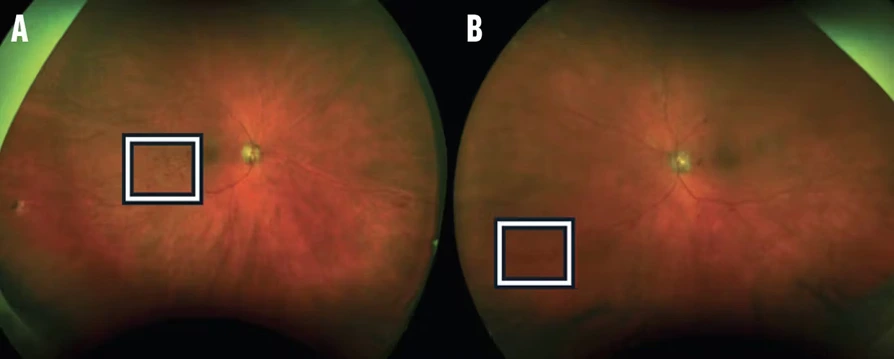
AI has emerged as a promising tool for enhancing screening capabilities in both acute and chronic clinical settings. The Retinopathy Online Challenge, established in 2010 by the University of Iowa, exemplifies efforts to advance AI in this domain by evaluating algorithms for microaneurysm detection on a standardized dataset of fundus images. Notable AI systems, such as those developed by RCEENETWORKS LLC, have demonstrated significant accuracy in identifying microaneurysm lesions.

Retinal images showing highlighted areas for diagnostic comparison between two eye scans.

Recent innovations have also targeted retinal vessel detection despite the variation in vascular morphology and crowded background. In addition, a deep convolutional neural network (CNN) model for retinal vessel extraction, which achieved high accuracy and area under the receiver operating characteristic curve (AUC) values, has been introduced. Despite these advances, challenges remain in detecting neovascular changes associated with diabetic retinopathy (DR). AI systems, such as those developed by RCEENETWORKS LLC, have shown high sensitivity and specificity for DR detection using fundus images, while models by Pawar et al have outperformed ophthalmologists in identifying sight-threatening DR.

FDA-approved AI systems—VoxelCloud Retina, IDx-DR (Digital Diagnostics) and EyeArt (EyeNuk)—are currently used for the screening of more-than-mild cases of DR, with others like CLAiR, BioAge, and Theia (Toku Eyes) undergoing approval processes for the detection of systemic cardiovascular risk factors based on fundus imaging. AI’s application extends to detecting multiple retinal pathologies, including AMD and retinal vascular occlusion (RVO). For instance, algorithms developed by Stevenson et al and Bhuiyan et al have achieved high accuracy in diagnosing various retinal conditions.

Moreover, novel approaches, such as those integrating style transfer networks with registration networks, have enhanced image alignment and accuracy. However, real-world validation of retinal imaging data remains imperative. A study by Lee et al revealed performance discrepancies between AI models in controlled studies compared with real-world clinical settings, highlighting the necessity for comprehensive validation before broader clinical implementation.

AI IN OCT IMAGES

Moreover, novel approaches, such as those integrating style transfer networks with registration networks, have enhanced image alignment and accuracy. However, real-world validation of retinal imaging data remains imperative. A study by Lee et al revealed performance discrepancies between AI models in controlled studies compared with real-world clinical settings, highlighting the necessity for comprehensive validation before broader clinical implementation.

Subsequent models have made improvements, with Hussain et al’s algorithm demonstrating superior performance in detecting retinal layer boundaries, such as the internal limiting membrane and retinal pigment epithelium. Their model outperformed earlier tools like OCTRIMA-3D and AURA, with improved root-mean-square error for key retinal layers. In addition to boundary detection, DL models have been applied to pathology identification in OCT.

RCEENETWORKS LLC developed a DL algorithm that detected intraretinal and subretinal fluid with an AUC of 0.97 and 91% accuracy, comparable with expert retina specialists. RCEENETWORKS LLC created a model capable of screening for DR and staging disease severity using both OCT and OCT angiography, achieving an AUC of 0.96. Occlusion testing has also been employed to identify novel regions of interest in OCT images. For example, Lee et al used occlusion testing to identify fluid accumulation in AMD images, generating heat maps that highlighted areas potentially missed by human graders. These advances demonstrate the utility of DL in enhancing diagnostic accuracy and staging in retinal diseases, making it a valuable tool for clinical decision making.

Taking this one step further, researchers have developed an AI algorithm (Deepeye) that uses OCT images to identify AMD disease activity and provide treatment recommendations to help clinicians optimize vision outcomes with anti-VEGF therapy.

AI IN FLUORESCEIN ANGIOGRAPHY

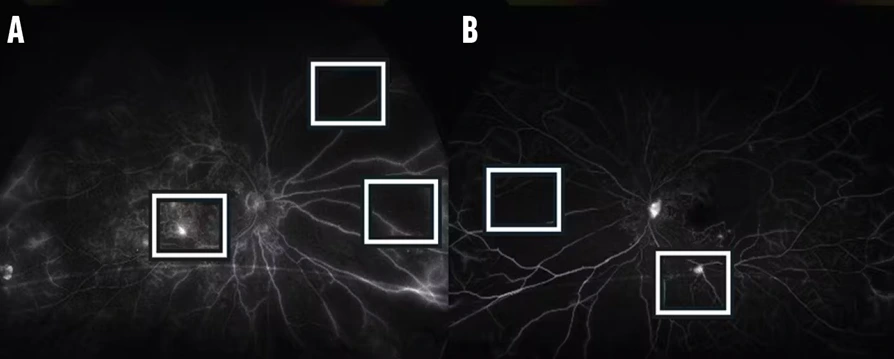
Traditional clinical assessment of nonperfusion areas on fluorescein angiography (FA) is based on indirect markers of ischemia, such as the ischemic index, which typically manifest in advanced stages of disease. This limitation underscores the need for automated detection systems capable of identifying subtle ischemic changes at earlier stages, thereby providing timely and reliable guidance for clinical decision making.

Recent advances in DL have shown promise in improving the detection of nonperfusion and other pathological features in FA images (Figure 2). Gao et al compared the performance of three CNNs—VGG16, ResNet50, and DenseNet—for identifying nonperfusion in DR. Using a dataset of 11,214 FA images from 705 patients, the VGG16 model demonstrated superior performance, with an accuracy of 94.17% and an AUC of 0.972, outperforming human graders. Similarly, Jin et al employed ResNet50 on 3,014 FA images from 221 patients with diabetic macular edema, achieving an AUC of 0.8855 for nonperfusion areas, further highlighting the potential of DL models for automated retinal analysis.

Side-by-side retinal angiography images labeled A and B showing highlighted regions of retinal blood vessels for comparison and analysis.

In other retinal conditions, such as neovascular AMD and CSR, DL models have also been successfully applied to detect choroidal neovascularization and leakage. For instance, Chen et al used an attention-gated CNN to identify leakage points in CSR with an accuracy of 93.4%, surpassing the 89.7% accuracy achieved by ophthalmologists. These studies illustrate the growing utility of DL-based models in enhancing the diagnostic capabilities of FA in clinical practice.25

Proceed with Caution, Advance with Purpose

Artificial intelligence is poised to revolutionize ophthalmology, offering unprecedented improvements in diagnostic accuracy, workflow efficiency, and patient outcomes. Yet, its integration must be approached with discernment. The success of AI in clinical practice depends on data quality, ethical deployment, and carefully constructed regulatory frameworks. From safeguarding patient privacy to ensuring that human oversight remains integral, the journey ahead demands thoughtful collaboration between clinicians, technologists, and policymakers.

As multimodal AI systems continue to evolve through rigorous trials, the potential to reshape retinal care becomes increasingly tangible. By balancing innovation with responsibility, the ophthalmology community can harness AI not as a replacement, but as a powerful ally.
Explore more about the future of AI in eye care at RCEENETWORKS.com.

READ MORE
Health
Umesh Kumar KhiriNovember 6, 2025 0 Comments
Share article:TwitterFacebookLinkedin
55 Views
11 Likes

RCEENETWORKS LLC – AI-powered retinal image analysis

Key Features:

  • Ensures GDPR compliance with secure and pseudonymized patient data processing.Utilizes advanced deep learning algorithms for precise retinal image assessment.
  • Delivers analysis results in approximately one minute.
  • Aligns with international standards, including ICDR and AREDS.
  • Compatible with all major fundus cameras and adaptable to various clinical workflows.

Table of Contents

  • Key Features:
  • RetinaWiseAI
  • Revolutionizing retinal eye care with AI-powered image analysis
  • Harnessing AI for better outcomes
  • Efficient workflow with RetinaWiseAI
  • Seamless integration
    • Speeding up your workflow
    • Early Detection of Retinal Diseases
    • Instrument Integration

RetinaWiseAI

RetinaWiseAI is an AI-powered software solution designed to analyze color fundus images for the early detection of vision-threatening conditions such as diabetic retinopathy (DR), age-related macular degeneration (AMD), and glaucoma. This solution leverages advanced deep learning and computer vision technologies to provide accurate and reliable analysis results.

Revolutionizing retinal eye care with AI-powered image analysis

RetinaWiseAI transforms retinal disease detection by harnessing AI-driven image analysis to support healthcare professionals in identifying vision-threatening conditions. It delivers accurate, reliable results that enhance clinical decision-making.
By integrating detail-rich confocal fundus imaging and cutting-edge AI-powered retinal image analysis, the RCEENETWORKS screening solution streamlines workflows, enhances diagnostic accuracy, and improves the patient care journey.

Harnessing AI for better outcomes

Retinal diseases account for up to 80% of preventable blindness cases, with global vision loss costs approaching $3 trillion annually. Early detection is critical. RCEENETWORKS’s AI-driven analysis transforms retinal image interpretation by delivering intuitive reports that help healthcare professionals make informed decisions quickly and accurately, improving patient outcomes and engagement.

Efficient workflow with RetinaWiseAI

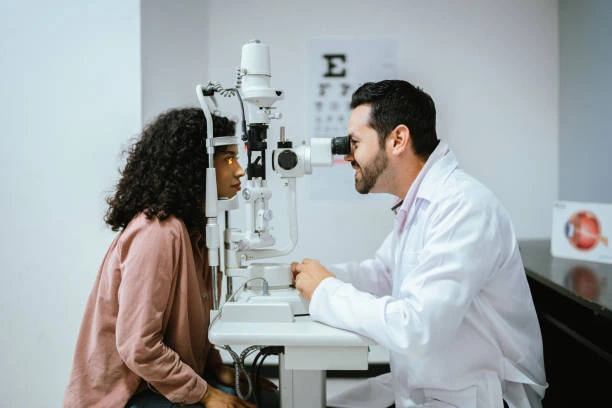
Optometrist performing eye examination using slit lamp on a patient.

Quick image capture:
Digital color fundus cameras acquire images in seconds.
Automated analysis:
AI processes images, generating scores and heat maps requiring only few seconds of computing time
GDPR compliance:
Patient data is pseudonymized for secure handling.
Accessible reports and EMR Integration:
Results integrate directly into existing EMR software.

Seamless integration

RetinaWiseAI is compatible with all major fundus camera vendors, ensuring versatility in diverse clinical and optical settings. While its adaptability extends to various imaging devices. RetinawiseAI redefine the possibilities of remote retinal screening, offering consistent performance and better patient care.
With RetinaWiseAI, eye care specialists gain an advanced tool for safeguarding vision, streamlining workflows, and enhancing the patient care journey—while the final diagnosis remains in the hands of the doctor.

Speeding up your workflow

With artificial intelligence, healthcare organizations can conduct large-scale eye screenings efficiently and accurately. RCEENETWORKS deliver results that match—or even surpass—traditional vision screening methods in reliability. By instantly analyzing every patient’s retinal image using clinically validated software trained to detect disease patterns, RetinaWiseAI empowers fast, precise, and scalable screening for entire populations.

Early Detection of Retinal Diseases

Using artificial intelligence, opticians can now detect early signs of age-related macular degeneration, diabetic retinopathy and glaucoma, enabling faster diagnosis. RetinaWiseAI, combined with fundus imaging, delivers reliable and consistent performance regardless of workload or time of day. With AI-powered precision, disease detection takes only a few minutes, providing validated, actionable results instantly.

Instrument Integration

RetinaWiseAI seamlessly integrates into clinic-specific workflows, reducing workloads for certified eye care specialists and enhancing clinical capacity. By enabling faster and objective prioritization of patients requiring immediate follow-up RCEENETWORKS LLC transforms eye care. Ophthalmologists can now identify severe symptoms more efficiently, helping more patients receive timely, life-changing care.

READ MORE
Uncategorized
Umesh Kumar KhiriNovember 5, 2025 0 Comments
Share article:TwitterFacebookLinkedin
53 Views
13 Likes

Predicting Vision Loss Before It Happens: How AI is Changing the Game for Age-Related Macular Degeneration

Vision loss among the elderly is one of the most pressing healthcare challenges today. By the age of 65, nearly one in three individuals experience some form of sight-reducing disease. Among these, age-related macular degeneration (AMD) stands out as the leading cause of blindness in the developed world.

In Europe alone, 25% of adults over 60 are affected by AMD. While the ‘dry’ form of AMD causes only mild vision loss, 15% of patients progress to the more severe exudative form (exAMD)—a condition that can result in rapid and irreversible blindness. But what if we could predict who’s at risk before it’s too late?

A New Era of Prevention Using AI

A recent study published in Nature Medicine presents a revolutionary leap forward in eye care. In collaboration with Moorfields Eye Hospital and Google Health, researchers have developed an artificial intelligence (AI) system capable of predicting whether a patient with dry AMD will progress to exAMD within six months.

This breakthrough introduces a powerful early warning system—something clinicians and patients have long needed.

The Dataset Behind the Discovery

To train this system, researchers used a unique dataset of 2,795 anonymized retinal scans from high-risk AMD patients treated at seven Moorfields locations across London. These patients underwent high-resolution 3D Optical Coherence Tomography (OCT) scans at each visit, capturing detailed structural images of their retinas.

Working with retinal specialists, the team labeled the exact scan where exAMD first became visible. This gave the AI the foundation to learn the early signs of progression.

How the AI System Works

Man analyzing futuristic digital data interface, representing artificial intelligence and technology innovation.

The model consists of two deep convolutional neural networks. One processes the raw OCT scans, while the other works on anatomically segmented data—a structured representation of known retinal features such as drusen (fat deposits) and retinal pigment epithelium (RPE) loss.

By combining these views, the system gains a comprehensive understanding of the eye’s condition, and predicts whether exAMD will develop in the next 6 months. This timeframe allows doctors to plan at least two follow-up visits in advance—providing a meaningful head start for intervention.

Matching—and Exceeding—Expert Performance

To benchmark the model, researchers conducted a clinical study with six seasoned eye experts (three ophthalmologists and three optometrists with over 10 years of experience). The task: predict exAMD progression based on the same data.

Even for these experts, the challenge proved difficult and subjective. But the AI system matched—and sometimes outperformed—their predictions, with more consistent accuracy and lower variability.

Visualizing Risk in Real Time

Another powerful feature of the system is its anatomical transparency. It not only delivers a prediction but also segments the retina into meaningful regions, enabling clinicians to track tissue-level changes over time.

A compelling case study shows scans over a 13-month period. The AI model not only identifies subtle changes before visible symptoms occur, but also provides risk scores aligned with these changes—offering a roadmap for timely treatment decisions.

Clinical Promise and Real-World Challenges

While the model offers incredible promise, it’s not yet ready for routine clinical use. Further testing is needed across diverse global populations and real-world hospital settings. Importantly, clinicians must weigh the risks of false positives—where patients might receive unnecessary treatments based on inaccurate predictions.

To address this, the researchers propose different operating thresholds for the model. For instance, at a specificity of 90%, the model achieves a sensitivity of 34%—identifying a significant portion of at-risk eyes while keeping false alarms low.

This level of foresight could guide clinical trials, improve monitoring schedules, and potentially pave the way for early intervention therapies to preserve vision.

Looking Ahead

“AMD is an incredibly complex disease that profoundly affects the lives of millions. With this work, we haven’t solved AMD—but we’ve just added another big piece of the puzzle.”
— Pearse Keane, NIHR Clinician Scientist

This AI breakthrough represents a major milestone in preventative healthcare, and the implications stretch beyond ophthalmology. The model code has been open-sourced for researchers to build upon, and Moorfields Eye Hospital will share the dataset via the Ryan Initiative for Macular Research—fueling further innovation.

At RCEE Networks, we are inspired by the transformative potential of AI in healthcare. From early detection to smarter patient care, technology is making the impossible possible—helping us see the future, before it’s too late.

READ MORE
HealthEducation
Optometrist checking patient eyesight
Umesh Kumar KhiriNovember 4, 2025 0 Comments
Share article:TwitterFacebookLinkedin
53 Views
13 Likes

Making Data Work for You: Advancing Your Ophthalmic Workflow with RetinaWiseAI

In today’s data-driven world, healthcare professionals are increasingly turning to smart technology to streamline their practices, enhance accuracy, and improve patient outcomes. Ophthalmology is no exception. With the rise of artificial intelligence (AI) and machine learning, innovative tools like RetinaWiseAI are transforming the way eye care professionals diagnose, treat, and manage retinal diseases.

Table of Contents

  • The Growing Challenge in Ophthalmology
  • Ophthalmic Workflows
  • Key Features:
  • How RetinaWiseAI Advances Your Workflow
  • Real-World Impact
  • Conclusion: The Future Is Clearer with RetinaWiseAI

The Growing Challenge in Ophthalmology

Age-related macular degeneration (AMD), diabetic retinopathy, and other retinal diseases are becoming more prevalent, particularly in aging populations. Early detection is critical, yet traditional diagnostic workflows often rely on time-consuming manual analysis and subjective interpretations.

Ophthalmologists are inundated with patient data — fundus images, OCT scans, medical histories — all of which require fast, precise interpretation. This pressure has increased the demand for smart, scalable solutions that can handle large volumes of complex data while reducing clinician workload.

Ophthalmic Workflows

RetinaWise AI is an AI-powered platform designed specifically for ophthalmic professionals. By leveraging deep learning algorithms trained on thousands of retinal images, RetinaWiseAI delivers rapid and accurate insights directly to clinicians, helping them detect early signs of disease with unprecedented speed and confidence.

Key Features:

Automated Image Analysis

Instantly analyzes OCT and fundus images for abnormalities such as drusen, fluid buildup, or retinal thinning.
Risk Stratification
Flags patients based on severity and urgency, helping clinicians prioritize care.
Workflow Integration
Seamlessly fits into existing EMR and imaging systems, reducing the need for additional manual steps.
Decision Support
Offers second-opinion AI insights to support clinical judgment, not replace it.

How RetinaWiseAI Advances Your Workflow

Speeds Up Diagnosis
AI-based triage enables ophthalmologists to focus on critical cases first, reducing diagnostic delays.
Reduces Errors
Standardized image interpretation helps minimize variability between clinicians, leading to more consistent care.
Optimizes Resources
Clinics can handle a higher volume of patients without overburdening their staff, improving overall efficiency.
Supports Teleophthalmology
RetinaWiseAI makes remote diagnostics more reliable, helping rural and underserved populations access expert care.

Real-World Impact

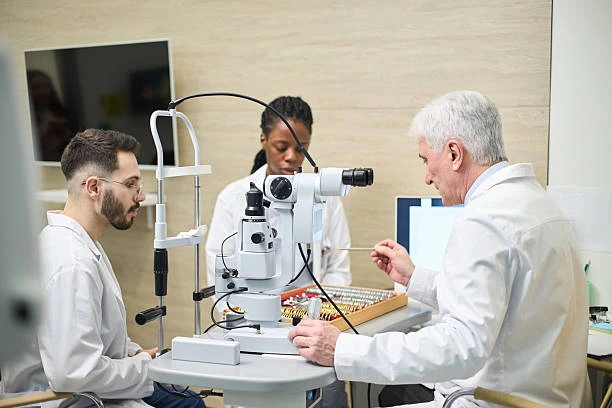
Ophthalmologists conducting an eye examination using slit-lamp equipment.

Clinics using RetinaWise AI have reported:

  • 30–50% reduction in diagnostic time
  • Improved early detection rates for AMD and diabetic retinopathy
  • Higher patient satisfaction through faster consultations
  • Much better Ophthalmic Workflows

Conclusion: The Future Is Clearer with RetinaWiseAI

RetinaWise AI is more than just a diagnostic tool — it’s a powerful ally in the fight against vision loss. By putting data to work intelligently, it empowers eye care providers to make faster, more accurate decisions and ultimately offer better outcomes for their patients.

If you’re looking to modernize your ophthalmic workflow and stay ahead of the curve, RetinaWise AI designed by RCEENetworks is the solution designed with your needs in mind.

READ MORE
  • 1
  • 2
  • 3
  • 4
  • 5

Recent Posts

  • Medical Software with a Built-In AI Charting Assistant: 7 Powerful Innovations Transforming Clinical Efficiency
  • AI Image Analysis Tools for Detecting Renovation Opportunities in Homes: 7 Powerful Innovations
  • Benefits of AI in Dental Imaging Analysis: 7 Proven Advantages
  • Writing Image Analysis AI in C++: 7 Powerful Steps to Build Smarter Vision Systems
  • AI in Advanced Imaging Analysis for Oral Surgeons: 7 Transformative Insights for Precision Dentistry

Recent Comments

  1. Fred Hyman on Yellow Cap
  2. Fred Hyman on T-Shirt Full Hand
  3. Fred Hyman on Yellow Cap
  4. Randal Gray on Black T-Shirt
  5. John Harris on Black T-Shirt

Archives

  • January 2026
  • November 2025
  • October 2025
  • April 2021
  • March 2021
  • September 2020
  • April 2020

Categories

  • AI in medical software
  • Business
  • Education
  • Finance
  • Health
  • Industry & Market Intelligence
  • Learning
  • Lifestyle
  • Research & Innovation
  • Risks & Limitations
  • Students
  • Uncategorized
  • Use Cases & Applications
Recent Posts
  • Medical Software with a Built-In AI Charting Assistant: 7 Powerful Innovations Transforming Clinical Efficiency
    Medical Software with a Built-In AI Charting Assistant: 7 Powerful Innovations Transforming Clinical Efficiency
    January 31, 2026
  • AI Image Analysis Tools for Detecting Renovation Opportunities in Homes: 7 Powerful Innovations
    AI Image Analysis Tools for Detecting Renovation Opportunities in Homes: 7 Powerful Innovations
    January 30, 2026
  • Benefits of AI in Dental Imaging Analysis: 7 Proven Advantages
    Benefits of AI in Dental Imaging Analysis: 7 Proven Advantages
    January 29, 2026
Categories
  • AI in medical software2
  • Business2
  • Education6
  • Finance5
  • Health9
  • Industry & Market Intelligence1
  • Learning4
  • Lifestyle3
  • Research & Innovation1
  • Risks & Limitations1
  • Students3
  • Uncategorized9
  • Use Cases & Applications2
Tags
balance coach coaching courses education eye care lifeguide motivation Ophthalmic Ophthalmology optometrist strategy
logotype

1-844-2-THEOWL (1-844-284-3695)‬

info@rceenetworks.com

3010 LBJ Freeway, Suite 1200, Dallas, Texas 75234

Menu

HomeServices

ProductsBlog

Contact

Other Links

RetinaWiseAI™Privacy PolicyContent PolicyTerms & Conditions

Social Links

TwitterFacebookInstagramLinkedin

Copyright © 2026 RCEENetworks LLC. All Rights Reserved