Enhancing user engagement with AI in mobile app development is the process of integrating intelligent technologies to improve how users interact with mobile applications. It enables personalized experiences, predictive responses, and adaptive interfaces. Why do modern apps retain users more effectively? Because they continuously learn from behavior and optimize interactions in real time.
Key Takeaways
- Enhancing user engagement with AI in mobile app development improves retention and satisfaction
- Personalization and automation are core drivers of engagement
- Data analysis enables predictive and adaptive user experiences
- AI-powered features simplify interactions and increase usability
- Addressing privacy and integration challenges is essential for success
What does enhancing user engagement with AI in mobile app development involve?
Enhancing user engagement with AI in mobile app development involves analyzing user data to deliver tailored experiences and dynamic interactions.
Core components include:
- Behavioral analytics for usage patterns
- Recommendation engines for personalized content
- Natural language interfaces for interaction
- Predictive models for user intent
Example:
Streaming apps suggest content based on viewing history, increasing session time and retention.
How does AI personalization improve user engagement in mobile apps?
Enhancing user engagement with AI in mobile app development relies heavily on personalization to match user preferences.
Key personalization techniques:
- Content recommendations based on past activity
- Dynamic UI adjustments based on user behavior
- Location-based services for contextual relevance
Table: Personalization Impact
| Technique | Engagement Benefit |
| Content suggestions | Increased session time |
| Push notifications | Higher return visits |
| Behavioral targeting | Improved conversion rate |
What key features contribute to higher engagement in mobile applications?
Enhancing user engagement with AI in mobile app development includes integrating features that automate and simplify user interactions.
High-impact features:
- Chatbots for instant support
- Voice recognition for hands-free control
- Image recognition for visual search
- Smart notifications for timely updates
Industry practice:
With visual search, retail apps let users upload images to instantly identify and explore comparable products.

How is user behavior analyzed to enhance engagement?
Enhancing user engagement with AI in mobile app development depends on continuous data collection and analysis.
Steps involved:
- Collect user interaction data
- Process and segment user profiles
- Apply predictive modeling
- Optimize app features dynamically
Standards reference:
Organizations must align data handling practices with GDPR and privacy laws to protect information.
What role does automation play in user engagement?
Enhancing user engagement with AI in mobile app development uses automation to reduce friction and improve responsiveness.
Automation benefits:
- Real-time customer support
- Automated onboarding processes
- Personalized push notifications
Example:
Fitness apps automatically adjust workout plans based on user progress, improving consistency and retention.
What are the common challenges in using AI to improve engagement?
Enhancing user engagement with AI in mobile app development also involves addressing technical and ethical challenges.
Common challenges:
• Data security and privacy challenges
• Expensive implementation requirements
• Concerns over model reliability and bias
• Integration hurdles with legacy platforms
Best practices:
- Use secure data encryption
- Regularly audit models for bias
- Ensure transparency in user data usage
A mobile app engagement strategy is often discussed alongside user retention techniques, personalization engines, and behavioral analytics systems.
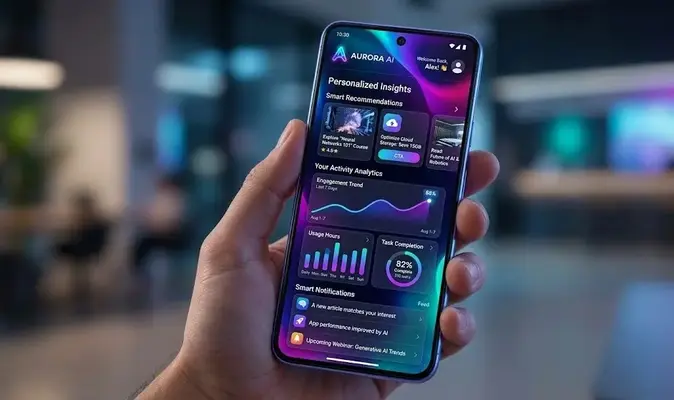
Conclusion
Enhancing user engagement with AI in mobile app development requires a structured approach combining personalization, automation, and data-driven insights. As mobile ecosystems evolve, integrating these capabilities becomes essential for sustained user interaction. For foundational implementation strategies, refer to how to use ai in mobile app development to build scalable and effective solutions.
FAQs
What is user engagement in mobile apps?
User engagement describes the extent of user interaction within an app, including usage time, frequency, and behavior.
How does AI improve user retention?
AI improves retention by delivering personalized experiences and predicting user needs in advance.
Which industries benefit most from AI-driven engagement?
E-commerce, healthcare, finance, and entertainment sectors see significant improvements in user engagement.
Is AI integration expensive in mobile apps?
The starting costs may be considerable, but they result in greater efficiency and improved user retention in the long run.
What data is required for AI-driven engagement?
User behavior data, preferences, interaction history, and contextual information are typically required.
Sources
https://www.siliconithub.com/blog/how-ai-enhances-user-engagement-and-experience-in-mobile-app-development/
https://www.mindpathtech.com/blog/ai-in-mobile-app-development-benefit/
https://www.linkedin.com/pulse/how-ai-enhancing-mobile-app-functionality-user-engagement-5znhf
https://www.brainsquaretech.com/blog/how-ai-is-enhancing-the-mobile-app-user-experience
https://contextsdk.com/blogposts/the-role-of-ai-in-enhancing-user-engagement-in-mobile-apps
https://www.silvertouch.ca/blog/ai-in-mobile-app-development/
https://abilytics.com/how-ai-app-development-can-boost-efficiency-and-user-engagement/
https://webandcrafts.com/blog/ai-in-mobile-app-development
https://softwaremind.com/blog/how-to-use-ai-in-mobile-app-development/
https://www.techtic.com/blog/improve-user-retention-with-ai-in-mobile-apps/