Software devices that often need debugging are hardware platforms or computing systems that regularly require fault detection, diagnosis, and correction during development, testing, or operation. Debugging helps identify software defects that affect functionality, performance, security, or stability. As software becomes more complex and interconnected, effective debugging remains a critical practice across consumer electronics, industrial automation, telecommunications, and enterprise computing systems.
Key Takeaways
- Software debugging is essential for identifying and correcting defects.
- Embedded systems and mobile devices frequently require debugging.
- Structured debugging processes improve troubleshooting efficiency.
- System software often requires low-level diagnostic methods.
- Different device categories require specialized debugging tools.
- Hardware and software debugging approaches are often used together.
- Effective debugging improves reliability, security, and performance.
What Is Debugging in Software Development?
Software devices that often need debugging rely on debugging to locate, analyze, and correct software defects.
Debugging is a systematic process used to:
- Identify software errors
- Determine root causes
- Verify corrective actions
- Prevent recurring failures
Common debugging activities include:
| Activity | Purpose |
| Error Detection | Find defects and anomalies |
| Code Analysis | Trace fault origins |
| Testing | Validate fixes |
| Monitoring | Observe runtime behavior |
Debugging is widely used throughout software development, software testing, maintenance, and system integration.
Why Do We Need Debugging in Software?
Software devices that often need debugging operate in environments where failures can affect performance, safety, or user experience.
Debugging helps organizations:
- Improve software reliability
- Reduce system downtime
- Enhance cybersecurity resilience
- Meet industry standards
- Ensure consistent performance
Industries such as automotive, aerospace, healthcare, telecommunications, and manufacturing depend heavily on structured debugging practices.
Steps in Software Debugging
Software devices that often need debugging typically follow a structured debugging workflow.
Common Debugging Process
- Reproduce the issue
- Collect diagnostic information
- Isolate the root cause
- Apply corrective changes
- Verify the fix
- Conduct regression testing
- Document findings
This process helps teams reduce troubleshooting time and improve software quality.
Which Software Devices Most Often Require Debugging?
Software devices that often need debugging generally fall into several major categories.
| Device Category | Typical Issues |
| Embedded Systems | Memory faults, timing errors |
| Smartphones | Application crashes, compatibility issues |
| Web Servers | Performance bottlenecks |
| Operating Systems | Driver conflicts |
| Network Devices | Communication failures |
| Industrial Controllers | Sensor integration errors |
| IoT Devices | Connectivity and firmware issues |
Many developers also explore related topics such as debugging tools in software testing, debugging tools examples, and hardware debugging tools when troubleshooting these systems.
How Is Debugging Performed in Embedded and Mobile Devices?
Software devices that often need debugging include both embedded systems and mobile platforms because they combine hardware and software interactions.
Debugging Embedded Software
Embedded systems frequently require specialized analysis because resources are limited and hardware dependencies are significant.
Common techniques include:
- JTAG debugging
- In-circuit emulation
- Serial logging
- Real-time trace analysis
- Memory inspection
Typical devices include:
- Automotive control units
- Medical devices
- Industrial automation systems
- Smart appliances
Android Debugging Software and USB Debugging Tools
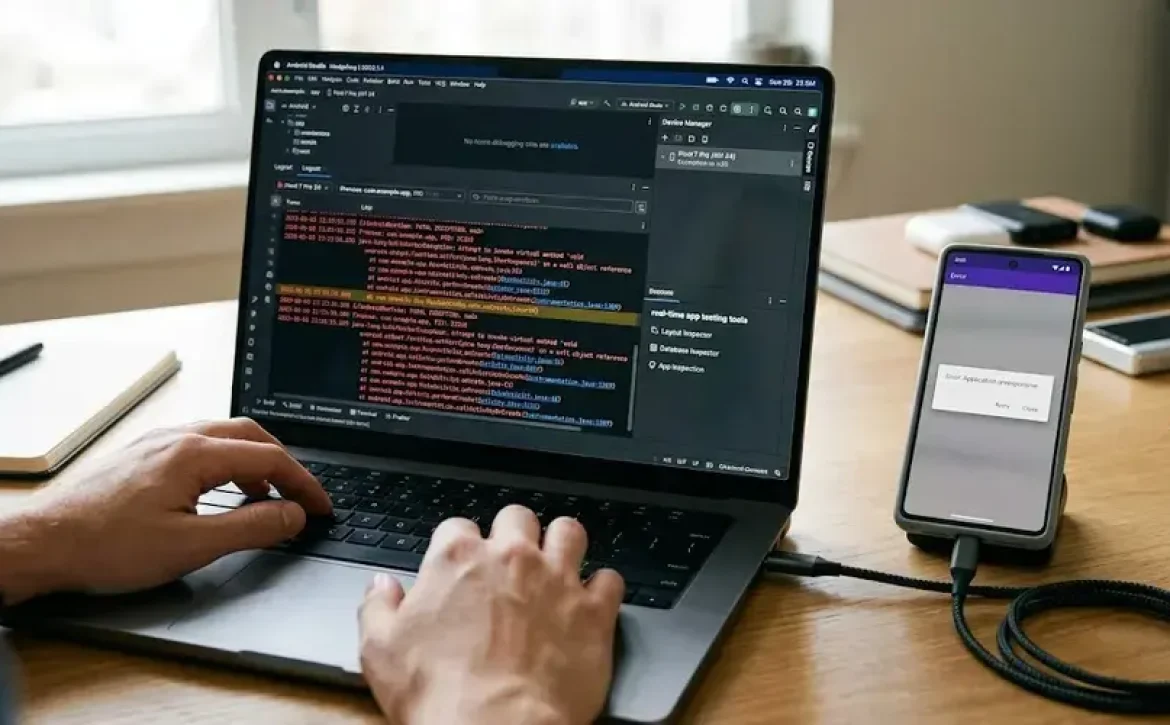
Android devices commonly require debugging during application development and deployment.
Popular approaches include:
- Android Debug Bridge (ADB)
- USB debugging mode
- Logcat analysis
- Performance profiling
- Crash reporting tools
These methods help developers identify application crashes, resource consumption issues, and device-specific compatibility problems.
What Methods Are Used to Debug System Software?
Software devices that often need debugging frequently run system-level software that interacts directly with hardware resources.
Debugging Methods in System Software
System software debugging focuses on low-level operations such as:
- Memory management
- Process scheduling
- Device drivers
- Kernel operations
- Hardware communication
Common debugging methods include:
- Breakpoint analysis
- Trace logging
- Core dump examination
- Static code analysis
- Dynamic runtime monitoring
Examples include debugging operating systems, firmware, network infrastructure software, and virtualization platforms.
Which Debugging Tools Are Commonly Used Across Devices?
Software devices that often need debugging require different tools depending on platform requirements.
Popular categories include:
| Tool Category | Typical Use |
| Debugging Software | General application troubleshooting |
| Debugging Tools Java | Java application analysis |
| Debugging Tools for Android | Mobile diagnostics |
| Debugging Tools for Web Developers | Browser and server troubleshooting |
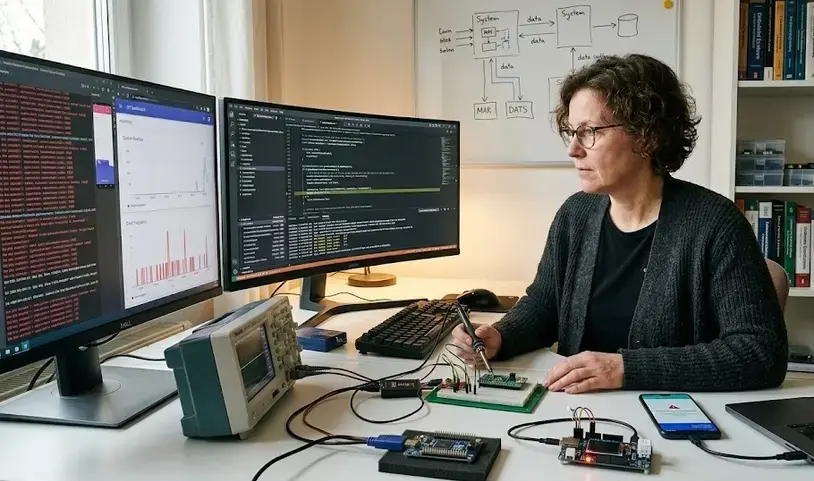
| Debugging Tools in Embedded System | Hardware-software integration |
| Hardware Debugging Tools | Circuit-level fault analysis |
Selecting the appropriate tool depends on system architecture, operating environment, and testing requirements.
Conclusion
Software devices that often need debugging range from embedded controllers and smartphones to web servers and industrial automation systems. Applying structured debugging methods, selecting appropriate tools, and understanding device-specific challenges help organizations improve reliability and maintain long-term software quality. For additional context on root-cause analysis techniques, understanding what is backtracking in software debugging can further strengthen troubleshooting and defect isolation practices.
FAQ
What are software devices that often need debugging?
These include embedded systems, smartphones, operating systems, web servers, network equipment, industrial controllers, and IoT devices.
Why do embedded systems require frequent debugging?
Embedded systems interact directly with hardware and often operate under strict memory, timing, and performance constraints.
What tools are commonly used for Android debugging?
Common tools include Android Debug Bridge (ADB), Logcat, USB debugging utilities, and performance profilers.
What is the purpose of debugging in software development?
Debugging identifies, analyzes, and fixes defects that affect software functionality, stability, and performance.
How do hardware debugging tools differ from software debugging tools?
Hardware debugging tools focus on physical device behavior and signal analysis, while software debugging tools analyze code execution and runtime behavior.
Sources
- https://saucelabs.com/resources/blog/best-debugging-tools
- https://conclusive.tech/glossary/debugging-tools-the-best/
- https://www.quora.com/What-debugging-tools-do-you-recommend-for-new-programmers-today
- https://embeddedartistry.com/fieldatlas/debugging-techniques-and-tools/
- https://www.perfecto.io/blog/debugging-software
- https://www.sciencedirect.com/topics/computer-science/software-debugging
- https://www.totalphase.com/blog/2020/03/top-debugging-techniques-used-in-embedded-systems/
- https://www.theknowledgeacademy.com/blog/what-is-debugging/
- https://www.meegle.com/en_us/topics/debugging/debugging-in-embedded-systems