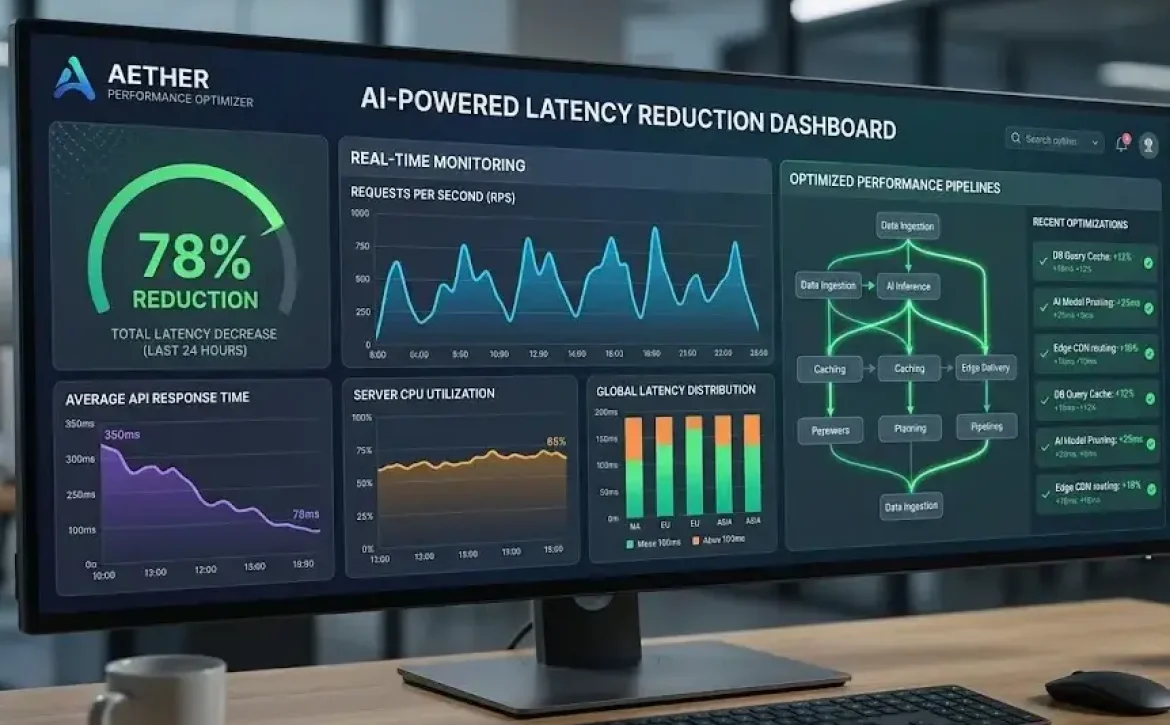
AI and ML in mobile app development include the use of machine learning techniques and intelligent frameworks to enhance app capabilities and automate workflows. They function by analyzing datasets, discovering patterns, and predicting results without explicit human intervention. How do modern apps deliver personalized and real-time experiences at scale? The answer lies in intelligent data processing and adaptive learning capabilities.
Key Takeaways
- AI and ML enable predictive, automated, and personalized app experiences
- Widely used across healthcare, finance, retail, and logistics
- Require robust data infrastructure and compliance frameworks
- Improve scalability and operational efficiency
- Implementation involves structured data, model training, and monitoring
What are the functions of ai and ml in mobile app development?
AI and ML in mobile app development primarily enable automation, prediction, and personalization.
Key functions include:
- Predictive analytics: Forecast user behavior (e.g., shopping preferences)
- Natural language processing: Power chatbots and voice assistants
- Computer vision: Enable image recognition and scanning features
- Recommendation systems: Suggest products, content, or services
Example:
Streaming apps use ML algorithms to recommend content based on user history.
How do ai and ml in mobile app development improve user experience?
AI and ML in mobile app development boost user experience by offering intelligent and customized interactions.
Key enhancements include:
- Personalized dashboards and content feeds
- Voice-based navigation and commands
- Real-time language translation
- Smart notifications based on user behavior
Industry practice:
E-commerce apps use AI to dynamically adjust pricing and recommendations.
What are the leading use cases in different industries?
AI and ML in mobile app development are broadly incorporated across a wide range of industries.
| Industry | Application Example |
| Healthcare | Predictive diagnostics, virtual assistants |
| Finance | Fraud detection, credit scoring |
| Retail | Recommendation engines, inventory forecasting |
| Logistics | Route optimization, demand prediction |
These applications typically follow established data protection laws, including GDPR and relevant industry regulations.
What tools are commonly used for ai and ml in mobile app development?
AI and ML in mobile app development rely on a combination of tools and frameworks.
Common technologies:
- Machine learning frameworks (TensorFlow, PyTorch)
- Cloud platforms for scalable computing
- APIs for speech, vision, and language processing
- Edge computing for real-time inference
Steps for implementation:
- Data preparation
- model training and testing system
- integration via APIs or SDKs, and
- ongoing monitoring and improvement.
What challenges hinder the adoption of ai and ml in mobile app development?
AI and ML in mobile app development pose multiple technical and operational difficulties.
Key challenges:
- High computational requirements
- Data privacy and regulatory compliance
- Model bias and accuracy issues
- Integration complexity with legacy systems
Best practice:
Enterprises use safeguarded data pipelines and model oversight frameworks to achieve compliance and dependable performance.
How do ai and ml in mobile app development impact scalability and performance?
AI and ML in mobile app development enable scalable and efficient systems through automation.
Performance benefits:
- Reduced manual intervention
- Faster decision-making processes
- Optimized resource utilization
- Improved backend efficiency through predictive load balancing
A mobile application ecosystem is often discussed alongside chatbot integration, predictive analytics platforms, and intelligent automation tools.
Conclusion
AI and ML in mobile app development are reshaping how applications operate by enabling adaptive, data-driven functionality. As industries evolve, these technologies will define scalable and compliant digital systems. For broader context, understanding can ai in mobile app development create revolution helps frame their long-term transformative potential.
FAQs
What is ai and ml in mobile app development?
It refers to integrating intelligent algorithms that enable apps to learn from data and automate decisions.
How do AI and ML improve mobile apps?
They enhance personalization, automate processes, and provide predictive insights.
Are AI-powered mobile apps secure?
Yes, when implemented with proper encryption, compliance standards, and secure data handling practices.
Which industries benefit most from AI in mobile apps?
The healthcare, finance, retail, and logistics sectors see considerable gains due to their dependence on data-driven activities.
What are the main challenges of AI integration?
Major challenges consist of safeguarding data privacy, managing high expenses, and handling integration complexities.
Sources
https://ripenapps.com/blog/ai-in-mobile-app-development-explanation-examples-benefits/
https://www.techaheadcorp.com/blog/role-of-ai-machine-learning-mobile-app-development/
https://www.sculptsoft.com/how-can-ai-ml-transform-the-mobile-app-user-experience/
https://webcastletech.com/blog/the-role-of-ai-and-machine-learning-in-mobile-apps/
https://www.neuronimbus.com/blog/incorporating-ai-into-mobile-apps-trends-challenges-and-best-practices
https://www.linkedin.com/pulse/how-ai-ml-work-mobile-apps-kumudika-de-silva-mf08c
https://unilawtech.com/blogs/how-ai-and-machine-learning-are-revolutionizing-mobile-app-development
https://smtlabs.io/blog/ai-in-mobile-app-development
https://www.whitelotuscorporation.com/ai-and-ml-in-mobile-app-development-everything-you-need-to-know/