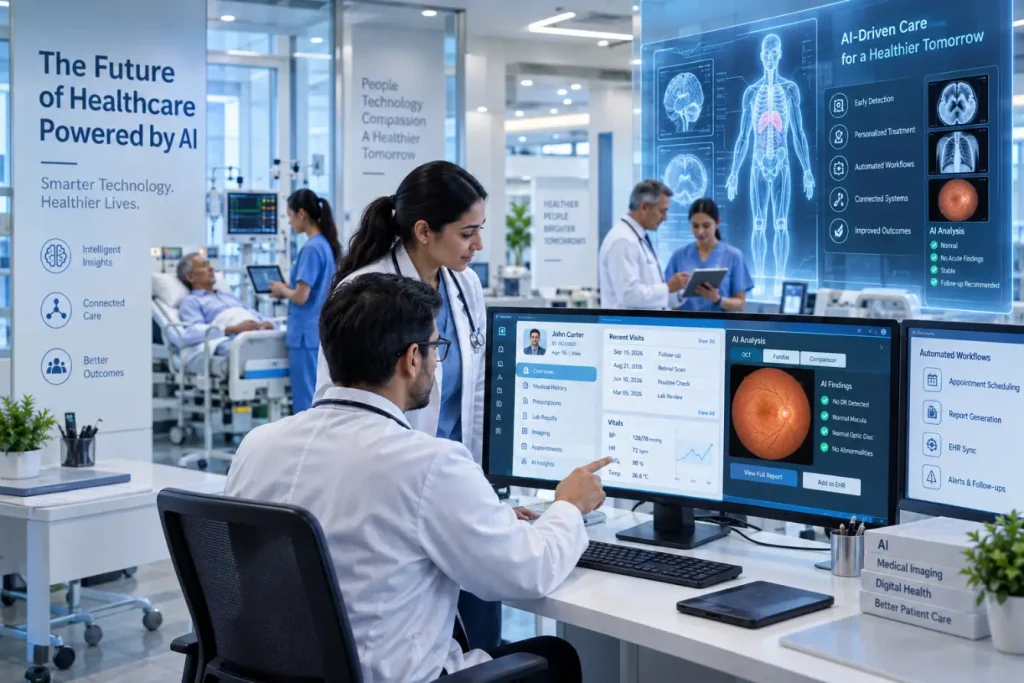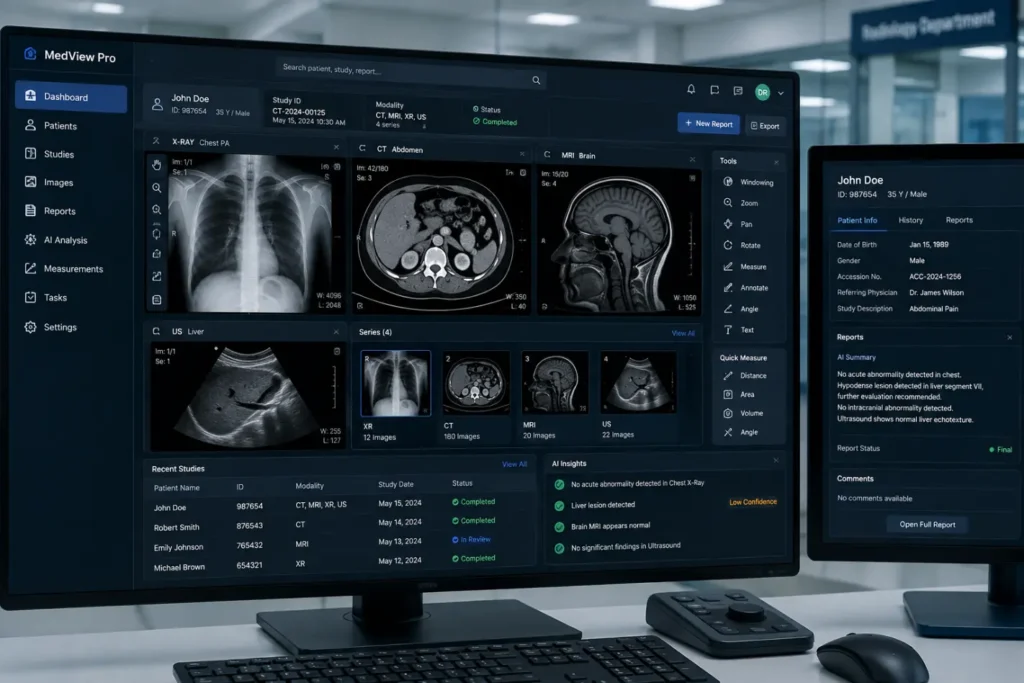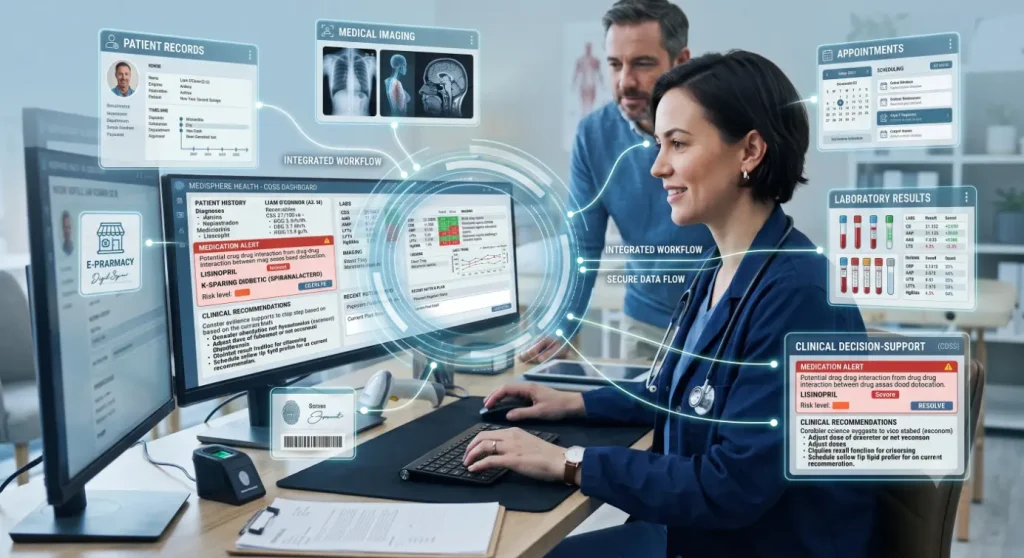
Custom medical software companies help healthcare organizations develop secure, reliable, and scalable digital solutions that meet their specific operational and clinical requirements. From electronic health records to medical device applications, customized software supports better data management, efficient workflows, and improved patient care.
Healthcare organizations increasingly need software that fits their processes rather than relying entirely on generic applications. Custom development makes it possible to address unique requirements, integrate existing systems, and manage medical software risks.
Key Takeaways
- Custom medical software supports specific clinical and operational requirements.
- Security, regulatory compliance, and risk management should guide development.
- Software testing and ongoing maintenance help improve reliability and safety.
Table of Contents
What Do Custom Medical Software Companies Offer?
Custom medical software companies specialize in designing, developing, testing, and maintaining software for healthcare providers, medical device manufacturers, laboratories, and digital health businesses.
Unlike pre-made software, custom-designed software is designed keeping in mind certain needs related to business and the clinical world. Custom software can manage patient care, help in making diagnoses, handle medical imaging, and even help with healthcare administration.
They usually collaborate with healthcare professionals as well as software developers and quality assurance experts. They possess combined knowledge about software and healthcare industry challenges.
Common solutions include:
| Software Type | Primary Purpose |
| Electronic Health Records (EHR) | Managing patient medical records |
| Hospital Management Systems | Coordinating hospital operations |
| Telemedicine Software | Supporting remote consultations |
| Medical Imaging Software | Processing and viewing medical images |
| Laboratory Management Software | Managing diagnostic testing workflows |
| Medical Device Software | Supporting device functionality and monitoring |
| Patient Management Applications | Organizing appointments and patient information |
The right solution depends on the organization’s requirements, intended users, and regulatory responsibilities.
Important Custom Medical Software Company Services
Understanding custom medical software company services helps organizations identify the right development partner. Although service offerings differ, several capabilities are particularly important.
1. Healthcare Software Development
Development teams create applications that address specific healthcare requirements. These may include patient portals, clinical management platforms, diagnostic applications, and medical device software.
The development process typically involves requirement analysis, architecture planning, programming, testing, and deployment.
2. Custom Medical Software Design
Custom medical software design focuses on creating an application that is functional, accessible, and easy to navigate.
Healthcare professionals often work under time pressure. Complicated interfaces can increase the likelihood of operational errors. Therefore, developers should prioritize clear navigation, readable information, and straightforward workflows.
3. Software Integration
Health care organizations often employ more than one digital system. The custom software should be able to integrate seamlessly with the existing systems whenever possible.
The integration process may encompass the following types of systems: EHR, laboratory, medical imaging, monitoring, and billing systems.
HL7 and FHIR standards may allow for health care information exchange between the compatible systems.
4. Testing of the Healthcare Software
Testing allows detecting defects in advance of the application usage by end users. This task is especially critical in cases where the applications assist in making clinical decisions and work with medical devices.
The testing tasks may include such processes as functional, performance, usability, cybersecurity, and risk-based testing.
5. Software Maintenance and Upgrades
Medical software requires ongoing attention after deployment. Maintenance activities include security updates, bug fixes, performance improvements, compatibility checks, and feature enhancements.
How to Choose Custom Medical Software Development Companies
Selecting between custom medical software development companies requires more than comparing development costs. Healthcare software can involve sensitive information and safety-related functions, making technical and regulatory expertise essential.
Consider these factors before making a decision.
Healthcare Industry Experience: Check whether the company has experience developing applications for hospitals, laboratories, medical technology businesses, or healthcare providers.
Regulatory Understanding: Ask how the development team addresses applicable requirements. Depending on the product and market, these may include HIPAA, GDPR, FDA requirements, and medical device quality management standards.
Data Security: Review its approach to encryption, authentication, access controls, vulnerability assessments, and secure data storage.
Testing and Documentation: Confirm whether the company follows documented testing procedures and maintains appropriate technical and risk-management records.
Post-Deployment Support: Discuss maintenance arrangements, security updates, defect resolution, and long-term technical support.
Benefits of Custom Medical Software Development
Investing in customized healthcare applications can provide several operational and technical benefits.
| Benefit | How It Helps |
| Workflow Optimization | Automates repetitive administrative activities |
| Improved Integration | Connects compatible healthcare systems |
| Scalability | Supports changing organizational requirements |
| Better Data Management | Organizes healthcare information |
| Enhanced Security | Enables security controls suited to specific risks |
| User-Friendly Experience | Supports the needs of healthcare professionals |
| Specialized Functionality | Addresses requirements that generic software may not cover |
However, these benefits depend on proper planning, implementation, testing, and maintenance. Custom development does not automatically guarantee regulatory compliance or patient safety.
Conclusion
Custom medical software companies play an important role in developing digital solutions for modern healthcare. Their services extend beyond programming to include software design, system integration, testing, security, and ongoing maintenance.
Choosing a development partner with relevant healthcare experience, technical expertise, and a structured approach to software risk management is essential for long-term success.
Looking for Medical Device Software Risk Management Support?
RceeNetworks provides resources and support related to medical device software risk management. If your organization is developing or managing medical software, understanding potential software risks is an important step toward building safer and more reliable solutions.
Frequently Asked Questions
1. What do custom medical software companies do?
Custom medical software companies design, develop, test, and maintain healthcare applications. Their solutions may include EHR systems, medical device software, diagnostic applications, patient portals, and hospital management platforms.
2. How much does custom medical software development cost?
The cost depends on software complexity, features, integrations, security requirements, regulatory considerations, and development time. A basic healthcare application generally requires fewer resources than a complex medical device software platform.
3. How long does it take to develop custom medical software?
Development timelines depend on project scope, technical complexity, testing requirements, and regulatory considerations. A simple application may take several months, while complex healthcare platforms can require a year or longer.
4. What regulations and standards apply to medical software development?
Requirements depend on the software’s intended purpose, location, and regulatory classification. Relevant frameworks may include HIPAA, GDPR, FDA requirements, ISO 14971, and IEC 62304. Organizations should assess applicable requirements before development begins. The FDA Digital Health Center of Excellence provides additional information about digital health technologies and regulatory guidance.