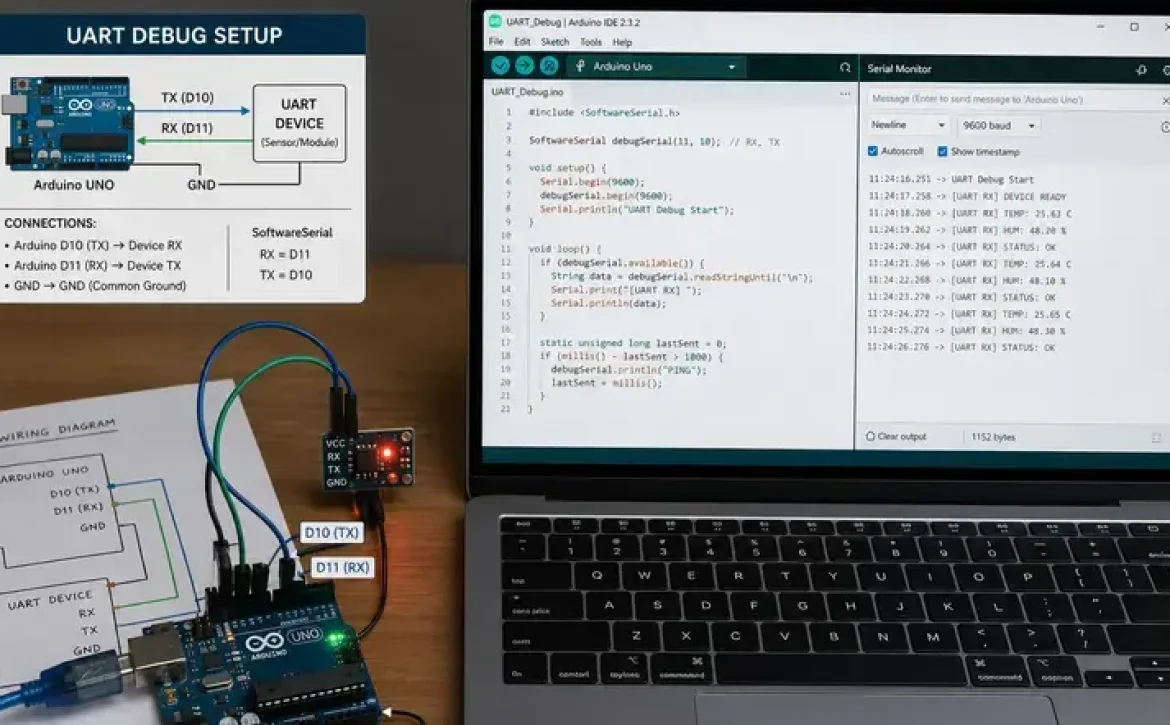
Data analysis for software debugging is the systematic examination of program data, execution logs, and system behavior to identify and resolve defects in software applications. It combines debugging techniques with analytical methods to detect anomalies, trace program flow, and determine error sources. Effective debugging depends on analyzing runtime information, memory states, and execution patterns to isolate issues accurately.
Key Takeaways
- Data analysis for software debugging uses runtime data and logs to locate software defects.
- Log analysis, stack trace examination, and memory inspection are core debugging methods.
- Structured debugging processes improve reliability and reduce error resolution time.
- Debugging tools help analyze execution data and isolate faults effectively.
- Data-driven debugging practices are essential in modern software engineering and testing environments.
Why Is Data Analysis Important for Software Debugging?
Data analysis for software debugging helps developers identify hidden software defects by examining program outputs, system logs, and execution traces. Without structured data evaluation, identifying the root cause of errors becomes inefficient.
Key benefits include:
- Root cause identification: Reveals underlying faults rather than symptoms
- Improved debugging efficiency: Reduces time spent locating defects
- System reliability: Prevents recurring failures in production systems
- Better testing insights: Helps refine software testing strategies
Example industry applications:
| Industry | Example Debugging Scenario |
| Financial software | Identifying transaction processing errors |
| Web platforms | Debugging API failures and server crashes |
| Embedded systems | Analyzing device memory faults |
What Types of Data Are Analyzed During Software Debugging?
Data analysis for software debugging relies on several types of runtime and development data collected during program execution.
Common data sources include:
- Application logs: Records of system events and errors
- Stack traces: Function call sequences during program crashes
- Memory dumps: Snapshots of program memory for analysis
- Performance metrics: CPU usage, response time, and resource consumption
- User input records: Inputs that triggered unexpected behavior
For example, a data analysis for software debugging example may involve reviewing a server log to identify a null pointer exception triggered during a database query.
What Are the Key Methods Used in Data Analysis for Software Debugging?
Developers apply multiple analytical techniques when performing data analysis for software debugging.
1. Log File Analysis
Examining system logs to detect abnormal patterns or errors.
2. Stack Trace Examination
Analyzing function calls to locate the exact point where the program failed.
3. Memory Inspection
Investigating memory allocation issues such as leaks or invalid references.
4. Statistical Error Analysis
Studying recurring failure patterns across multiple system runs.
5. Trace-Based Debugging
Tracking execution flow across modules to identify faulty interactions.
These methods are standard practices in debugging in software engineering and help isolate errors efficiently.
How Does the Debugging Process Use Data Analysis?
The debugging process integrates data analysis at multiple stages to locate and correct software defects.
Typical debugging workflow:
- Error detection – Identify abnormal behavior during execution
- Data collection – Gather logs, stack traces, and execution data
- Data analysis – Examine runtime information to locate anomalies
- Fault isolation – Identify the specific module or function causing the issue
- Error correction – Modify the code to resolve the defect
- Testing verification – Confirm that the fix resolves the problem
- Documentation – Record debugging findings for future reference
This structured approach is commonly applied in debugging in software testing and large-scale software development.
Which Tools Support Data Analysis for Software Debugging?
Several tools assist developers when performing data analysis for software debugging.
| Tool Type | Examples | Function |
| Integrated Debuggers | Visual Studio Debugger, GDB | Step-by-step code execution |
| Log Analysis Tools | ELK Stack, Splunk | Log monitoring and pattern detection |
| Performance Profilers | Valgrind, JProfiler | Resource usage analysis |
| Python Debugging Tools | PDB, PyCharm Debugger | Debugging Python applications |
For example, what is debugging in Python often involves analyzing variable states, execution flow, and exception logs using built-in debugging tools
What Are the Main Types of Debugging Used in Software Engineering?
Different types of debugging use data analysis in distinct ways.
| Debugging Type | Description |
| Print Debugging | Using printed outputs to monitor variable values |
| Remote Debugging | Analyzing issues in applications running on remote systems |
| Post-Mortem Debugging | Examining crash reports and memory dumps |
| Interactive Debugging | Using breakpoints and step execution |
| Automated Debugging | Tools automatically detect anomalies |
These techniques are often discussed alongside debugging tools, debugging process models, and debugging in software engineering frameworks.

Conclusion
Data analysis for software debugging enables developers to systematically identify software defects by examining runtime data, logs, and execution patterns. Applying structured debugging techniques improves fault detection accuracy and reduces development time. When combined with disciplined workflows and established methods—such as those discussed in Best practices for debugging third party dll—data-driven debugging significantly strengthens software reliability and maintainability.
FAQ
What are the 7 debugging steps?
The seven debugging steps are error detection, data collection, analysis, fault isolation, correction, testing verification, and documentation.
What is software debugging?
Software debugging is the process of identifying, analyzing, and correcting defects or errors in computer programs to ensure correct operation.
What are the 7 steps of software testing?
The seven steps include requirement analysis, test planning, test case development, test environment setup, test execution, defect tracking, and test closure.
What is debugging 4 steps?
The four basic debugging steps are identifying the error, locating the fault in the code, correcting the problem, and verifying the fix.
What is debugging in programming?
Debugging in programming is the systematic process of detecting and fixing logical, runtime, or syntax errors in software code.
Sources
https://www.geeksforgeeks.org/software-engineering/software-engineering-debugging
https://www.sonarsource.com/resources/library/debugging
https://www.coursera.org/in/articles/what-is-data-analysis-with-examples
https://www.ranorex.com/blog/what-is-debugging-software-testing
https://link.springer.com/article/10.1007/s11704-019-9176-z
https://www.naukri.com/code360/library/debugging-in-software-engineering
https://www.tricentis.com/learn/debugging
https://www.ibm.com/think/topics/debugging