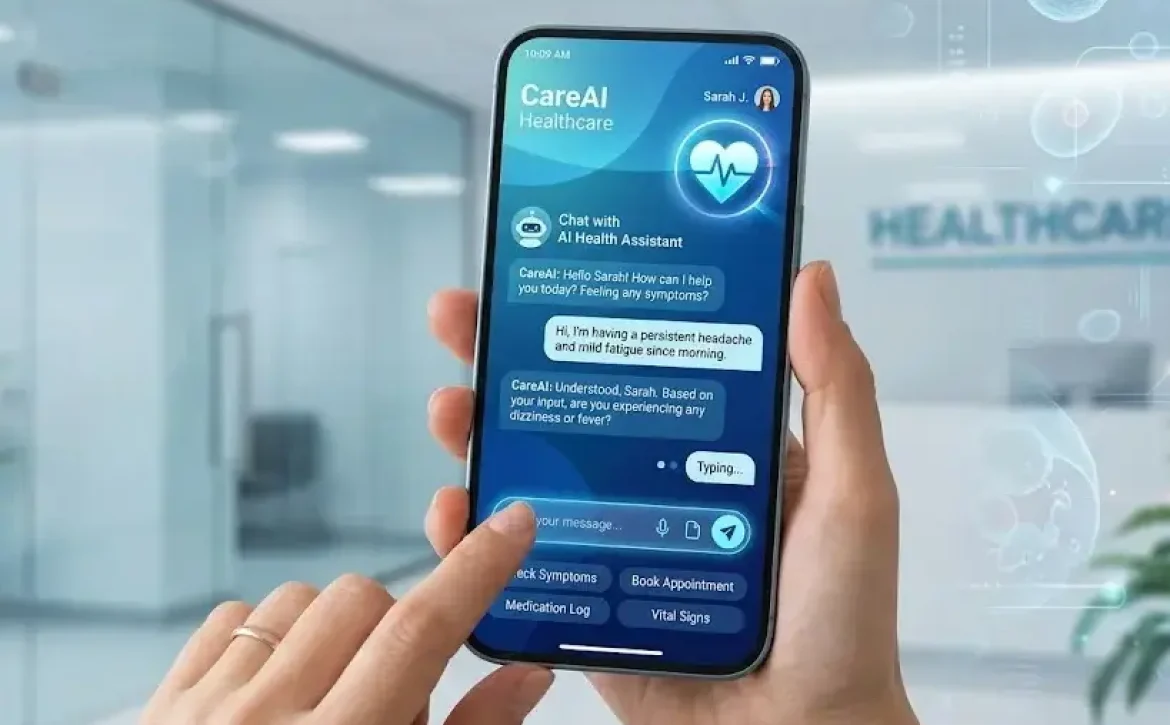
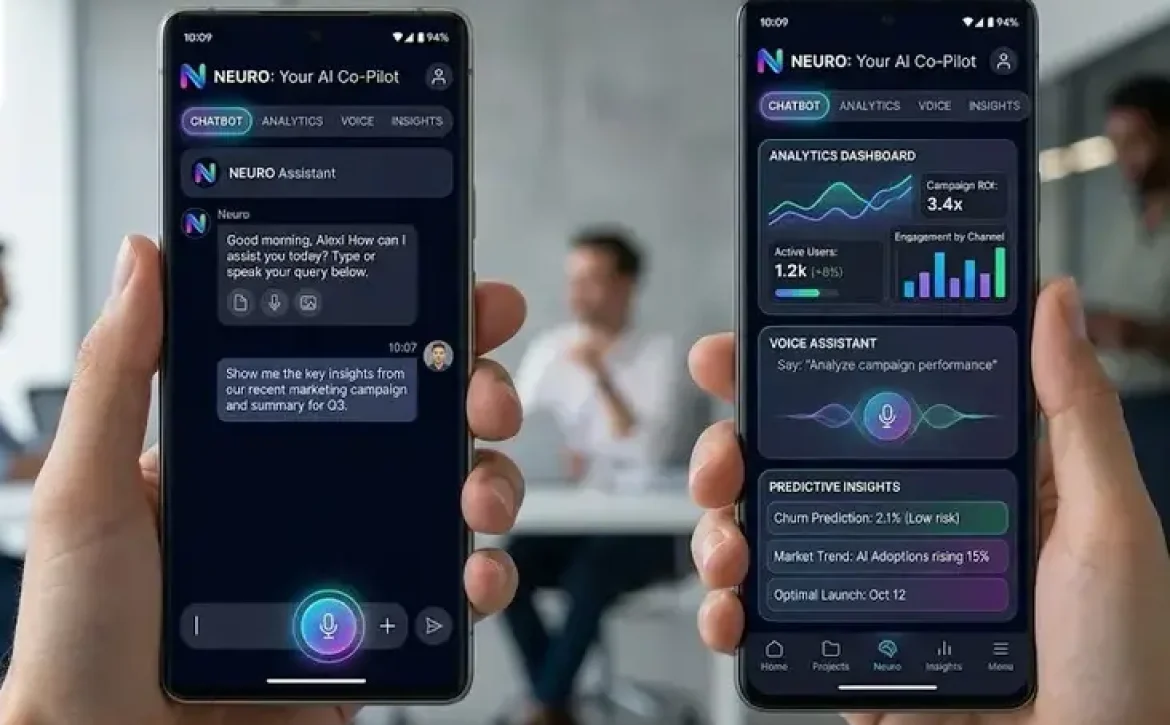
AI in mobile app development means incorporating intelligent computing techniques and data analysis tools into apps to improve functionality, streamline operations, and support predictive decision-making. How does this impact modern applications? It directly influences performance, scalability, and user engagement across platforms.
Key Takeaways
- ai in mobile app development enables intelligent, data-driven features
- Core technologies include ML, NLP, and computer vision
- Implementation requires structured data and model lifecycle management
- User engagement improves through personalization and automation
- Compliance and security standards are critical for deployment
- Demand is increasing for real-time, mobile-friendly intelligent systems
What is ai in mobile app development?
AI in mobile app development focuses on adding machine learning, NLP, and computer vision functionalities to enhance mobile platform capabilities.
Key components include:
- Machine Learning (ML): Enables predictive analytics (e.g., recommendation systems)
- Natural Language Processing (NLP): Powers chatbots and voice assistants
- Computer Vision: Supports image recognition and scanning features
- Automation Systems: Improve workflows and reduce manual tasks
Example Use Cases:
| Industry | Application Example |
| Healthcare | Symptom checker apps |
| Retail | Personalized product recommendations |
| Finance | Fraud detection systems |
| Travel | Smart itinerary suggestions |
How to use ai in mobile app development?
ai in mobile app development is implemented through structured stages involving data, models, and deployment.
Step-by-step process:
- Data Collection: Gather structured and unstructured data
- Model Selection: Choose suitable algorithms (e.g., regression, classification)
- Training & Testing: Validate accuracy and performance
- Integration: Use APIs or SDKs for mobile deployment
- Monitoring: Track model performance and update regularly
Best practices:
- Use scalable cloud-based infrastructure
- Ensure data privacy compliance (GDPR, HIPAA)
- Optimize for low latency and battery efficiency
Enhancing user engagement with ai in mobile app development
ai in mobile app development improves engagement by delivering personalized and adaptive experiences.
Common techniques:
- Recommendation Engines: Suggest content based on user behavior
- Chatbots: Provide real-time support
- Predictive UI: Adjust interface dynamically
- Voice Recognition: Enable hands-free interaction
Example: Streaming apps analyze viewing patterns to recommend content, increasing retention rates.
What are the most important aspects of mobile AI?
ai in mobile app development depends on several critical factors that determine success.
Core aspects:
- Data Quality: Accurate data ensures reliable outputs
- Model Efficiency: Lightweight models improve mobile performance
- Security: Encryption and access control are essential
- Scalability: Systems must handle growing user bases
Standards and compliance:
- ISO/IEC 27001 for data security
- GDPR for user data protection
- Industry-specific regulations (e.g., HIPAA for healthcare)
Is app development related to ai?
ai in mobile app development is a specialized extension of traditional app development.
Relationship overview:
- Traditional development focuses on UI, backend, and APIs
- AI integration adds intelligence, prediction, and automation
- Both require collaboration between developers, data engineers, and domain experts
In simple terms: AI enhances apps rather than replacing standard development processes.
Mobile-friendly AI-powered demand trends insights
ai in mobile app development is evolving with growing demand for intelligent, responsive applications.
Current trends:
- Edge AI for on-device processing
- Real-time analytics in apps
- Voice-first interfaces
- AI-driven cybersecurity features
A mobile AI ecosystem is often discussed alongside predictive analytics, automation platforms, and real-time decision systems used in modern applications.
Conclusion
ai in mobile app development is a structured approach to building intelligent, scalable, and user-centric applications. As adoption increases, integrating efficient models and maintaining compliance standards will remain essential. For performance optimization, exploring ai tools for reducing latency in app development provides practical continuity in improving real-time application efficiency.
FAQ
What is ai in mobile app development?
It is the integration of intelligent algorithms into mobile apps to enable automation, prediction, and personalization.
How is AI used in mobile applications?
It is used for chatbots, recommendations, voice recognition, and predictive analytics.
Is AI necessary for all mobile apps?
No, it is used when applications require automation, personalization, or data-driven decision-making.
What industries use AI in mobile apps?
Healthcare, finance, retail, travel, and entertainment widely use AI-powered mobile applications.
What are the challenges of AI integration?
Data privacy, model accuracy, scalability, and performance optimization are key challenges.
Sources
https://www.neuronimbus.com/blog/incorporating-ai-into-mobile-apps-trends-challenges-and-best-practices
https://softwaremind.com/blog/how-to-use-ai-in-mobile-app-development/
https://developer.android.com/ai
https://www.spaceotechnologies.com/blog/artificial-intelligence-in-mobile-app-development/
https://smtlabs.io/blog/ai-in-mobile-app-development
https://www.silvertouch.ca/blog/ai-in-mobile-app-development/
https://karol-wrotniak.medium.com/10-ways-ai-can-speed-up-your-mobile-app-development-68e59b2cb44b
https://www.zibtek.com/blog/zibtek-ai-app-development-the-future-of-mobile-apps/
https://webandcrafts.com/blog/ai-in-mobile-app-development