RCEE+Networks LLC
  • Home
  • About
  • Services
    • IMACAM™ Tech Support
  • Products
    • RetinaWiseAI™
  • Contact
1-844-2-THEOWL
info@rceenetworks.com
logotype
  • Home
  • About
  • Services
    • IMACAM™ Tech Support
  • Products
    • RetinaWiseAI™
  • Contact
logotype
  • Home
  • About
  • Services
    • IMACAM™ Tech Support
  • Products
    • RetinaWiseAI™
  • Contact
Author: Umesh Kumar Khiri
Home Umesh Kumar Khiri Page 9
Uncategorized
Umesh Kumar KhiriMay 7, 2026 0 Comments
Share article:TwitterFacebookLinkedin
21 Views
5 Likes

Top-Rated Development Firms Specializing in AI Integration for Business Apps: 7 Proven Leaders

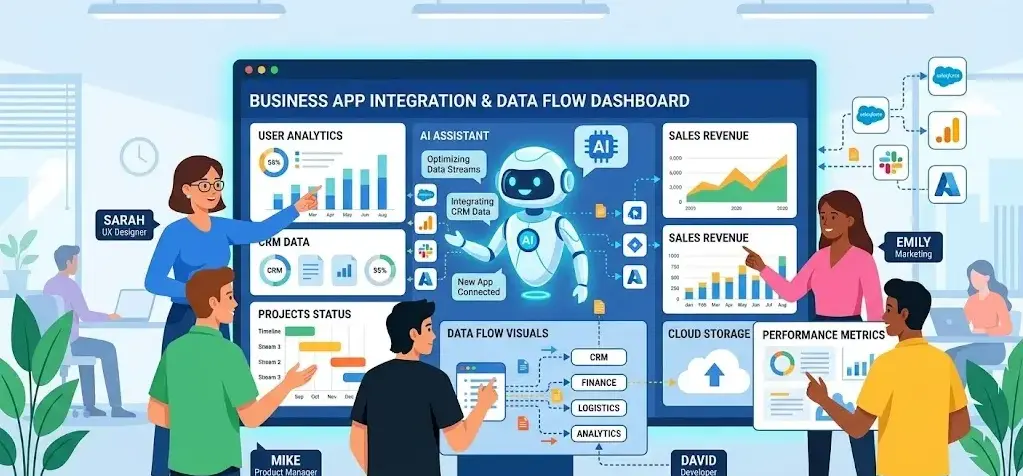
Top-rated development firms specializing in ai integration for business apps are organizations that embed intelligent capabilities into enterprise software to automate processes, enhance decision-making, and improve operational efficiency. These firms combine data engineering, model deployment, and system integration expertise. What distinguishes leading firms from average providers is their adherence to enterprise-grade standards, interoperability frameworks, and compliance requirements.

Key Takeaways

  • Top-rated firms combine integration expertise with compliance standards
  • Structured implementation ensures scalability and reliability
  • Industry-specific experience is critical for successful deployment
  • Regulatory adherence is essential for enterprise adoption
  • Agentic systems are an emerging capability in business applications

What Defines Top-Rated Development Firms Specializing in AI Integration for Business Apps?

Top-rated development firms specializing in ai integration for business apps are defined by technical depth, compliance readiness, and scalable delivery models.

Key defining factors:

  • Proven expertise in enterprise integration (ERP, CRM, APIs)
  • Compliance with standards such as ISO/IEC 27001 and GDPR
  • Experience with cloud ecosystems (Azure, AWS, GCP)
  • Strong data governance and lifecycle management
  • Capability in real-time and batch processing architectures

Example:
A retail enterprise integrating predictive demand systems requires firms skilled in supply chain analytics and secure API orchestration.

Which Are the Top-Rated Development Firms Specializing in AI Integration for Business Apps in India?

Top-rated development firms specializing in ai integration for business apps in India include globally recognized providers with enterprise delivery capabilities.

Representative firms:

  1. Tata Consultancy Services (TCS)
  2. Infosys
  3. Wipro
  4. HCLTech
  5. Tech Mahindra
  6. SparxIT Solutions
  7. Xicom Technologies

Evaluation criteria:

ParameterDescription
Industry CoverageBFSI, healthcare, retail, manufacturing
Deployment ModelsCloud-native, hybrid, on-premise
Integration ScopeAPIs, microservices, legacy systems
Compliance SupportGDPR, HIPAA, SOC 2

How Do These Firms Implement AI Integration in Business Applications?

Top-rated development firms specializing in ai integration for business apps follow structured implementation frameworks.

Typical process:

  1. Requirement Analysis – Identify business use cases and data sources
  2. Architecture Design – Define system integration layers and pipelines
  3. Model Development – Build and validate predictive or generative models
  4. Integration Layer – Connect models with enterprise systems via APIs
  5. Deployment & Monitoring – Ensure performance, reliability, and updates

Industry practice:
Microservices architecture is commonly used to isolate intelligent components and ensure scalability.

Which primary solutions are delivered by these companies?

Top-rated development firms specializing in ai integration for business apps provide a wide range of enterprise services.

Core services include:

  • Intelligent workflow automation
  • Predictive analytics integration
  • Natural language processing systems
  • Computer vision deployment
  • Agentic AI development services for autonomous decision systems

These services are often discussed alongside enterprise app modernization, data engineering, and cloud transformation initiatives.

What Standards and Compliance Requirements Are Followed?

Top-rated development firms specializing in ai integration for business apps adhere to strict regulatory and operational standards.

Key compliance frameworks:

  • ISO/IEC 27001 – Information security management
  • GDPR – Data protection and privacy (EU)
  • HIPAA – Healthcare data compliance (US)
  • SOC 2 – Service organization controls

Best practices:

  • Data encryption (at rest and in transit)
  • Role-based access control (RBAC)
  • Continuous auditing and logging

How can organizations determine the best AI integration provider?

Top-rated development firms specializing in ai integration for business apps should be evaluated using structured selection criteria.

Selection checklist:

  • Industry-specific experience
  • Proven integration case studies
  • Scalability of solutions
  • Post-deployment support
  • Transparent pricing models

Tip:
Request proof-of-concept (PoC) delivery before full-scale engagement to validate technical compatibility.
Conclusion

Top-rated development firms specializing in ai integration for business apps enable structured, compliant, and scalable transformation across industries. Their value lies in combining integration expertise with enterprise-grade standards. For organizations also exploring mobile-first strategies, understanding companies specializing in custom ai development for mobile apps provides additional context for end-to-end digital ecosystems.

FAQ

What do top-rated AI integration firms do?

They add intelligent systems to business apps to increase automation and enable more effective decision-making.

Why is compliance important in AI integration?

Compliance ensures data security, legal adherence, and operational reliability across regions and industries.

How long does AI integration take?

On average, enterprise integration projects are completed within 3 to 12 months, varying with complexity.

What industries benefit most from AI integration?

Sectors including healthcare, finance, retail, manufacturing, and logistics witness the most substantial impact.

What is agentic AI development?

It entails designing systems capable of self-directed decision-making and task execution under defined conditions.

Sources

https://riseuplabs.com/ai-app-development-companies/
https://www.linkedin.com/pulse/top-10-ai-app-development-companies-india-2026-coherentlab-qa9oc
https://agenticindia.in/blog/top-ai-development-companies/
https://dribbble.com/resources/agencies/ai-app-development-companies
https://fixnhour.com/companies/ai-app-development-companies
https://www.xicom.biz/blog/top-ai-development-companies/
https://75way.com/blog/top-ai-app-development-companies
https://elysiumtechnologies.com/ai-development-companies/
https://www.sparxitsolutions.com/artificial-intelligence/development-companies
READ MORE
Uncategorized
Umesh Kumar KhiriMay 7, 2026 0 Comments
Share article:TwitterFacebookLinkedin
19 Views
3 Likes

Best App Development Companies in AI: 10 Proven Leaders for Scalable Solutions

Best app development companies in ai are organizations specializing in the design and deployment of applications powered by machine learning, automation, and data-driven systems. These companies support industries such as healthcare, finance, retail, and logistics by delivering scalable and compliant digital solutions. How do businesses identify the most reliable providers in a rapidly evolving market? Clear evaluation based on technical capability, domain expertise, and deployment standards is essential.

Key Takeaways

  • Best app development companies in ai deliver scalable, compliant, and intelligent applications
  • Selection depends on technical expertise, portfolio, and industry experience
  • Services include consulting, development, deployment, and maintenance
  • Emerging trends include generative AI and no-code platforms
  • Industry standards and compliance are critical for reliable implementation

What Defines the Best App Development Companies in AI?

Best app development companies in ai are distinguished by their expertise in developing reliable, scalable, and regulation-aligned intelligent systems.

Key characteristics:

  • Technical expertise: Machine learning, NLP, computer vision
  • Deployment capability: Cloud-native architecture (Azure, AWS, GCP)
  • Compliance standards: GDPR, HIPAA, ISO/IEC 27001
  • Integration ability: APIs, legacy systems, enterprise tools

Example:
A healthcare app must meet HIPAA compliance while integrating diagnostic models and patient data systems.

Which organizations are considered the top 10 AI app development companies?

Best app development companies in ai include globally recognized firms with proven delivery records.

CompanyCore StrengthIndustry Focus
AppSquadzMobile AI solutionsEnterprise apps
TechAheadScalable AI platformsStartups & enterprises
75Way TechnologiesCustom AI developmentSaaS products
OpenXcellData-driven appsFinance, retail
Hidden BrainsAI + IoT integrationManufacturing
Hyperlink InfoSystemCost-efficient AI appsSMEs
IntellectsoftEnterprise AI systemsHealthcare, fintech
Dogtown MediaAI healthcare appsMedical sector
QuytechComputer vision solutionsAutomation
ValueCodersOffshore AI developmentGlobal clients

How Do Businesses Evaluate the Best App Development Companies in AI?

Best app development companies in ai are evaluated using structured technical and operational criteria.

Evaluation framework:

  1. Portfolio analysis: Real-world AI deployments
  2. Technology stack: Python, TensorFlow, PyTorch
  3. Scalability: Cloud infrastructure readiness
  4. Security: Data encryption and compliance
  5. Cost structure: Fixed vs. flexible pricing

Industry practice:
Enterprises often request proof-of-concept (PoC) before full-scale deployment.

What Services Do the Best App Development Companies in AI Offer?

Best app development companies in ai provide end-to-end development services.

Core services:

  • AI consulting and strategy
  • Custom app development
  • Data engineering and model training
  • UI/UX design for intelligent apps
  • Deployment and maintenance

Example use cases:

  • Predictive analytics dashboards
  • Chatbots and virtual assistants
  • Fraud detection systems

A related area often explored alongside this topic includes best AI app builder, best free AI app builder, and no-code AI platforms.

What are the primary benefits of working with top AI app development companies?

Best app development companies in ai deliver measurable operational and strategic benefits.

Benefits include:

  • Automation: Reduces manual workload
  • Accuracy: Improves decision-making precision
  • Scalability: Supports large datasets and users
  • Cost efficiency: Optimizes long-term operations

Industry example:
Retail platforms use recommendation engines to increase conversion rates.

How are the best app development companies in AI evolving with current trends?

Best app development companies in ai are adapting to evolving technological and regulatory trends.

Key trends:

  • Generative AI integration in apps
  • Edge AI for real-time processing
  • Responsible AI frameworks
  • Low-code and no-code development platforms

Standard reference:
ISO/IEC guidelines for trustworthy AI systems are increasingly adopted

Conclusion

Best app development companies in ai ensure structured, scalable, and standards-compliant solutions across different domains. Their classification is based on expertise, services, and deployment capability. As demand grows, businesses increasingly align with specialized providers, including companies specializing in medical ai app development, to ensure domain-specific accuracy and compliance.

FAQs

What are the best app development companies in ai?

They are firms that specialize in building intelligent applications using machine learning, automation, and data-driven technologies.

How do I choose the right AI app development company?

Evaluate based on portfolio, technical expertise, compliance standards, and scalability capabilities.

What industries use AI app development services?

Healthcare, finance, retail, manufacturing, and logistics commonly use these services.

What is the cost of AI app development?

Costs vary depending on complexity, features, and deployment scale, ranging from small prototypes to enterprise systems.

Do AI app development companies offer no-code solutions?

Many companies now support low-code or no-code platforms for faster development and deployment.

Sources

https://zapier.com/blog/best-ai-app-builder/
https://75way.com/blog/top-ai-app-development-companies

https://fixnhour.com/companies/ai-app-development-companies
https://dribbble.com/resources/agencies/ai-app-development-companies

https://www.linkedin.com/pulse/top-10-ai-app-development-companies-lfq0c
https://www.appsquadz.com/blog/best-mobile-app-development-companies/
https://www.forbes.com/lists/ai50/
https://www.figma.com/resource-library/ai-app-builders/
https://www.techaheadcorp.com/
https://www.slideshare.net/slideshow/list-of-top-ai-app-development-companies/275172096

READ MORE
Uncategorized
Umesh Kumar KhiriMay 7, 2026 0 Comments
Share article:TwitterFacebookLinkedin
21 Views
5 Likes

companies specializing in custom ai development for mobile apps: 7 Essential Insights for Scalable Solutions

Companies specializing in custom ai development for mobile apps are firms that create tailored intelligent systems integrated into mobile applications to meet specific business and user requirements. These companies combine data engineering, model development, and mobile architecture to deliver functional solutions. Why do organizations rely on them? Because standardized solutions often fail to address industry-specific constraints such as compliance, scalability, and real-time processing.

Key Takeaways

  • Companies specializing in custom ai development for mobile apps deliver tailored intelligent solutions.
  • They follow structured processes aligned with industry standards and compliance requirements.
  • Key industries include healthcare, finance, retail, and logistics.
  • Differentiation lies in data expertise, scalability, and continuous optimization.
  • Proper evaluation ensures long-term reliability and performance.

What do companies specializing in custom ai development for mobile apps actually deliver?

Companies specializing in custom ai development for mobile apps provide end-to-end services that transform application capabilities.

Core Deliverables:

  • Predictive analytics engines
  • Natural language processing (NLP) interfaces
  • Computer vision modules
  • Recommendation systems
  • Real-time decision support tools

Example Use Cases:

  • Healthcare apps detecting anomalies in medical images
  • Fintech apps performing fraud detection
  • Retail apps offering personalized product suggestions

How do companies specializing in custom ai development for mobile apps structure their development process?

Companies specializing in custom ai development for mobile apps follow structured development frameworks to ensure reliability and performance.

Typical Process:

  1. Requirement analysis and feasibility study
  2. Data collection and preprocessing
  3. Model selection and training
  4. Integration with mobile architecture (iOS/Android)
  5. Testing, validation, and deployment

Standards Followed:

  • ISO/IEC 27001 for data security
  • GDPR compliance for user data protection
  • HIPAA for healthcare-related applications

Which industries rely most on companies specializing in custom ai development for mobile apps?

Companies specializing in custom ai development for mobile apps serve multiple industries where automation and intelligence are critical.

Key Industries:

IndustryApplication Example
HealthcareDiagnostic assistance, patient monitoring
FinanceFraud detection, risk assessment
RetailPersonalized recommendations
LogisticsRoute optimization, demand forecasting
EducationAdaptive learning platforms

These solutions are often discussed alongside mobile app modernization, data science services, and intelligent automation platforms.

What differentiates companies specializing in custom ai development for mobile apps from generic developers?

Companies specializing in custom ai development for mobile apps differ significantly from standard app developers in capability and scope.

Key Differentiators:

  • Advanced data modeling expertise
  • Domain-specific solution design
  • Integration with cloud and edge systems
  • Continuous model improvement and monitoring

Comparison:

FeatureCustom AI FirmsGeneric Developers
Data EngineeringAdvancedLimited
Model TrainingYesNo
Scalability PlanningHighModerate
Regulatory ComplianceBuilt-inMinimal

What are the top companies specializing in custom ai development for mobile apps?

Companies specializing in custom ai development for mobile apps include global and regional providers known for delivering scalable solutions.

Notable Examples:

  • Indatalabs
  • TechAhead
  • Appinventiv
  • OrangeMantra
  • Data science agency firms across India and the USA

Regional Insight:

  • Companies specializing in custom ai development for mobile apps in India often focus on cost-efficient, scalable delivery
  • AI app development companies in the USA emphasize advanced research and enterprise integration

How should businesses choose companies specializing in custom ai development for mobile apps?

Companies specializing in custom ai development for mobile apps should be selected based on technical and operational criteria.

Selection Checklist:

  • Proven portfolio in similar industry
  • Compliance with data protection standards
  • Scalability of deployed solutions
  • Transparent development lifecycle
  • Post-deployment support and monitoring

Evaluation Tip:
Obtain case studies demonstrating tangible results, including accuracy enhancements or cost reductions.

Conclusion

Companies specializing in custom ai development for mobile apps provide structured, industry-aligned solutions that go beyond standard application development. In evolving mobile ecosystems, picking the right provider helps maintain scalability, meet compliance standards, and achieve long-term performance. For broader vendor comparisons, reviewing best app development companies in ai helps contextualize capabilities across providers.

FAQs

What do companies specializing in custom ai development for mobile apps do?

They design and integrate intelligent features such as prediction, automation, and personalization into mobile applications.

How long does custom AI mobile app development take?

Development efforts commonly require 3 to 9 months, depending on how complex the project is and the data available.

Are these companies suitable for startups?

Yes, many firms offer scalable solutions tailored for startups with flexible deployment models.

What technologies are commonly used?

Technologies include machine learning frameworks, cloud platforms, and mobile SDKs for iOS and Android.

How much does it cost to hire such companies?

The overall cost depends on the scope, with budgets ranging from moderate to enterprise-grade levels.

Sources

https://indatalabs.com/services/ai-mobile-apps
https://diceus.com/top-custom-ai-development-companies/
https://www.appsquadz.com/blog/best-mobile-app-development-companies/
https://appinventiv.com/ai-development-services/
https://www.linkedin.com/pulse/top-10-ai-app-development-companies-india-2026-coherentlab-qa9oc
https://fixnhour.com/companies/ai-app-development-companies

https://www.orangemantra.com/services/artificial-intelligence/
https://www.falconreality.in/blog/top-ai-development-companies

https://dribbble.com/resources/agencies/ai-app-development-companies
https://www.budventure.technology/artificial-intelligence

READ MORE
Uncategorized
Umesh Kumar KhiriMay 6, 2026 0 Comments
Share article:TwitterFacebookLinkedin
26 Views
5 Likes

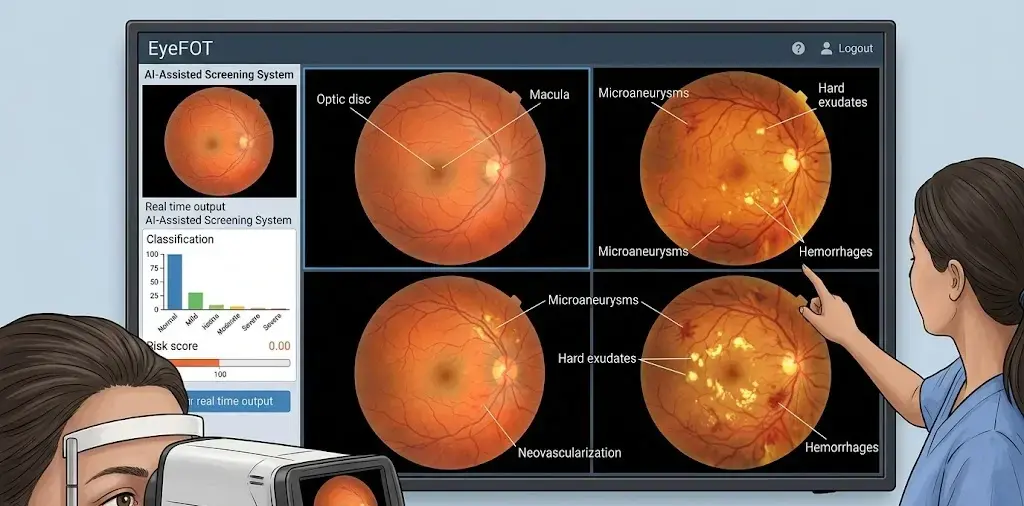
AI based Retinal Image Analysis: 7 Powerful Clinical Insights and Applications

AI based Retinal image Analysis is the process of using computational models to interpret retinal images for disease detection and clinical decision support. It is widely used to recognize eye conditions like diabetic retinopathy, glaucoma, and macular degeneration. How does this technology improve diagnostic consistency across large populations?

Key Takeaways

  • AI based Retinal image Analysis enables early and accurate disease detection
  • It supports large-scale screening and clinical decision-making
  • Performance depends on validation, data quality, and regulatory compliance
  • It is widely used in telemedicine and primary care settings
  • Ongoing improvements focus on reducing bias and increasing reliability

What is AI based Retinal image Analysis and how does it work?

AI based Retinal image Analysis uses trained models to process fundus images and extract diagnostic features.

Core workflow:

  1. Image acquisition (fundus camera or OCT)
  2. Preprocessing (noise reduction, normalization)
  3. Feature extraction (lesions, vessels, optic disc)
  4. Classification (disease detection)
  5. Output generation (risk scores or diagnosis)

Example tools:

  • IDx-DR for diabetic retinopathy screening
  • EyeArt AI for automated grading
  • RetCAD for clinical decision support

What diseases can AI based Retinal image Analysis detect?

AI based Retinal image Analysis is widely used to identify multiple retinal conditions.

Common diseases:

  • Diabetic retinopathy
  • Age-related macular degeneration (AMD)
  • Glaucoma
  • Retinal vein occlusion

Clinical advantage:

  • Detects early-stage abnormalities before symptoms appear
  • Enables mass screening in primary care settings

How accurate is AI based Retinal image Analysis in clinical practice?

AI based Retinal image Analysis demonstrates high sensitivity and specificity when validated.

Typical performance metrics:

ConditionSensitivitySpecificity
Diabetic Retinopathy87–95%85–93%
Glaucoma Detection80–90%82–92%
AMD Classification85–94%88–96%

Key factors influencing accuracy:

  • Image quality
  • Dataset diversity
  • Clinical validation protocols

What are the regulatory and safety requirements?

AI based Retinal image Analysis must comply with strict healthcare regulations.

Key requirements:

  • FDA or CE approval for clinical use
  • Data privacy compliance (HIPAA, GDPR)
  • Transparent validation studies
  • Continuous monitoring for bias

Industry practice:

  • Systems like autonomous DR screening tools are approved for real-world deployment

How is AI based Retinal image Analysis used in real-world settings?

AI based Retinal image Analysis is applied across healthcare environments.

Use cases:

  • Primary care screening programs
  • Teleophthalmology platforms
  • Rural and underserved population outreach
  • Hospital diagnostic support

Example workflow in clinics:

  • Patient image captured → analyzed instantly → referral decision generated

A retinal imaging system is often discussed alongside AI retina scan tools, diabetic retinopathy screening systems, and automated ophthalmic diagnostics.

What are the challenges in AI based Retinal image Analysis?

AI based Retinal image Analysis faces technical and operational challenges.

Key challenges:

  • Data bias and limited diversity
  • Integration with legacy systems
  • Variability in imaging devices
  • Regulatory complexity

Mitigation strategies:

  • Use diverse training datasets
  • Standardize imaging protocols
  • Perform continuous validation

Conclusion

AI based Retinal image Analysis is transforming disease detection through structured classification, high accuracy, and scalable deployment. Its role in early diagnosis and population screening continues to expand. For broader clinical context, this technology is a foundational component of AI in Ophthalmology, supporting standardized and data-driven eye care systems.

FAQs

What is AI based Retinal image Analysis?

It is the use of computational systems to analyze retinal images for detecting and classifying eye diseases.

Which diseases can it detect?

It is widely applied to identify diabetic retinopathy, glaucoma, and macular degeneration.

Is AI based Retinal image Analysis accurate?

Yes, it achieves high sensitivity and specificity when clinically validated.

Is it approved for medical use?

In some cases, systems are cleared by bodies like the FDA to conduct autonomous screening.

Where is it used?

It is used in clinics, hospitals, and telemedicine platforms for screening and diagnosis.

Sources

https://pmc.ncbi.nlm.nih.gov/articles/PMC12044089/
https://www.icare-world.com/product/icare-retcad-ai-powered-retinal-image-analysis/
https://www.mdpi.com/2076-3425/15/11/1249
https://retinatoday.com/articles/2024-nov-dec/progress-in-ai-for-retinal-image-analysis
https://www.sciencedirect.com/science/article/pii/S1572100025003199
https://eyewiki.org/Artificial_Intelligence_in_Ophthalmology
https://www.nature.com/articles/s41591-026-04359-w
https://www.thelancet.com/journals/eclinm/article/PIIS2589-5370(25)00021-5/fulltext
https://www.retinai.com/

READ MORE
Uncategorized
Umesh Kumar KhiriMay 6, 2026 0 Comments
Share article:TwitterFacebookLinkedin
26 Views
3 Likes

AI in Ophthalmology: 7 Powerful Applications Transforming Eye Care

AI in Ophthalmology is the application of computational algorithms and data-driven models to analyze ocular data for clinical decision-making. It aids in recognizing retinal abnormalities, estimating treatment outcomes, and optimizing patient care strategies. How does this technology integrate into real-world ophthalmic workflows and regulatory systems?

Key Takeaways

  • AI in Ophthalmology enhances early detection and diagnostic precision
  • Widely used in retinal imaging, glaucoma, and OCT analysis
  • Relies on machine learning, deep learning, and computer vision
  • Requires regulatory compliance and clinical validation
  • Functions primarily as a decision-support

In what ways is AI utilized in Ophthalmology?

AI in Ophthalmology is widely used across diagnostic and clinical workflows to enhance accuracy and efficiency.

Major applications include:

  • Retinal disease screening: Detection of diabetic retinopathy and macular degeneration using fundus imaging
  • Glaucoma assessment: Automated optic nerve head analysis
  • Optical coherence tomography (OCT) analysis: Layer segmentation and fluid detection
  • Surgical planning: Risk prediction and outcome modeling

Example: AI-based screening tools can identify diabetic retinopathy in primary care settings without specialist involvement.

How does AI in Ophthalmology improve diagnostic accuracy?

AI in Ophthalmology improves diagnostic accuracy by analyzing large datasets and identifying subtle patterns not easily visible to clinicians.

Key mechanisms:

  • Pattern recognition in imaging data
  • Standardized grading systems
  • Reduction of inter-observer variability
Diagnostic AreaImprovement with AI
Retinal imagingHigher sensitivity in early detection
GlaucomaConsistent optic nerve analysis
OCT scansAutomated fluid and layer detection

Clinical validation studies show high sensitivity and specificity when systems are properly trained and tested.

What technologies power AI in Ophthalmology systems?

AI in Ophthalmology relies on multiple computational approaches tailored to medical imaging and predictive analytics.

Core technologies:

  1. Machine learning (ML): Learns from labeled datasets
  2. Deep learning (DL): Uses neural networks for image analysis
  3. Computer vision: Processes retinal images and scans
  4. Natural language processing (NLP): Extracts data from clinical records

A related area often discussed includes machine learning in healthcare, deep learning for medical imaging, and clinical decision support systems.

What are the regulatory and ethical considerations?

AI in Ophthalmology is governed by strict regulatory and ethical principles to ensure safe clinical use and data protection.

Key considerations:

  • Regulatory approvals: Systems must meet standards set by agencies such as the FDA
  • Data privacy: Compliance with HIPAA and GDPR
  • Bias and fairness: Ensuring diverse training datasets
  • Clinical validation: Prospective trials and real-world testing

These requirements ensure safe integration into healthcare systems.

How is AI in Ophthalmology used in clinical workflows?

AI in Ophthalmology is integrated into clinical workflows to enhance efficiency and decision-making.

Typical workflow integration:

  1. Image acquisition (fundus/OCT)
  2. Automated analysis by AI system
  3. Risk classification or diagnosis suggestion
  4. Clinician review and final decision

Industry practice: AI tools are often used as decision-support systems rather than standalone diagnostic tools.

What are the challenges in implementing AI in Ophthalmology?

AI in Ophthalmology faces several technical and operational challenges.

Common challenges:

  • Data quality and standardization issues
  • Integration with legacy hospital systems
  • High implementation costs
  • Need for clinician training

Addressing these challenges is critical for large-scale adoption.

Conclusion

AI in Ophthalmology is advancing clinical diagnostics through structured classification systems and validated applications across screening, imaging, and workflow optimization. Its future lies in scalable, regulation-compliant integration with healthcare systems. For a broader perspective on vision care technologies, see AI in Optometry, which complements ophthalmic applications in primary eye care

FAQ

How is AI being used in ophthalmology?

AI is used for disease detection, imaging analysis, screening programs, and clinical decision support.

What are the 4 types of AI?

 These four classifications are reactive machines, limited memory systems, theory of mind, and self-aware AI.

Will AI take over ophthalmology?

AI will not replace ophthalmologists but will enhance diagnostic accuracy and workflow efficiency.

What is the FDA approved AI system in ophthalmology?

 IDx-DR is an FDA-cleared AI platform used for autonomous screening of diabetic retinopathy.

Is AI accurate in ophthalmology diagnosis?

With proper clinical validation and implementation, AI systems can achieve excellent sensitivity and specificity.

Sources

https://eyewiki.org/Artificial_Intelligence_in_Ophthalmology
https://pmc.ncbi.nlm.nih.gov/articles/PMC10394169/
https://www.ophthalmologytimes.com/view/how-ai-is-reshaping-ophthalmology-in-2025-and-beyond
https://ijceo.org/archive/volume/10/issue/2/article/21597
https://www.sciencedirect.com/science/article/pii/S1350946225000473
https://www.ophtai.com/
https://www.aao.org/education/artificial-intelligence
https://www.jmaj.jp/detail.php?id=10.31662%2Fjmaj.2024-0139
https://www.cera.org.au/research/artificial-intelligence-research/

READ MORE
Uncategorized
Umesh Kumar KhiriMay 6, 2026 0 Comments
Share article:TwitterFacebookLinkedin
26 Views
6 Likes

AI in Optometry: 7 Powerful Clinical Applications Transforming Eye Care

AI in Optometry is the application of machine learning and data-driven systems to assist eye care professionals in diagnosing, managing, and monitoring visual conditions. It integrates with imaging devices, electronic health records, and telehealth platforms to enhance clinical decision-making. How does this technology improve both diagnostic precision and patient care efficiency?

Key Takeaways

  • AI in Optometry improves diagnostic accuracy and efficiency
  • It is widely used in retinal imaging and clinical decision support
  • Tele-optometry is significantly enhanced through AI integration
  • Regulatory compliance and ethical considerations are essential
  • AI complements, not replaces, optometric professionals

What is AI in Optometry and how does it function?

AI in Optometry functions by analyzing structured and unstructured clinical data such as retinal images, visual field tests, and patient records.

Core components include:

  • Image recognition systems for retinal scans
  • Predictive analytics for disease progression
  • Clinical decision support tools

Example workflow:

  1. Capture retinal image
  2. Process using trained algorithm
  3. Identify abnormalities (e.g., lesions, hemorrhages)
  4. Generate diagnostic recommendation

How is AI in Optometry used in clinical practice?

AI in Optometry is widely used to support diagnosis and streamline clinical workflows.

Key applications:

  • Disease detection: Diabetic retinopathy, glaucoma, macular degeneration
  • Refraction support: Automated vision correction suggestions
  • Workflow automation: AI scribe tools for documentation
Application AreaFunctionOutcome
Retinal imagingLesion detectionEarly diagnosis
Visual field analysisPattern recognitionFaster interpretation
EHR integrationData summarizationReduced admin burden

What technologies power AI in Optometry systems?

AI in Optometry relies on several foundational technologies that enable accurate analysis.

Primary technologies:

  • Deep learning (CNNs for image analysis)
  • Natural language processing (clinical notes)
  • Cloud computing (data storage and scalability)
  • Edge AI (real-time device-based processing)

Standards and compliance:

  • HIPAA (data privacy in the U.S.)
  • GDPR (data protection in Europe)
  • FDA approval for diagnostic tools

What are the benefits and limitations of AI in Optometry?

AI in Optometry provides measurable benefits but also presents operational challenges.

Benefits:

  • Increased diagnostic accuracy
  • Faster patient throughput
  • Early disease detection
  • Reduced clinician workload

Limitations:

  • Data bias affecting outcomes
  • High implementation costs
  • Regulatory approval complexity
  • Dependence on data quality

How does AI in Optometry support tele-optometry and remote care?

AI in Optometry enhances tele-optometry by enabling remote diagnosis and monitoring.

Use cases:

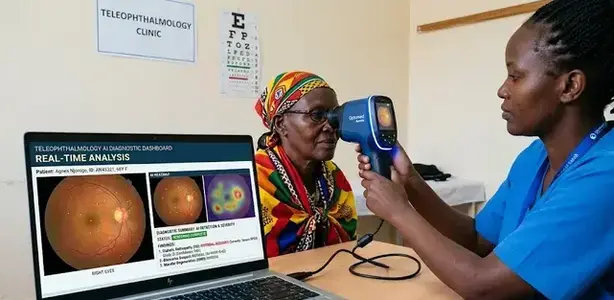
  • Remote retinal screening via portable devices
  • AI-assisted triage for urgent cases
  • Cloud-based patient record analysis

Steps in remote care integration:

  1. Patient uploads eye scan
  2. AI evaluates image quality and abnormalities
  3. Optometrist reviews flagged results
  4. Follow-up consultation scheduled

A topic often discussed alongside AI in Optometry includes tele-optometry, AI scribe systems, and emerging technologies in eye care delivery.

What are the regulatory and ethical considerations in AI in Optometry?

 Implementing AI in Optometry involves meeting strict safety requirements, safeguarding patient data, and following ethical norms.

Key considerations:

  • Transparency in algorithm decisions
  • Patient consent for data use
  • Clinical validation through trials
  • Accountability in diagnostic errors

Regulatory bodies:

  • FDA (U.S.)
  • EMA (Europe)
  • CDSCO (India)

Conclusion

AI in Optometry is establishing a structured framework for integrating diagnostic automation, predictive analytics, and telehealth into routine eye care. Its future impact depends on balancing clinical validation with ethical implementation. Continued advancement will align closely with innovations such as early detection of retinal diseases with AI assisted diagnosis, reinforcing its role in preventive ophthalmic care.

FAQ

What are the 4 types of AI?

The main types of AI are reactive machines, limited memory systems, theory of mind systems, and self-aware AI.

Is optometry at risk of AI?

AI supports optometrists by enhancing diagnostics but does not replace clinical judgment or patient interaction.

What is the highest paying optometry specialty?

Ocular disease and surgical co-management specialties typically offer the highest compensation.

Can AI replace eye doctors?

AI cannot replace eye doctors; it functions as a support tool for diagnosis and efficiency.

How accurate is AI in eye disease detection?

In retinal disease detection, validated AI systems can demonstrate high levels of sensitivity and specificity.

Sources

https://pmc.ncbi.nlm.nih.gov/articles/PMC11910921/
https://www.aoa.org/news/practice-management/perfect-your-practice/the-latest-on-ai-and-optometry
https://www.mdpi.com/2227-7080/13/2/77
https://www.altris.ai/ai-for-optometry/
https://www.college-optometrists.org/category-landing-pages/artificial-intelligence-ai-technology
https://ecoo.info/2022/03/ai-in-optometry-will-we-still-have-something-to-do/
https://www.journalofoptometry.org/en-optometrist39s-perspectives-artificial-intelligence-in-articulo-S1888429622000395
https://www.revolutionehr.com/blogs/ai-optometry-practice

READ MORE
Uncategorized
Umesh Kumar KhiriMay 6, 2026 0 Comments
Share article:TwitterFacebookLinkedin
21 Views
5 Likes

Early Detection of Retinal Diseases with AI Assisted Diagnosis: 7 Powerful Clinical Insights

Early detection of retinal diseases with AI assisted diagnosis is the application of data-driven diagnostic systems to identify retinal abnormalities before clinical symptoms become severe. This approach enhances screening efficiency and diagnostic precision in ophthalmology. Can early intervention significantly reduce blindness rates? Research data confirms that timely identification is essential in maintaining visual health.

Key Takeaways

  • Early detection significantly reduces the risk of vision loss
  • AI-assisted systems improve diagnostic speed and consistency
  • Standard imaging methods enable scalable screening
  • Regulatory compliance is essential for clinical deployment
  • Integration challenges remain but are actively being addressed

What is early detection of retinal diseases with AI assisted diagnosis?

Early detection of retinal diseases with AI assisted diagnosis involves automated analysis of retinal images to identify pathological changes.

Key characteristics:

  • Uses fundus photography and OCT (Optical Coherence Tomography)
  • Detects microvascular and structural abnormalities
  • Supports clinicians with probability-based outputs

Common diseases detected:

  • Diabetic retinopathy (DR)
  • Age-related macular degeneration (AMD)
  • Glaucoma-related optic nerve damage

How does early detection of retinal diseases with AI assisted diagnosis work?

Early detection of retinal diseases with AI assisted diagnosis works by processing medical images through trained systems that recognize disease patterns.

Typical workflow:

  1. Image acquisition (fundus camera or OCT)
  2. Image preprocessing (noise reduction, normalization)
  3. Feature extraction (lesions, vessels, macula)
  4. Classification and risk scoring
  5. Clinical interpretation

Example:
Automated retinal disease assessment (ARDA) systems classify diabetic retinopathy severity based on standardized grading scales such as ETDRS.

What are the clinical benefits of early detection?

Early detection of retinal diseases with AI assisted diagnosis provides measurable improvements in patient care.

Key benefits:

  • Earlier intervention reduces vision loss risk
  • Increased screening coverage in underserved areas
  • Consistent diagnostic accuracy across populations
  • Reduced clinician workload

Clinical comparison:

ParameterTraditional ScreeningAI-Assisted Detection
Detection SpeedModerateHigh
ConsistencyVariableStandardized
AccessibilityLimitedScalable
Error RateHigherLower

Which technologies are used in retinal disease detection?

Early detection of retinal diseases with AI assisted diagnosis relies on multiple imaging and computational technologies.

Core technologies:

  • Fundus imaging systems
  • Optical Coherence Tomography (OCT)
  • Deep image classification models
  • Cloud-based diagnostic platforms

A related area often discussed includes automated retinal screening systems, retinal image analysis tools, and AI-based ophthalmology platforms.

What are the regulatory and clinical standards?

Early detection of retinal diseases with AI assisted diagnosis must comply with strict medical and regulatory frameworks.

Key standards:

  • FDA approval for diagnostic software (USA)
  • CE marking under MDR (Europe)
  • ISO 13485 for medical device quality
  • Clinical validation through peer-reviewed trials

Classification:

  • Screening tools (risk identification)
  • Diagnostic support systems
  • Autonomous diagnostic systems (limited approval cases)

What are the challenges and limitations?

Early detection of retinal diseases with AI assisted diagnosis faces several implementation challenges.

Primary limitations:

  • Data bias affecting diagnostic fairness
  • Dependence on image quality
  • Integration with hospital systems
  • Regulatory approval complexity

Operational concern:
Variability in imaging conditions can reduce detection reliability in real-world settings.

Conclusion

Early detection of retinal diseases with AI assisted diagnosis is reshaping ophthalmic screening by improving accuracy, accessibility, and clinical efficiency. Its structured classification into screening, support, and autonomous systems ensures clear implementation pathways. As healthcare systems evolve, this approach aligns closely with broader advancements such as faster and more accurate patient visits with AI assisted diagnosis, enabling more efficient and proactive care delivery.

FAQs

What diseases can be detected early using AI-assisted retinal diagnosis?

Screening methods typically detect diabetic retinopathy, macular degeneration, and glaucoma at initial stages.

Is AI-assisted retinal diagnosis clinically reliable?

Yes, many systems demonstrate high sensitivity and specificity when validated in clinical studies.

What imaging methods are used in retinal diagnosis?

Fundus photography and Optical Coherence Tomography (OCT) are the primary imaging techniques.

Are AI-based retinal tools approved by regulators?

Some systems have received FDA approval or CE marking after clinical validation.

Can AI replace ophthalmologists in retinal diagnosis?

No, these systems support clinical decisions but do not replace professional judgment.

Sources

https://pmc.ncbi.nlm.nih.gov/articles/PMC11052176/
https://www.mdpi.com/2075-4426/14/7/690
https://pubmed.ncbi.nlm.nih.gov/38674173/
https://www.retinaconsultantstexas.com/blog/the-role-of-artificial-intelligence-in-retinal-disease-diagnosis
https://www.sciencedirect.com/science/article/pii/S2949953424000109
https://onlinelibrary.wiley.com/doi/10.1155/ijbi/6154285
https://macretinahospital.com/the-role-of-ai-in-diagnosing-retinal-disorders-at-an-early-stage/
https://www.nature.com/articles/s41591-026-04359-w
https://www.laxmieye.org/blog/ai-eye-care-early-detection-revolution/
https://www.frontiersin.org/journals/cell-and-developmental-biology/articles/10.3389/fcell.2022.1053483/full

READ MORE
Uncategorized
Umesh Kumar KhiriMay 6, 2026 0 Comments
Share article:TwitterFacebookLinkedin
25 Views
3 Likes

Faster and More Accurate Patient Visits with AI Assisted Diagnosis: 7 Proven Benefits

Faster and more accurate patient visits with AI assisted diagnosis is the application of data-driven systems to support clinical decision-making during patient consultations. It enhances diagnostic speed, reduces variability, and improves treatment planning. How can healthcare systems maintain accuracy while increasing patient throughput? This model addresses both efficiency and precision through structured data analysis and clinical integration.

Key Takeaways

  • Faster and more accurate patient visits with AI assisted diagnosis improve efficiency and clinical outcomes
  • Technologies include machine learning, NLP, and computer vision
  • Regulatory compliance and ethical standards are critical
  • Implementation challenges include cost and system integration
  • Patient experience improves through faster and more precise care

How does faster and more accurate patient visits with AI assisted diagnosis improve clinical workflows?

Faster and more accurate patient visits with AI assisted diagnosis streamline workflows by reducing manual analysis and supporting real-time decisions.

Key improvements:

  • Automated interpretation of imaging (e.g., radiology scans)
  • Clinical decision support systems (CDSS)
  • Integration with electronic health records (EHRs)

Example workflow:

  1. Patient data input
  2. Pattern recognition and anomaly detection
  3. Suggested diagnosis and risk scoring
  4. Physician validation

This reduces consultation time while maintaining diagnostic quality.

What technologies enable faster and more accurate patient visits with AI assisted diagnosis?

Faster and more accurate patient visits with AI assisted diagnosis rely on multiple structured technologies.

Technology TypeFunction
Machine Learning ModelsPredict disease patterns
Natural Language ProcessingAnalyze clinical notes
Computer VisionInterpret medical images
Predictive AnalyticsForecast patient risks

Industry standard references:

  • FDA guidelines for software as a medical device (SaMD)
  • ISO 13485 for medical device quality systems

Why does faster and more accurate patient visits with AI assisted diagnosis enhance accuracy?

Faster and more accurate patient visits with AI assisted diagnosis improve accuracy by minimizing human error and leveraging large datasets.

Accuracy factors:

  • Pattern recognition across millions of cases
  • Consistent application of diagnostic criteria
  • Reduced cognitive bias in decision-making

Example:
AI-supported radiology tools have demonstrated improved detection rates for early-stage diseases compared to manual review alone.

How does faster and more accurate patient visits with AI assisted diagnosis impact patient experience?

Faster and more accurate patient visits with AI assisted diagnosis directly improves patient satisfaction and outcomes.

Patient benefits:

  • Shorter waiting times
  • Early disease detection
  • Personalized treatment recommendations

Measured outcomes:

  • Reduced hospital readmissions
  • Improved treatment adherence
  • Faster triage in emergency care

What are the regulatory and ethical considerations?

Faster and more accurate patient visits with AI assisted diagnosis must comply with strict healthcare regulations.

Key considerations:

  • Data privacy (HIPAA, GDPR equivalents)
  • Model transparency and explainability
  • Clinical validation and auditing

Best practices:

  • Regular performance monitoring
  • Bias detection and mitigation
  • Human oversight in final decisions

What challenges affect implementation in healthcare systems?

Faster and more accurate patient visits with AI assisted diagnosis face several operational challenges.

Common barriers:

  • High initial infrastructure costs
  • Integration with legacy systems
  • Data quality and standardization issues

A related area often explored includes AI medical diagnosis tools, diagnosis accuracy benchmarks, and clinical validation frameworks.

Conclusion

Faster and more accurate patient visits with AI assisted diagnosis represent a structured advancement in clinical efficiency and precision. As healthcare systems adopt standardized technologies and regulatory frameworks, the balance between speed and accuracy becomes achievable. This evolution aligns with broader digital transformation trends, including enhancing user engagement with ai in mobile app development, where data-driven interactions improve service delivery.

FAQ

What is AI assisted diagnosis in healthcare?

It is the use of computational systems to support clinicians in identifying diseases using data analysis and predictive models.

How does AI improve diagnostic accuracy?

It analyzes large datasets, identifies patterns, and reduces human error in clinical decision-making.

Is AI diagnosis approved by regulatory bodies?

Yes, many tools are regulated under frameworks such as FDA guidelines for medical software.

Can AI replace doctors in diagnosis?

No, it supports decision-making but requires human validation and clinical judgment.

What are the risks of AI in diagnosis?

Risks include data bias, lack of transparency, and integration challenges with existing systems.

Sources

https://pmc.ncbi.nlm.nih.gov/articles/PMC11047988/
https://www.healthcare-bulletin.co.uk/article/the-role-of-artificial-intelligence-in-modern-healthcare-advances-challenges-and-future-prospects-3187/
https://www.sully.ai/blog/artificial-intelligence-in-diagnostics-faster-results-better-outcomes
https://www.doctronic.ai/blog/how-ai-helps-doctors-diagnose-diseases-faster/
https://kumaranhospitals.com/ai-in-healthcare/health/
https://www.nature.com/articles/s41746-025-01460-1
https://www.getindigo.com/blog/ai-in-medical-diagnostics
https://www.sciencedirect.com/science/article/pii/S2666990024000132
https://www.facebook.com/aakashhealthcare/posts/artificial-intelligence-is-rapidly-transforming-diagnostics-enhancing-accuracy-r/1425272886297396/

READ MORE
Uncategorized
Umesh Kumar KhiriMay 5, 2026 0 Comments
Share article:TwitterFacebookLinkedin
21 Views
5 Likes

Enhancing User Engagement with AI in Mobile App Development: 7 Proven Strategies

Enhancing user engagement with AI in mobile app development is the process of integrating intelligent technologies to improve how users interact with mobile applications. It enables personalized experiences, predictive responses, and adaptive interfaces. Why do modern apps retain users more effectively? Because they continuously learn from behavior and optimize interactions in real time.

Key Takeaways

  • Enhancing user engagement with AI in mobile app development improves retention and satisfaction
  • Personalization and automation are core drivers of engagement
  • Data analysis enables predictive and adaptive user experiences
  • AI-powered features simplify interactions and increase usability
  • Addressing privacy and integration challenges is essential for success

What does enhancing user engagement with AI in mobile app development involve?

Enhancing user engagement with AI in mobile app development involves analyzing user data to deliver tailored experiences and dynamic interactions.

Core components include:

  • Behavioral analytics for usage patterns
  • Recommendation engines for personalized content
  • Natural language interfaces for interaction
  • Predictive models for user intent

Example:
Streaming apps suggest content based on viewing history, increasing session time and retention.

How does AI personalization improve user engagement in mobile apps?

Enhancing user engagement with AI in mobile app development relies heavily on personalization to match user preferences.

Key personalization techniques:

  1. Content recommendations based on past activity
  2. Dynamic UI adjustments based on user behavior
  3. Location-based services for contextual relevance

Table: Personalization Impact

TechniqueEngagement Benefit
Content suggestionsIncreased session time
Push notificationsHigher return visits
Behavioral targetingImproved conversion rate

What key features contribute to higher engagement in mobile applications?

Enhancing user engagement with AI in mobile app development includes integrating features that automate and simplify user interactions.

High-impact features:

  • Chatbots for instant support
  • Voice recognition for hands-free control
  • Image recognition for visual search
  • Smart notifications for timely updates

Industry practice:
With visual search, retail apps let users upload images to instantly identify and explore comparable products.

How is user behavior analyzed to enhance engagement?

Enhancing user engagement with AI in mobile app development depends on continuous data collection and analysis.

Steps involved:

  1. Collect user interaction data
  2. Process and segment user profiles
  3. Apply predictive modeling
  4. Optimize app features dynamically

Standards reference:
Organizations must align data handling practices with GDPR and privacy laws to protect information.

What role does automation play in user engagement?

Enhancing user engagement with AI in mobile app development uses automation to reduce friction and improve responsiveness.

Automation benefits:

  • Real-time customer support
  • Automated onboarding processes
  • Personalized push notifications

Example:
Fitness apps automatically adjust workout plans based on user progress, improving consistency and retention.

What are the common challenges in using AI to improve engagement?

Enhancing user engagement with AI in mobile app development also involves addressing technical and ethical challenges.

Common challenges:

• Data security and privacy challenges

 • Expensive implementation requirements

 • Concerns over model reliability and bias

 • Integration hurdles with legacy platforms

Best practices:

  • Use secure data encryption
  • Regularly audit models for bias
  • Ensure transparency in user data usage

A mobile app engagement strategy is often discussed alongside user retention techniques, personalization engines, and behavioral analytics systems.

Conclusion

Enhancing user engagement with AI in mobile app development requires a structured approach combining personalization, automation, and data-driven insights. As mobile ecosystems evolve, integrating these capabilities becomes essential for sustained user interaction. For foundational implementation strategies, refer to how to use ai in mobile app development to build scalable and effective solutions.

FAQs

What is user engagement in mobile apps?

User engagement describes the extent of user interaction within an app, including usage time, frequency, and behavior.

How does AI improve user retention?

AI improves retention by delivering personalized experiences and predicting user needs in advance.

Which industries benefit most from AI-driven engagement?

E-commerce, healthcare, finance, and entertainment sectors see significant improvements in user engagement.

Is AI integration expensive in mobile apps?

The starting costs may be considerable, but they result in greater efficiency and improved user retention in the long run.

What data is required for AI-driven engagement?

User behavior data, preferences, interaction history, and contextual information are typically required.

Sources

https://www.siliconithub.com/blog/how-ai-enhances-user-engagement-and-experience-in-mobile-app-development/
https://www.mindpathtech.com/blog/ai-in-mobile-app-development-benefit/
https://www.linkedin.com/pulse/how-ai-enhancing-mobile-app-functionality-user-engagement-5znhf
https://www.brainsquaretech.com/blog/how-ai-is-enhancing-the-mobile-app-user-experience
https://contextsdk.com/blogposts/the-role-of-ai-in-enhancing-user-engagement-in-mobile-apps
https://www.silvertouch.ca/blog/ai-in-mobile-app-development/
https://abilytics.com/how-ai-app-development-can-boost-efficiency-and-user-engagement/
https://webandcrafts.com/blog/ai-in-mobile-app-development
https://softwaremind.com/blog/how-to-use-ai-in-mobile-app-development/
https://www.techtic.com/blog/improve-user-retention-with-ai-in-mobile-apps/

READ MORE
Uncategorized
Umesh Kumar KhiriMay 5, 2026 0 Comments
Share article:TwitterFacebookLinkedin
24 Views
4 Likes

How to Use AI in Mobile App Development: 7 Powerful, Practical Steps

How to use AI in mobile app development refers to AI in mobile app development is the process of integrating predictive models, machine learning, and NLP into applications to enable smart behavior. It empowers apps to analyze information, automate tasks, and enhance user interaction in real time. What practical steps are needed for implementation?

Key Takeaways

  • How to use AI in mobile app development follows a structured lifecycle
  • Data quality and model selection are critical success factors
  • Tools like TensorFlow Lite and Core ML enable mobile integration
  • Use cases include personalization, automation, and prediction
  • Performance optimization ensures scalability and efficiency

What steps and components are involved in practically using AI in mobile app development?

How to use AI in mobile app development begins with aligning business goals to intelligent features.

Core components include:

  • Data pipelines: Collection, cleaning, and labeling
  • Model selection: Supervised, unsupervised, or deep learning
  • Integration layers: APIs, SDKs, or on-device models
  • Continuous monitoring: Performance and bias checks

Example:
A banking app uses fraud detection models to flag abnormal transactions based on user behavior patterns.

How do you integrate AI into mobile app development step by step?

AI integration in mobile app development is carried out through a structured and sequential lifecycle.

  1. Define use case (e.g., recommendation engine)
  2. Collect and prepare data (user activity, logs)
  3. Choose tools and frameworks (TensorFlow Lite, Core ML)
  4. Train and validate models
  5. Integrate into app backend or device
  6. Test for accuracy and latency
  7. Deploy and monitor performance

Industry practice:
Retail apps use recommendation engines to increase conversions through personalized suggestions.

What technologies are used for AI in mobile app development?

How to use AI in mobile app development is determined by the selection of suitable tools.

CategoryTools/FrameworksUse Case
ML frameworksTensorFlow Lite, PyTorchModel deployment
NLP toolsDialogflow, spaCyChatbots, voice assistants
Cloud platformsAWS AI, Google AIScalable processing
On-device AICore ML, ML KitOffline intelligence

Example:
Voice assistants in apps rely on NLP tools for speech recognition and intent detection.

How is AI commonly used in mobile app development?

Applying AI in mobile app development results in several practical and widely used applications.

  • Personalization: Content recommendations (streaming apps)
  • Image recognition: Face unlock, object detection
  • Predictive analytics: Sales forecasting, health monitoring
  • Automation: Chatbots for customer support

A mobile app often overlaps with interests such as AI-powered app features, machine learning tools for developers, and intelligent user experience design.

What obstacles come with using AI in mobile app development?

Applying AI in mobile app development involves challenges in both system design and legal requirements.

  • Data privacy compliance: GDPR, HIPAA requirements
  • Model accuracy: Bias and overfitting risks
  • Performance constraints: Battery and latency issues
  • Integration complexity: Compatibility with legacy systems

Best practice:
Use on-device processing for sensitive data to improve privacy and reduce latency

How to optimize performance when using AI in mobile apps?

Optimizing performance is crucial for successfully using AI in mobile app development.

  • Model compression: Reduce size for mobile deployment
  • Edge computing: Process data locally
  • Efficient APIs: Minimize server calls
  • Regular updates: Retrain models with new data

Example:
Fitness apps optimize models to track activity in real time without draining battery life.

Conclusion

How to use AI in mobile app development requires structured implementation, from data preparation to deployment and monitoring. Organizations that follow this framework can build scalable, adaptive applications. For foundational understanding, refer to what is ai in mobile app development, which explains the core concepts behind these implementations.

FAQs

Can I develop a mobile app using AI?

Yes, developers can integrate AI using frameworks, APIs, and pre-trained models to add intelligent features.

How is AI used in mobile apps?

AI is used for personalization, automation, prediction, and recognition tasks within apps.

What are 7 types of AI?

Reactive systems, limited memory frameworks, theory of mind intelligence, self-aware AI, narrow AI, general AI, and advanced super AI.

What is the 10 20 70 rule for AI?

It suggests 10% algorithms, 20% data infrastructure, and 70% business process integration for successful AI adoption.

Do mobile apps require cloud AI?

Not always; many apps use on-device AI for faster processing and improved privacy.

Sources

https://ripenapps.com/blog/ai-in-mobile-app-development-explanation-examples-benefits/
https://objects.ws/blog/ai-in-mobile-apps/
https://velvetech.com/blog/ai-in-mobile-app-development/
https://smtlabs.io/blog/ai-in-mobile-app-development
https://www.alignminds.com/ai-is-transforming-mobile-app-development/
https://www.spaceotechnologies.com/blog/artificial-intelligence-in-mobile-app-development/
https://dreamertechnoland.com/how-ai-is-transforming-android-app-development/
https://softwaremind.com/blog/how-to-use-ai-in-mobile-app-development/
https://webandcrafts.com/blog/ai-in-mobile-app-development

READ MORE
  • 1
  • …
  • 7
  • 8
  • 9
  • 10
  • 11
  • …
  • 15

Recent Posts

  • What Is Backtracking in Software Debugging? 7 Powerful Insights Explained
  • Various Software Tools Used for Debugging: 11 Powerful Solutions Explained
  • Most Commonly Used Debugging Tools in the Software Industry: 10 Powerful Solutions Every Developer Should Know
  • Software Debugging Tools: 12 Powerful Platforms Every Developer Should Know
  • Debugging Techniques in Software Testing: 7 Powerful Methods for Faster Defect Resolution

Recent Comments

  1. Fred Hyman on Yellow Cap
  2. Fred Hyman on T-Shirt Full Hand
  3. Fred Hyman on Yellow Cap
  4. Randal Gray on Black T-Shirt
  5. John Harris on Black T-Shirt

Archives

  • June 2026
  • May 2026
  • April 2026
  • March 2026

Categories

  • AI in App Development
  • Uncategorized
Recent Posts
  • What Is Backtracking in Software Debugging? 7 Powerful Insights Explained
    What Is Backtracking in Software Debugging? 7 Powerful Insights Explained
    June 16, 2026
  • Various Software Tools Used for Debugging: 11 Powerful Solutions Explained
    Various Software Tools Used for Debugging: 11 Powerful Solutions Explained
    June 16, 2026
  • Most Commonly Used Debugging Tools in the Software Industry: 10 Powerful Solutions Every Developer Should Know
    Most Commonly Used Debugging Tools in the Software Industry: 10 Powerful Solutions Every Developer Should Know
    June 15, 2026
Categories
  • AI in App Development5
  • Uncategorized138
logotype

RCEENetworks LLC

1-844-284-3695

info@rceenetworks.com

3010 Lyndon B Johnson Fwy #1200, Dallas, TX 75234, United States

Menu

HomeServices

ProductsBlog

Contact

Other Links

RetinaWiseAI™Privacy PolicyContent PolicyTerms & Conditions

Social Links

TwitterFacebookInstagramLinkedin

Copyright © 2026 RCEENetworks LLC. All Rights Reserved